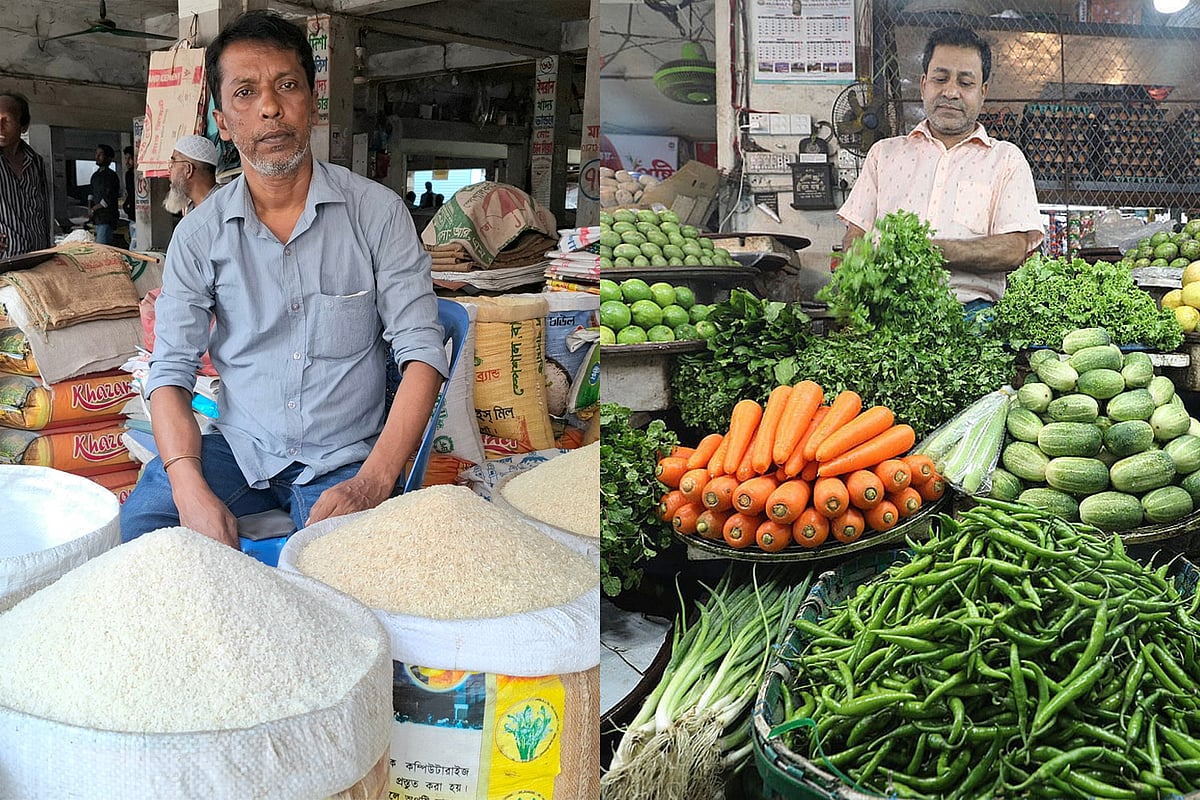

Imported Fruit Prices Out of Reach: Malta 420, Apples 450 Taka per Kg
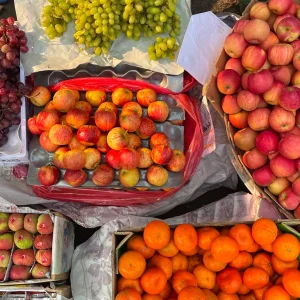
The prices of imported malta and apples have gone beyond the reach of ordinary buyers. At the fruit markets of Mirpur in the capital, malta is being sold at 400 to 420 taka per kg and green apples at 400 to 450 taka. The price of red apples is also 380 to 450 taka per kg. The prices of oranges, grapes and pomegranates are also high.
This picture was seen last Saturday (17 October) touring the fruit markets of Mirpur 1, 2 and 10 in the capital. Depending on quality and size, malta is being sold at 400 to 420 taka per kg, green apples at 400 to 450 taka and red apples at 380 to 450 taka in the markets.
In addition, oranges are being sold at 450 taka per kg, green grapes at 500 to 520 taka, red grapes at 460 to 480 taka, pears at 350 to 360 taka and pomegranates at 500 to 650 taka. That is, almost all imported fruits are now beyond the purchasing power of ordinary people.
Compared to imported fruit, the price of local malta is much lower. Local malta is being sold at 120 taka per kg and dragon fruit at 200 to 250 taka. The price of dates also ranges from 250 taka to 1,600 taka per kg depending on the variety. Among them, Bangla dates are being sold at 250 taka and Medjool dates at 1,600 taka per kg.
Calculating the size of the fruits sold in the market and the price per kg, it is seen that five imported maltas make one kg. On that basis, each one costs 70 to 84 taka. As four to six local maltas make a kg, each costs 20 to 30 taka. One kg of green apples contains about nine apples, each costing about 44 to 50 taka. As eight to nine red apples make a kg, each costs 42 to 56 taka.
Seven to eight oranges make a kg, each costing 56 to 64 taka. A kg of pears contains three to four, costing 88 to 120 taka each. And if four pomegranates make a kg, each costs 125 to 162 taka. This calculation itself shows that even to buy fruits one by one, buyers have to count out a hefty sum.
Sellers say the price depends on the size of the fruit, its quality and the risk of spoilage. Ansar Ali, a fruit seller at Mirpur 1, said the price of pomegranates mainly depends on size. It is imported from India, and the import duty is also high. He said most sellers like him collect all kinds of fruit from Badamtoli.
Abdus Salam, a fruit seller at Mirpur 10, said prices vary according to the size and quality of the fruit. Sometimes prices go up even when there is more spoiled fruit in the crate. Because sellers have to pay for the spoiled fruit as well. To make up for that loss, good fruit has to be sold at an increased price. Spoiled fruit, after all, cannot be given to buyers.
Discontent over prices was seen among buyers who came to the fruit market. Buyer Mohsin Reza said, ‘The prices of all fruits are very high. Which fruit shall we eat?’ He also said fever and colds are rampant all around now; when one goes to a doctor, one is told to eat fruits rich in vitamin C, but at these prices buying them is becoming difficult. Buyers complain that because of the high prices, buying nutritious fruit is becoming difficult.
The government’s position on these high fruit prices also came up in discussion. On 8 October, at a views-exchange meeting organised by the Chittagong Chamber of Commerce and Industry (CCCI) in the conference hall of the World Trade Center in Chattogram, Commerce Minister Khandaker Abdul Muktadir spoke about fruit prices. He said it is not acceptable for malta to be sold at 400 to 500 taka even after paying the duty.
The minister said creating an artificial crisis or attempts to extract excessive profit centred on Ramadan or any other occasion will not be tolerated, and monitoring will continue all year round. He also said this duty had been fixed based on the dollar market. Work is under way to reduce the actual duty rate on fruit from 121 percent and bring it within people’s purchasing power. The government wants to encourage people to buy more fruit for public health. The commerce minister also said at the time that a letter had been sent to the National Board of Revenue (NBR) about reducing the duty on dates.
Buyers and sellers are now looking to see how much relief comes to the prices of imported fruit if the duty-reduction initiative is implemented.