Above a Sea of Clouds: Vietnam's Ta Xua Beats Thailand and Japan to Become Asia's Leading Emerging Destination
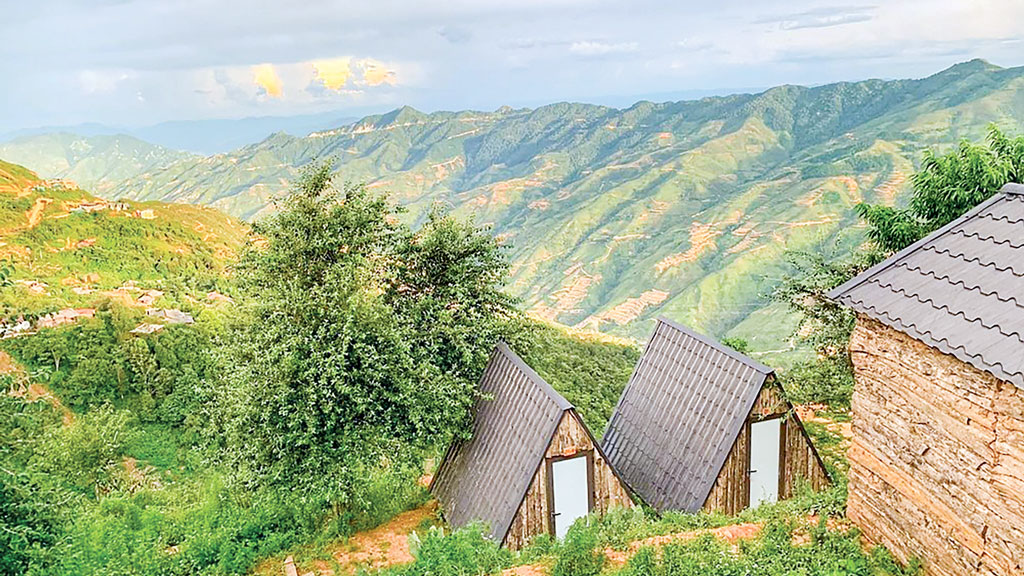
Walking a winding mountain path nearly two thousand metres above sea level, through a blanket of mist, feels less like earth and more like another world. Just below your feet, thick white clouds drift like cotton, while green peaks rise from them like small islands. The place is Ta Xua, a quiet mountain area in Son La province in northern Vietnam. Long somewhat hidden from view, it has always been a thrilling name among travel lovers.
At the World Travel Awards 2026 held in the Maldives, Ta Xua left behind popular tourism destinations such as Thailand and Japan. It won the title of Asia's leading emerging tourist destination. After this international recognition, the name of this remote mountain settlement is now being discussed by travellers around the world.
Reaching this remote area, about 240 kilometres from Vietnam's capital Hanoi, takes considerable time. But once travellers cross the serpentine mountain roads and arrive in Ta Xua, all the fatigue of the journey disappears in a moment. Many feel the view that greets them is the greatest reward of the trip.
From January to March, Ta Xua offers its most beautiful soft clouds. As dawn breaks and sunlight falls on the sea of clouds, creating a magical scene, tourists travel from far away for 'cloud hunting'. Those few morning hours are Ta Xua's most famous time of day.
It is not only the clouds; every bend of Ta Xua hides a wonder of nature. For adventure lovers, the most attractive is the 'Dinosaur's Backbone'. Walking the narrow, winding and steep ridge that resembles a dinosaur's back, with valleys hundreds of metres deep below, gives thrill-seekers goosebumps. This narrow path is now one of Ta Xua's most talked-about trekking experiences.
Those who love sunsets should head to Windy Peak, or Dinh Gio, three kilometres away. Standing on the summit, they can watch the clouds change shape in the red light of late afternoon in complete tranquillity. Morning cloud hunting and the evening sunset together complete a day in Ta Xua.
A little higher stands the 'Turtle Head Rock' at 2,120 metres, a strange rock formation shaped like a turtle's head. From there, a panoramic view of the entire mountain valley unfolds. Range after range of hills and layers of drifting cloud between them are the true identity of Ta Xua's heights.
Nature lovers will be filled by Ta Xua's ancient forest, spread over about 17,650 hectares. This vast unspoiled woodland is the foundation of the region's biodiversity, and for tourists it is a chance to get as close to nature as possible.
Ta Xua's bond between nature and culture is also remarkable. On the mountain slopes stand centuries-old Shan Tuyet tea trees, and the area is home to the Hmong people. The traditional weaving of Hmong artisans in blue clothing, their wax-pattern work on cloth and their simple daily lives bring a touch of the ancient and traditional to the region.
Ta Xua is completely different from commercial destinations such as Hoi An or Ha Long Bay. Its real attraction is its unadorned face: winding mountain roads, floating mist and a sea of clouds lost among the peaks. The experience of touching the clouds in a quiet place far from the city's noise is what draws visitors.
Timing matters for a Ta Xua trip, however. From April to September the region faces heavy rainfall and the risk of mountain torrents. The period from September to March is suitable and safe for trekking there. Planning around the cloud season and safe weather together makes a Ta Xua journey most enjoyable.
After the title of Asia's leading emerging destination, tourist numbers in Ta Xua are expected to grow further. This once-hidden mountain settlement has now earned its place on the world tourism map, and many more travellers will journey far to see that dawn view over the sea of clouds.