Trump Envoy Witkoff Calls Putin a “Humanitarian”, Drawing Criticism From Both Parties
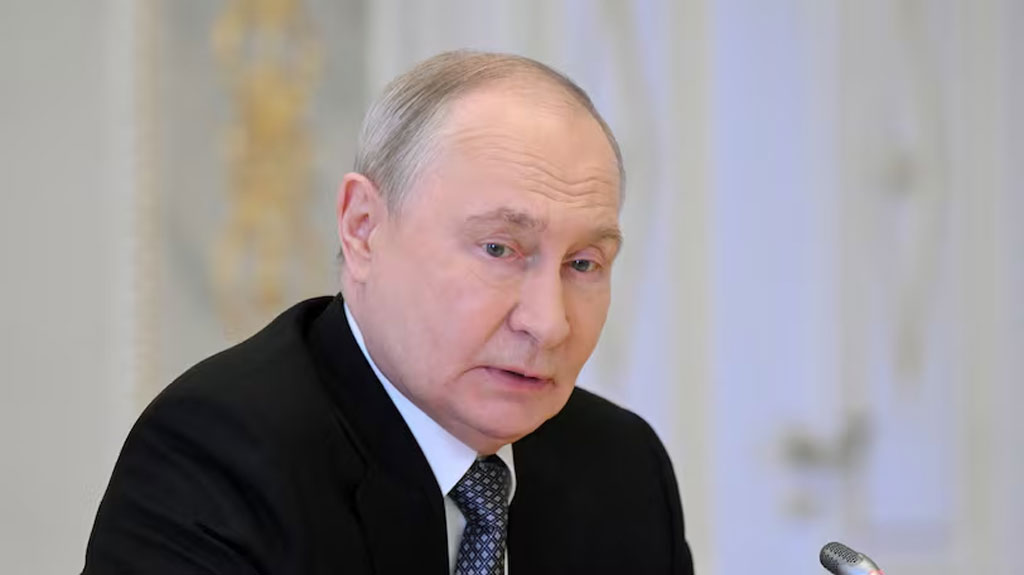
US President Donald Trump’s special envoy Steve Witkoff has described Russian President Vladimir Putin as a “humanitarian”, a remark that has drawn criticism from politicians in both of America’s main political parties against the backdrop of Russia’s invasion of Ukraine.
After Russia’s invasion of Ukraine in 2022, then US President Joe Biden had called Putin “brutal”, a “murderous dictator” and a “thug”. Four years later, Trump’s envoy struck a strikingly different tone.
Witkoff made the remark on Wednesday (21 October) during a meeting with Putin at the historic Constantine Palace in St Petersburg, Russia. Before the meeting, Russia had released Stephen Hubbard, a 74-year-old American citizen detained since 2022.
Addressing Putin at the meeting, Witkoff said: “You often call my President Donald Trump a humanitarian. You are also a humanitarian, sir. I salute you, I praise you and I thank you again.”
The comment drew criticism even from his own Republican Party. Republican Senator John Cornyn wrote on social media platform X: “No. Putin is a brutal murderer.” Another Republican senator, Thom Tillis, called Witkoff’s statement extremely embarrassing and objectionable.
Analysts, however, see the Trump administration’s stance as part of a continuing effort to improve relations with Russia, with several signs of closer ties between Washington and Moscow in recent weeks.
On 9 October, Trump announced a deal to supply Russian diesel to the United States and international markets. Alongside lowering fuel prices, the report said he also aims to address economic pressure ahead of the 3 November midterm elections.
On 16 October, Trump eased some of the sanctions imposed on Russia. Critics say the step conflicts with long-standing US policy toward Russia.
The easing of sanctions could bring Moscow an additional 300 million to 700 million dollars in revenue, a large part of which critics fear could be spent on the war against Ukraine.
Trump’s favourable attitude toward Russia has been debated since he first ran for president in 2016. He recently said Russia is not doing much on the Ukraine issue. Yet Ukrainian authorities say six people, including two children, were killed in a Russian drone attack on the same day.
Meanwhile, Trump’s criticism of Ukrainian President Volodymyr Zelensky has grown. He argues a settlement to stop the war is needed now. On Tuesday, Trump said: “It is time to make a deal. We have given Ukraine a lot, but we have got absolutely nothing in return.”
Critics disagree with that claim. In their view, by aiding Ukraine the United States has gained important experience about Russian military capabilities. The Pentagon’s understanding of drone warfare, electronic systems, missile defence and the effectiveness of modern weapons has become clearer, and the aid has also supported jobs and weapons production capacity in the US defence industry.
Whether the closeness between Trump and Putin can ultimately deliver an acceptable deal to end the war remains uncertain. But Trump’s trust in Putin’s promises and his stance on Ukraine’s future have created fresh debate in US domestic politics as well.