A Fermented Tradition of Fish and Taro: How Shidol Is Made, Month After Month Inside a Clay Pot
When shidol is cooked in one house, the neighbours know about it. Some wrinkle their noses at its fierce smell, while others sit down to eat the moment the aroma reaches them. This fermented food made of fish and taro smells as strong as the story behind it is long — and the process of making it is just as fascinating.
Shidol is a kind of fermented food prepared from fish and taro. It is most common in Bangladesh's Sylhet region. Some communities in the Chittagong Hill Tracts also have a tradition of fermenting fish, and shidol is popular in Rangpur, Dinajpur, Kurigram and Gaibandha as well. Its name, ingredients and method vary from region to region.
In the traditional method, small fish are dried, mixed with taro and packed into an earthen pot. Then the waiting begins — over weeks to months, fermentation slowly transforms the mixture's taste, smell and texture.
But why did people go to so much trouble to preserve fish? The answer lies in the past. In the monsoon, haors and wetlands filled with water and nets came up full of small fish. There were no refrigerators in homes then; so much fish could not be eaten at once, and throwing it away meant wasting precious food. So people devised many ways to keep fish for a long time — drying it in the sun into shutki was one, and fermenting fish developed in different regions too. Shidol is part of that long tradition of food preservation.
Small fish are generally used for shidol; puti is one of its familiar ingredients. Taro is the other essential — some use the corm, others take the stolons or stems. Ingredients differ by region and family custom. The amount of salt matters too, because salt shapes the taste and also helps control the growth of microbes.
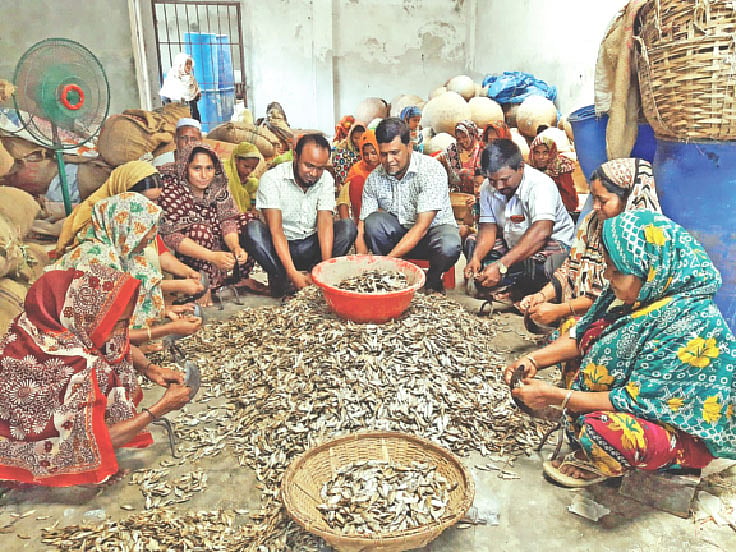
It starts with preparing the fish. The fish must be cleaned thoroughly so that no mud, dirt or other unwanted matter clings to it. The fish is then dried in the sun — usually spread on a bamboo mat or a raised platform so air can circulate and the fish dries evenly. The fish has to be turned as needed so both sides get the sun.
Drying time varies with the weather and the size of the fish. Rain or excess humidity prevents proper drying and raises the risk of rot and fungus, so cleanliness and weather both demand special attention during this stage.
Next comes the taro. It is cleaned and, in some methods, boiled; in others it is prepared differently. It is then mashed into a soft mixture. This mixture helps bind the powdered dried fish together, and the taro's own components may also play a role in the taste and smell that develop during fermentation.
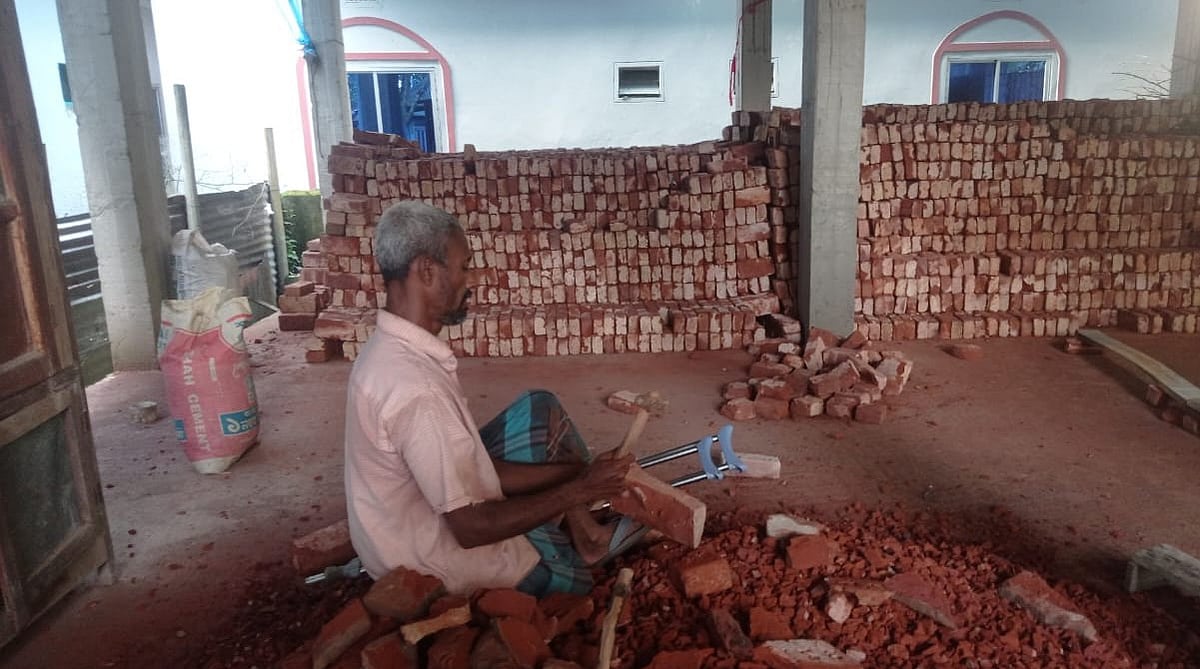
Then the dried fish is ground. In the old days this was done in a mortar or on a dheki — the elders of the family would pound the fish while the children sat beside them watching the familiar food being made. Once ground, the fish is mixed with the taro and salt and kneaded well by hand so everything blends evenly. If the mixture is too dry it can crumble; too much moisture raises the risk of spoiling — so the proportions and moisture control are crucial.
Now the mixture goes into the earthen pot. The pot is cleaned and dried thoroughly, then the mixture is packed in little by little and pressed down so no unnecessary air pockets remain inside. How the mouth of the pot is sealed varies by area — some use banana leaves or clean cloth, others smear it with mud. The aim is to protect the food from dirt, insects and contamination. But safety does not depend on sealing alone: the right ingredients, the amount of salt, moisture, temperature and cleanliness all matter.
Once the pot is filled and sealed, the waiting begins. During fermentation, microorganisms work on the components of the fish and taro, creating new chemical compounds that change the food's taste and smell — that chemical change is also behind shidol's intense odour. Fermentation plays an important role in yoghurt, cheese and many pickles too, but not all fermentation is the same. With fish-based foods, following a safe method is especially important, because uncontrolled fermentation can also breed harmful microbes.
Once ready, shidol is cooked into various dishes, of which shidol bharta is the best known. It is usually cooked with onion, garlic and green chillies and mashed. Shidol is also cooked with taro stolons or other vegetables. Even a small amount adds a powerful taste and aroma, and shidol bharta with hot rice is a favourite meal for many.
People's reactions to shidol's smell are part of its charm. For those who grew up eating it, the smell is familiar and appetising; for someone encountering it for the first time, it can be unsettling. Liking a food's smell is closely tied to habit and culture — the world has many foods whose smell seems intense to some and delicious to others. Shidol is one of them, its taste and aroma woven deeply into the food culture of the Sylhet region.