India's New Mineral Law Puts Centre and States on Collision Course, Several States Prepare Court Challenge
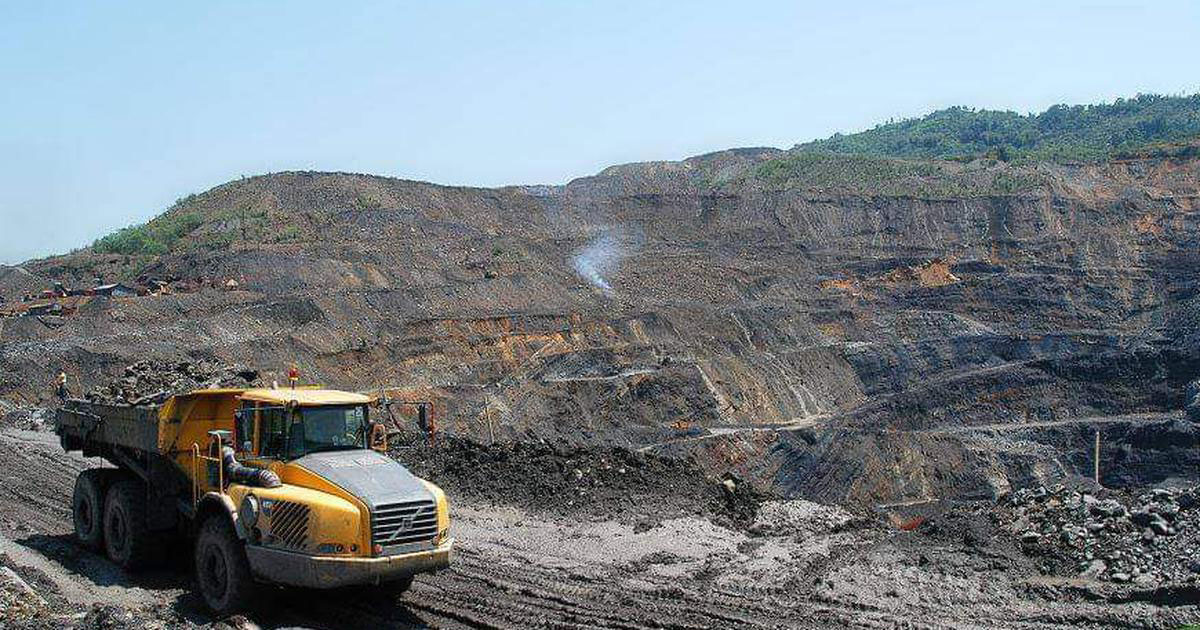
A fresh dispute has erupted in India between the central government and state governments over who has the power to tax mines and mineral resources. The Mines and Minerals (Development and Regulation) Amendment Act 2026, passed by Parliament, has increased central control over mineral-bearing land and limited the states' power to levy taxes, critics say.
The amended law says no new tax can be imposed on mineral rights and mineral-bearing land except under conditions set by the central government. It also cancels tax claims that states had imposed before the law took effect but had not fully collected. Those two provisions sit at the centre of the controversy.
Under India's constitution, power over mines and minerals is shared between the centre and the states. The state list gives states control over mines, but that power is subject to central laws made by Parliament under the union list. The constitution also gives states the power to tax mineral rights and land.
In 2024 the Supreme Court set out a constitutional position on the issue. The court said Parliament could impose restrictions in the public interest, but states retained the power to tax mineral rights, and central power could not be used to curtail states' power to tax mineral-bearing land. Critics say the new law conflicts with that position.
The central government argues differently. It says varied and multiple state taxes on minerals raise the price of domestic minerals, pushing industry towards imports instead of local production and putting extra pressure on the exchequer.
For states, the question is directly about revenue. In Jharkhand and Odisha, mineral income accounts for about 80 percent of non-tax revenue. In Karnataka, Madhya Pradesh and Rajasthan the shares are about 48, 41 and 39 percent respectively. Limiting the power to impose or retain such taxes could therefore hit those states hard.
In Telangana and Chhattisgarh the mineral share is comparatively low, at about 11 and 6 percent respectively. Yet revenue figures alone do not explain state reactions, and political positioning is also playing a major role, the analysis notes.
In Odisha there is no consensus between the government and the opposition. The opposition Biju Janata Dal has strongly criticised the law and demanded a special assembly session. The BJP-led state government rejected that demand, saying the amended law will not harm Odisha's mineral revenue.
Telangana, where minerals account for only 11 percent of such revenue, has meanwhile moved to challenge the law in the Supreme Court. Karnataka, Himachal Pradesh and Kerala are planning the same route. Their argument is that limiting states' tax powers will weaken both their financial capacity and the federal structure.
Kerala has raised an additional objection, saying bringing mineral-bearing land under the law expands central power further, with possible effects on coastal areas and forests. Jharkhand Chief Minister Hemant Soren has warned that losing mineral tax revenue could harm social protection schemes benefiting millions of people.
States such as Madhya Pradesh, Rajasthan and Chhattisgarh have not yet shown the same move towards the Supreme Court. That suggests revenue risk alone does not produce identical protests everywhere; each state government's political relationship with the centre is also shaping the dispute.
Tension between central authority and state autonomy is longstanding in India's federal system, surfacing earlier over GST compensation, national education policy and the citizenship amendment law. The new mineral law has added another major field of conflict, and its next chapter now appears headed for a Supreme Court challenge.