Protests Sweep France Again: Nearly 1,000 Arrested, 70,000 Police Deployed
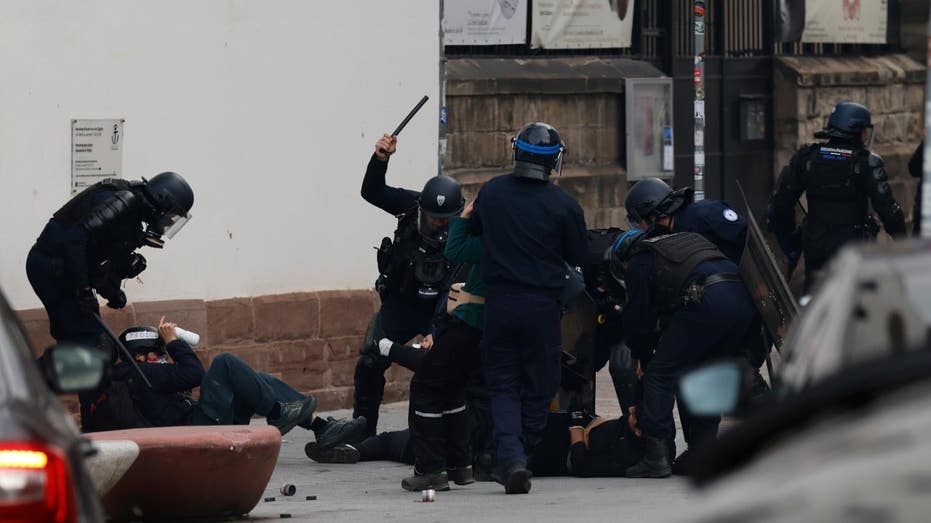
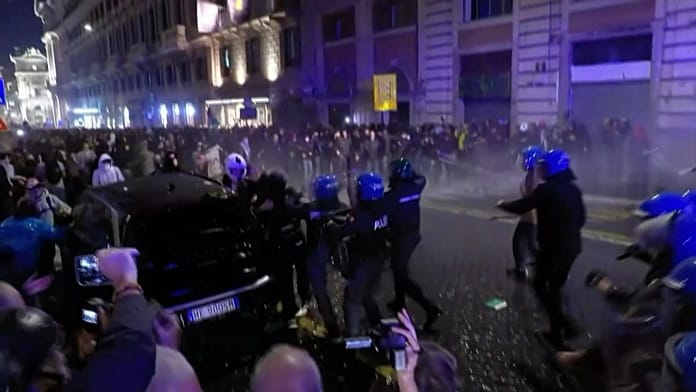
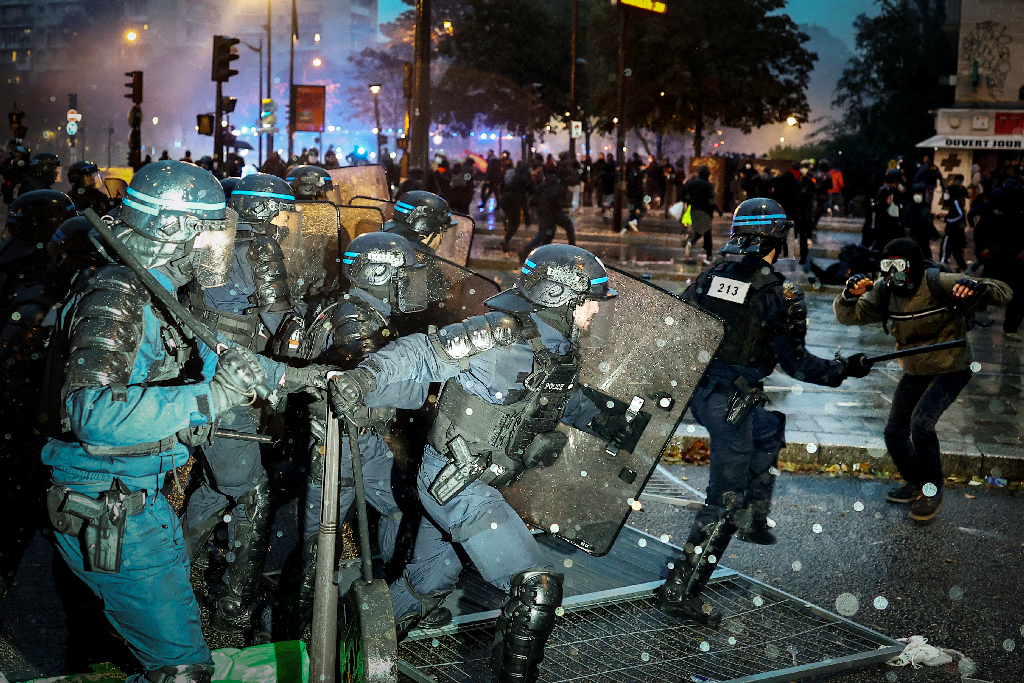
Nationwide protests in France have again taken a large shape. Nearly 1,000 people were arrested as the protests resumed on Saturday, the country's Interior Minister Laurent Nuñez told reporters. Around 70,000 police officers have been deployed across the country to handle the situation.
Earlier in the day, police officers preemptively searched protesters, and arrested people suspected of carrying potential weapons, including fireworks and ball bearings. The interior minister did not specify where the arrests were made.
In the capital Paris, police estimated that about 110,000 people took part in the march. Officers there conducted more than 3,000 checks and arrested 65 people. Police in Paris were also seen firing water cannons at protesters following a march.
There is a wide gap, however, in the figures for nationwide participation. The French Interior Ministry put participation across the country at about 410,000, while union organizers estimated attendance at 800,000. For Paris too, against the police estimate of 110,000, organizers claimed 250,000.
Central Paris resembled a city under lockdown. Shopkeepers boarded up storefronts, museums closed, and more than 20 metro stations suspended service.
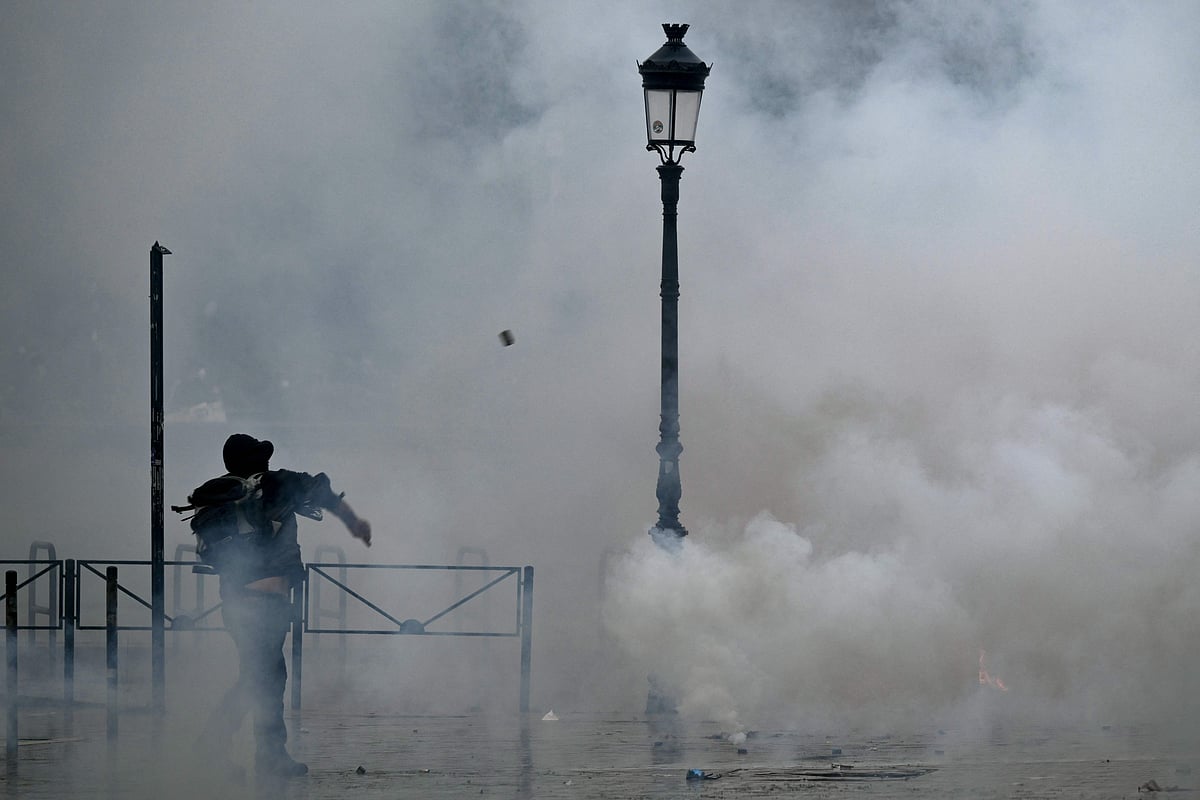
Tension spread beyond Paris as well. In Clermont-Ferrand, Grenoble, Lille and Nice, police fired tear gas to break up unruly crowds. In Nice, a water cannon was used to disperse a group of demonstrators who refused to pull back. In Marseille and Lyon, there were clashes between police officers and hooded youths.
'Violent individuals have no place in the marches,' the Paris Police Department said in a social media post. 'The objective is clear: to prevent troublemakers from joining the procession, and to ensure the safety of the demonstrators.'
Behind this huge police deployment lies the experience of last weekend. Last weekend, more than 2,700 people were arrested during protests that later turned into riots and looting sprees, when cars were torched and the city hall building in Limoges was set on fire. The strict preparations this time aim to prevent a repeat.
The protests began weeks earlier and were led by high school and university students. They were frustrated with teacher shortages and poor conditions at schools, including overcrowded classrooms and dilapidated buildings.
The movement gained momentum when major labor unions joined the demonstrations, broadening the protests to include opposition to the government's austerity policies and concerns over wages, pensions and the overall cost of living.
As a result, the current nationwide marches reflect broader dissatisfaction with the French government, with people from different walks of life taking to the streets with a range of different grievances.
From the arrest figures given by the interior minister and the picture on the ground, it is clear the movement shows no sign of stopping for now. Which way the situation goes will depend on the positions of the government and the protesters in the coming days.