Who Will Head the Caretaker Government? Committee Discusses Several Alternative Proposals
Several alternative proposals have come up in the discussions of the special committee on constitutional amendment for deciding who will head the caretaker government during the next election. The proposals include giving the responsibility to the vice president of parliament's upper house, to a speaker elected with the agreement of the government and the opposition, or to another person nominated by mutual consent of both sides. None of the proposals has been finalized yet.
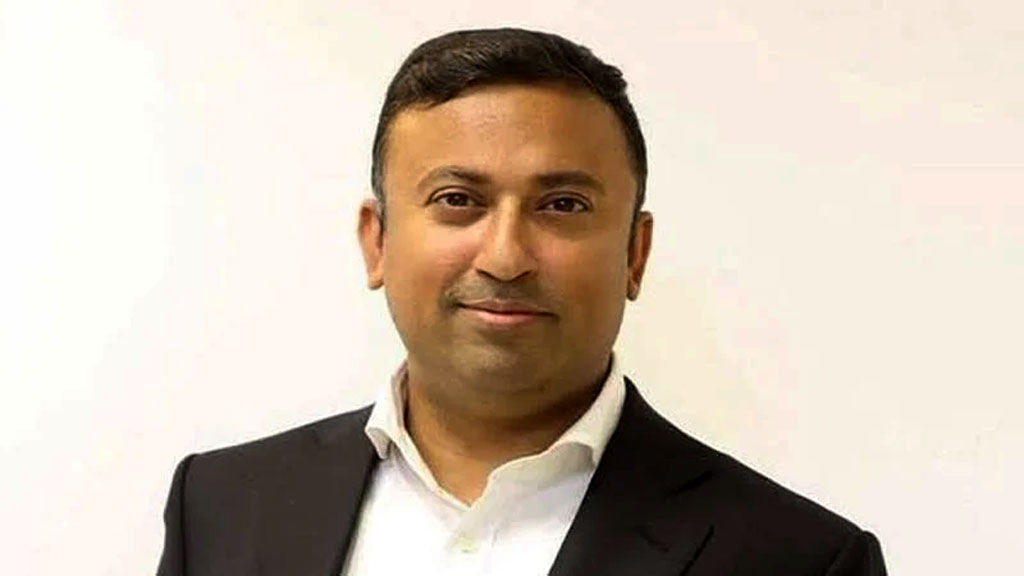
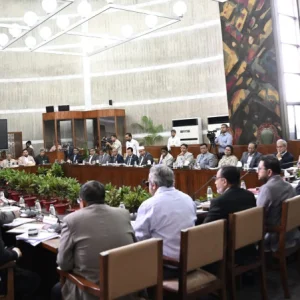
Committee chair and Home Minister Salahuddin Ahmed gave this information at a briefing at the Media Centre after the ninth meeting of the special committee on constitutional amendment at the National Parliament building on Saturday (October 24).
He said the formation process, structure and scope of work of the caretaker government system were discussed in detail with experts. Some of them proposed considering whether, if the upper house is not dissolved at the same time as the lower house, a provision can be kept for forming the caretaker government through the upper house.
Several alternatives came up in discussion for serving as the head of the caretaker government. First, a proposal came to give the responsibility to the vice president of the upper house, if the upper house remains in place.
Second, some experts opined that a speaker elected with the consent of the government and the opposition could be given the responsibility. Besides, a proposal also came to keep a provision for appointing a person other than the speaker as the head or adviser of the caretaker government with the consent of both sides.
However, none of these proposals has so far been adopted as the committee's final decision. The home minister said the relevant persons have been requested to give written opinions. All proposals will be reviewed and placed in the report.
Alongside the alternatives for forming the caretaker government, the composition of parliament's upper house was also discussed. Some experts proposed increasing the number of members nominated by the president to the upper house from five. A proposal also came to set specific qualifications and standards for selecting members.
The idea of keeping a provision to nominate to the upper house persons who have contributed at the national level in fields such as industry, culture and science also came up in discussion. However, there are differing views on whether Bangladesh's state system needs an upper house at all.
Salahuddin Ahmed said about 60 people, including Supreme Court lawyers, law professors and eminent academics, were invited to the ninth meeting. Many of the participants gave written statements. The others will give written opinions within the next one week to 10 days.
Apart from the caretaker government system, experts also gave opinions on the basic structure of the constitution, independence of the judiciary, appointment of judges, establishment of a Supreme Court secretariat, and the balance of power between the president and the prime minister.
The caretaker government question has long been a debated issue in Bangladesh's electoral politics. It is in search of consensus on the structure of the election-time government that various alternatives keep coming up in this special committee's discussions.
The committee chair said a report will be prepared after reviewing all proposals on the process of forming the caretaker government. So for now, the names and alternatives under discussion remain only proposals; a final decision will have to wait.