Is Food Picked Up Within Five Seconds Safe? Science Says the Rule Has No Basis
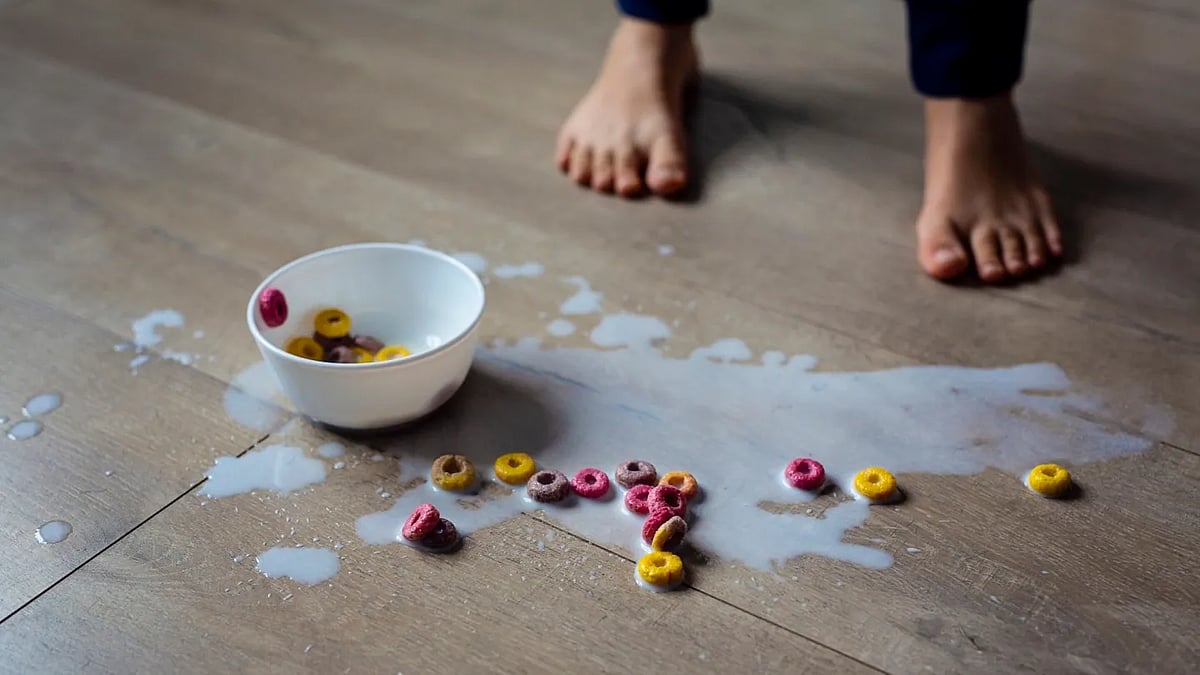
Before popping a favourite food that has slipped onto the floor back into the mouth within just five seconds, has anyone ever wondered what invisible killer may be lurking there? Research by scientists into the familiar childhood “five-second rule” has called that innocent belief into question.
The idea of the five-second rule is that if a tasty food slips onto the floor, picking it up before five seconds have passed makes it safe to eat. The reasoning behind it sounds amusing — as if the germs on the floor need a few seconds to understand the situation, and by snatching the food up in that gap they get no time to contaminate it.
But what does science actually say? Erin Then, Director of Operations at Gilson Sciences, a US laboratory-testing, environmental-monitoring and scientific-consulting firm, has stated plainly that the five-second rule has no scientific basis. Behind that one-word “no”, however, lie many small conditions and environmental differences.
According to Erin Then, how contaminated food becomes when it falls on the floor depends entirely on several factors. The most important among them are how wet or sticky the food is, and what kind of floor it is.
If a dry cracker biscuit and a piece of sticky jam-spread bread fall on the same floor, science says germs will attack the wet bread several times more than the dry biscuit. Wet or moist food works like a sponge, absorbing all the dirt and germs from the floor in an instant.
The type of floor is also very important. Surprising as it may sound, food falling on carpet picks up comparatively fewer germs than food falling on smooth tiles or a wooden floor. Germs get trapped among the carpet fibres, so their direct contact with the food is somewhat reduced.
Alongside this, other subtle factors are at play. Where the food fell matters equally — a clean home floor, or the floor of a roadside public toilet? The physical condition of the person eating it also matters. Germs that a healthy adult’s immune system can easily destroy may become a serious danger for a weak or already ill person.
The most alarming and surprising fact is that there is not much difference in cleanliness between a shiny home floor and the floor of a public space outside. People generally assume their own home floor is far cleaner than the street outside. Researchers say otherwise. When people go out, they bring back thousands of invisible germs on the soles of their shoes or on their socks. Wearing those same shoes or socks, they then walk from the kitchen to the bathroom and the drawing room. In this way germs from one place easily spread to another and contaminate the whole home.
What kinds of germs lurk on floors? Research has found large amounts of harmful skin-dwelling bacteria on home floors. Among them is Staphylococcus, which can cause serious skin infections. There is also Corynebacterium, which carries a risk of complex diseases such as diphtheria. Harmful gut bacteria such as Bacteroides also reach floors via shoes or bags. Added to these are Bacillus and various fungi or yeasts. If these enter the stomach, they can cause severe vomiting, diarrhoea and nausea.
Erin Then warned that the moment wet food touches the floor, it pulls in all the filth like a sponge. So in the end, one unwritten rule should be followed — no food that has fallen on the floor remains fit to eat.
All in all, eating food picked up from the floor in reliance on those five seconds is really a kind of gamble with one’s own body. Especially with wet or sticky food, staying away from it after it falls is safest. Far from five seconds, even picking it up in one second offers no way to escape germ attack.