More Than 6,000 Cases Stuck in Rangpur's Three Tribunals, With Trials Unfinished After Up to 18 Years
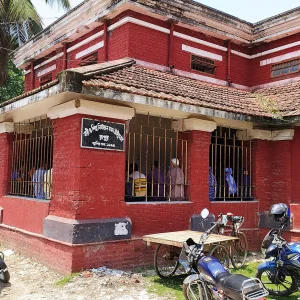
More than 6,000 cases remain unfinished before the three Women and Children Repression Prevention Tribunals in Rangpur. Litigants have been going to court for five to 18 years. More than 2,000 of the cases involve rape, and more than 300 cases filed over allegations including rape and dowry have been waiting 15 to 18 years for trial, according to court sources.
Human rights workers, legal experts and litigants blame the failure to finish trials even after so many years on the lack of proper enforcement of the law, police irresponsibility in producing witnesses in court, and negligence by those conducting cases for the prosecution.
Sharifa Yasmin, of Anandanagar village in Pirgachha upazila, broke down in tears in front of Tribunal-2. She alleges that her husband and his family drove her from the home because she could not pay two lakh taka in dowry. She has been going to court for six years since filing the dowry case, but the trial has still not begun, and she does not know when she will get justice.
Sharifa Yasmin said: 'Dates are set only every two months. Each time, for travelling to court, paying the lawyer and the clerk, and collecting the case papers, I have had to sell my cattle and goats, my ducks and chickens. But even though everything I had is gone, the trial itself never ends.'
Asma Begum of Pirgachha and Morium Begum of Rangpur Sadar made similar complaints. Many of them were victims of rape and other forms of repression of women and children, yet their cases have not been completed in six to 18 years. They have to sell whatever they have to come to court each time, pay the lawyer, clerk and peshkar, and return home. They do not know when the trials will end.
Asma Begum, an extremely poor woman from Mithapukur upazila, said her daughter was abducted and raped. A case was filed over the incident, but the trial has not begun.
Sohrab Hossain, of Vendabari village in Pirgachha, complained that a rape case filed against him has kept him going to court for 18 years. Sohrab earns his living pulling a rickshaw in Dhaka. Every two months he travels to Rangpur to appear in court and then returns to Dhaka. He said that if he fails to appear on a scheduled date, an arrest warrant is issued, so he is forced to leave his rickshaw work in Dhaka to attend court. He alleged that the process earns money for lawyers, clerks and court peshkars, while he himself gets no justice.
Human rights workers said incidents of repression of women and children in Rangpur have increased compared with before, and that children are not safe now either. They warned that if the law is not properly enforced and victims do not receive justice, offenders may become even more reckless.
Rumana Zaman, president of the Rangpur district Mahila Parishad, said: 'Although the Women and Children Repression Prevention Act sets a specific timeframe for disposing of cases, litigants have to keep going to court for months and years. More judges need to be appointed to dispose of the cases quickly.'
Women's leader Monowara Begum said that because women repression cases in Rangpur are not tried and offenders are not brought to punishment, incidents of repression of women, rape and dowry-related abuse keep happening. She said that, alongside increasing the number of judges, speedy trials must be ensured to get out of this situation.
Prosecution lawyers at the Women and Children Repression Prevention Tribunals acknowledged that cases are not being disposed of for long periods. According to them, everyone concerned, including the plaintiffs, must act responsibly for cases to be disposed of quickly. They said they are trying, but litigants are not getting the desired results.
Shafi Kamal, public prosecutor (PP) of Tribunal-1, said: 'About two thousand cases are awaiting trial in this court. Witnesses do not come to court on the scheduled dates. Often the plaintiffs do not appear regularly either. These are the reasons the backlog is growing. But we — the judges and the prosecution lawyers — are trying to give litigants justice.' Mokshedul Haque, PP of Tribunal-2, said they are trying to provide speedy service to litigants, but trials take time to finish for various reasons.
Legal experts said a separate cell needs to be formed for the speedy disposal of women and children repression cases in Rangpur. They also believe strict monitoring by the High Court is necessary to ensure the progress of the cases.