World Stroke Day today: nearly 2 million affected in Bangladesh, stroke a leading cause of death
Today, 29 October, is World Stroke Day. The day is observed every year to raise awareness about stroke. This year's theme is 'Every minute counts.' The day has been observed since the World Stroke Organization was founded in 2006.
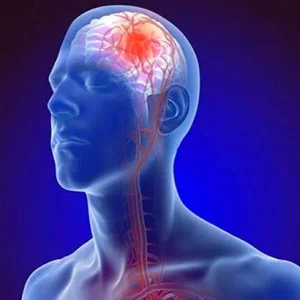
Stroke is a serious health condition in which blood supply to part of the brain is blocked, or a blood vessel bursts and causes bleeding. Without rapid treatment, it can lead to death or permanent disability.
Stroke is one of the leading causes of death in Bangladesh. According to health experts, around 2 million people in Bangladesh are currently living with stroke. Of them, about 500,000 are living with long-term disability, according to the sources cited.
According to the Bangladesh Bureau of Statistics (BBS) and a national survey from 2022, the prevalence of stroke in the country is 11.39 per 1,000 people. More than 75 percent of those affected suffer from ischemic stroke. By division, the rate is higher in Mymensingh, and prevalence is higher in rural areas than in cities, the survey noted.
The combined impact of heart disease and stroke makes the picture more worrying. In 2024, heart disease killed 283,800 people in the country, an average of about 777 people a day. According to the World Stroke Organization, most stroke risk factors can be prevented or controlled.
Concern is also growing over stroke and heart disease deaths among Bangladeshis working abroad. According to the Wage Earners' Welfare Board, the bodies of 4,060 migrant workers were brought back to the country from January to September this year — an average of more than 14 a day. A significant number of those bodies came from Saudi Arabia.
Questions have been raised in various quarters that a large share of migrant worker deaths are recorded in documents as 'natural death.' Reliable and detailed statistics are needed to confirm how many of those deaths were caused by heart disease or stroke, the report noted.
Doctors say working for long hours in excessive heat, uncontrolled high blood pressure, irregular eating habits, lack of adequate sleep, smoking and mental stress can increase the risk of heart disease and stroke. For migrant workers, long working hours, lack of rest and not having regular health check-ups need to be taken seriously, doctors said.
Dr Humayun Kabir Himu, assistant professor at the National Institute of Neurosciences, said there is no time to waste in the case of stroke. Often family members do not at first realise that the patient has had a stroke. Some wait at home or rely on traditional treatment, which can reduce the chance of effective treatment. That is why a patient must be taken to hospital as soon as stroke symptoms appear.
He said the main symptoms of stroke include the face drooping to one side, weakness in one arm or leg, and slurred speech. If these symptoms appear, the patient should be taken to the emergency department without delay. Medicine should not be taken without a doctor's advice. Timely and correct treatment can save lives and reduce the risk of permanent disability.
Experts say high blood pressure is one of the main risk factors for stroke. Regular blood pressure checks, taking medicine as advised by a doctor, quitting smoking, a healthy diet, regular exercise and adequate sleep can help reduce the risk of stroke.
When stroke symptoms appear, every minute counts. Recognising the symptoms, reaching hospital quickly and ensuring proper treatment can be the most important steps to save a life, experts say.