Misinterpretation of religion and patriarchy remain big challenges to women's empowerment: Zahir Uddin Swapan at IDG Carnival
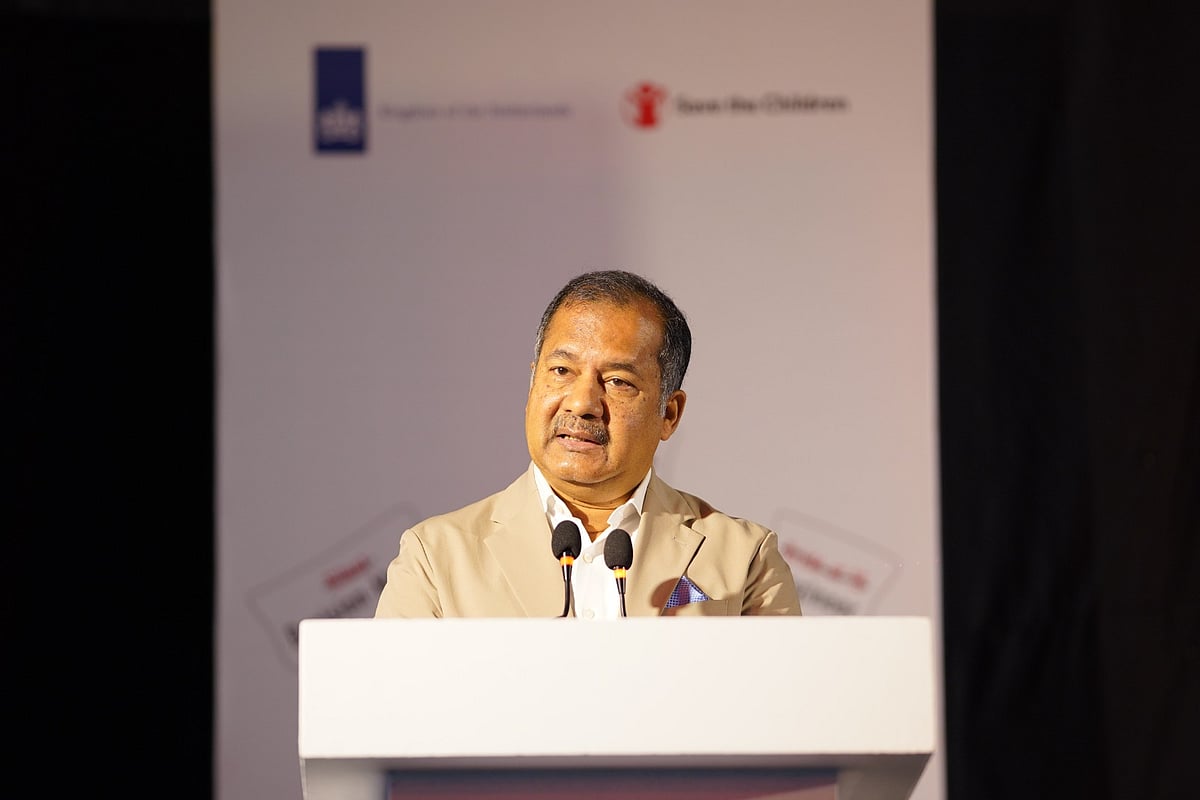
Misinterpretation of religion and patriarchal attitudes remain major challenges to women's empowerment and to establishing equality between women and men, the prime minister's political adviser and member of parliament Zahir Uddin Swapan has said. He made the remarks on Thursday as chief guest at the 'IDG Carnival 2026,' held at a hotel in the capital to mark International Day of the Girl Child.
Zahir Uddin Swapan said these challenges must be confronted to build a discrimination-free, inclusive and developed Bangladesh. Alongside removing existing disparities between women and men, he stressed that equal opportunities for women must be ensured in every field, including education, employment, leadership and decision-making.
The prime minister's adviser said the government is giving special importance to gender equality and women's empowerment in building the Bangladesh of the future. Development partner organisations also have an effective role to play alongside the government in achieving this goal, he said, adding that Save the Children's experience, cooperation and partnership can make an important contribution.
Save the Children in Bangladesh organised the carnival under the theme 'Rooted in strength, let every adolescent girl move forward.' The event focused on establishing the rights of girls and adolescent girls, developing their leadership, empowering them and ensuring their meaningful participation at every level of society.
The event was held under a Save the Children project funded by the Netherlands Embassy, in collaboration with the National Youth Network (NYN) and women-led organisations.
Members of parliament Helen Jarin Khan, Mahmuda Habiba and Mansura Akter attended as special guests. Ilija Azei, head of the adolescent and youth programme at the Bangladesh office of the United Nations Population Fund (UNFPA), was also present.
Speakers at the event emphasised removing the barriers girls and adolescent girls face in education, employment, leadership, entrepreneurial activities and participation in decision-making. In their view, building a safe, inclusive and supportive environment that gives priority to adolescent girls' opinions, experiences and needs requires coordinated efforts by families, society, the government, development partners and various institutions.
The event expressed the hope of building a more equal and inclusive society by creating equal opportunities for adolescent girls, giving weight to their voices and increasing their participation at the policy-making level.