Bangladesh Moves to Link Education, Climate and Disaster Data Systems to Identify At-Risk Schools
Bangladesh has moved to strengthen coordination among its climate, disaster and education information systems to protect the continuity of education against the effects of climate change. Under the initiative, schools' risks will be identified, disaster preparedness assessed, and data used more effectively to set investment priorities in the education sector. The Ministry of Education and the Ministry of Primary and Mass Education are working on this with UNESCO's support.
As part of the initiative, a three-day national workshop held in Dhaka ended on Thursday (October 29). At the workshop, held at a hotel in the capital, government officials, education planners and technical experts reviewed the gaps in the existing information systems.
The workshop discussed improving the data collection method of the Annual Primary School Statistics (APSS), establishing interconnection among different information systems, and strengthening data sharing among the relevant institutions.
The chief guest at the workshop was Delwara Begum, additional secretary (audit and law wing) of the Secondary and Higher Education Division of the Ministry of Education. She said that when a school closes because of a disaster or severe heatwave, the benefits of other investments in the education sector also diminish somewhat. Considering climate in education planning is therefore not an extra task, she said, but an important way to protect the overall investment.
Norihide Furukawa, head of the education unit at the UNESCO Dhaka office, said that collecting data alone is not enough to build a climate-resilient education system. Through coordination among existing data and filling important gaps, education authorities can be helped to make more effective decisions, which will play an important role in keeping schools safe and education continuous.
The workshop also discussed verifying the sources and collection methods of education, climate and disaster data, assessing data gaps and setting development priorities. The possibility of adding climate-related questions and indicators to the APSS in future was also reviewed.
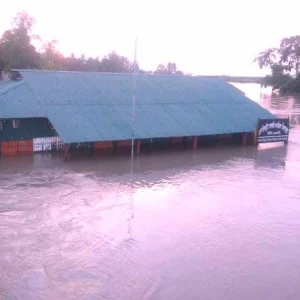
In different regions of Bangladesh, floods, cyclones and severe heatwaves damage school infrastructure and disrupt students' lessons. Because the relevant data is stored separately in different institutions, its combined use and the identification of at-risk schools become difficult.
According to the organisers, easy access to reliable and coordinated data will help identify schools at climate risk, set priorities for investment in safe infrastructure and strengthen disaster preparedness. The initiative can especially help maintain continuity of education for children in high-risk and disadvantaged areas.
The workshop was held under the Climate Smart Education Systems Initiative (CSESI). Earlier workshops in October 2025 and May 2026 reviewed climate risk, vulnerability and institutional capacity in Bangladesh's education system, while a workshop in September 2026 assessed the inclusion of climate education in the curriculum and teachers' preparedness on the subject.
CSESI is being implemented under the leadership of the Ministry of Education and the Ministry of Primary and Mass Education, with technical support from UNESCO and UNESCO's International Institute for Educational Planning (IIEP) and funding from the Global Partnership for Education (GPE). The initiative aims to include climate resilience and environmental sustainability in education sector policies, plans, budgets and strategies.