Pregnant Migrant Girls Still Sent to South Texas Despite Lack of Specialised Care, Investigation Finds from Records
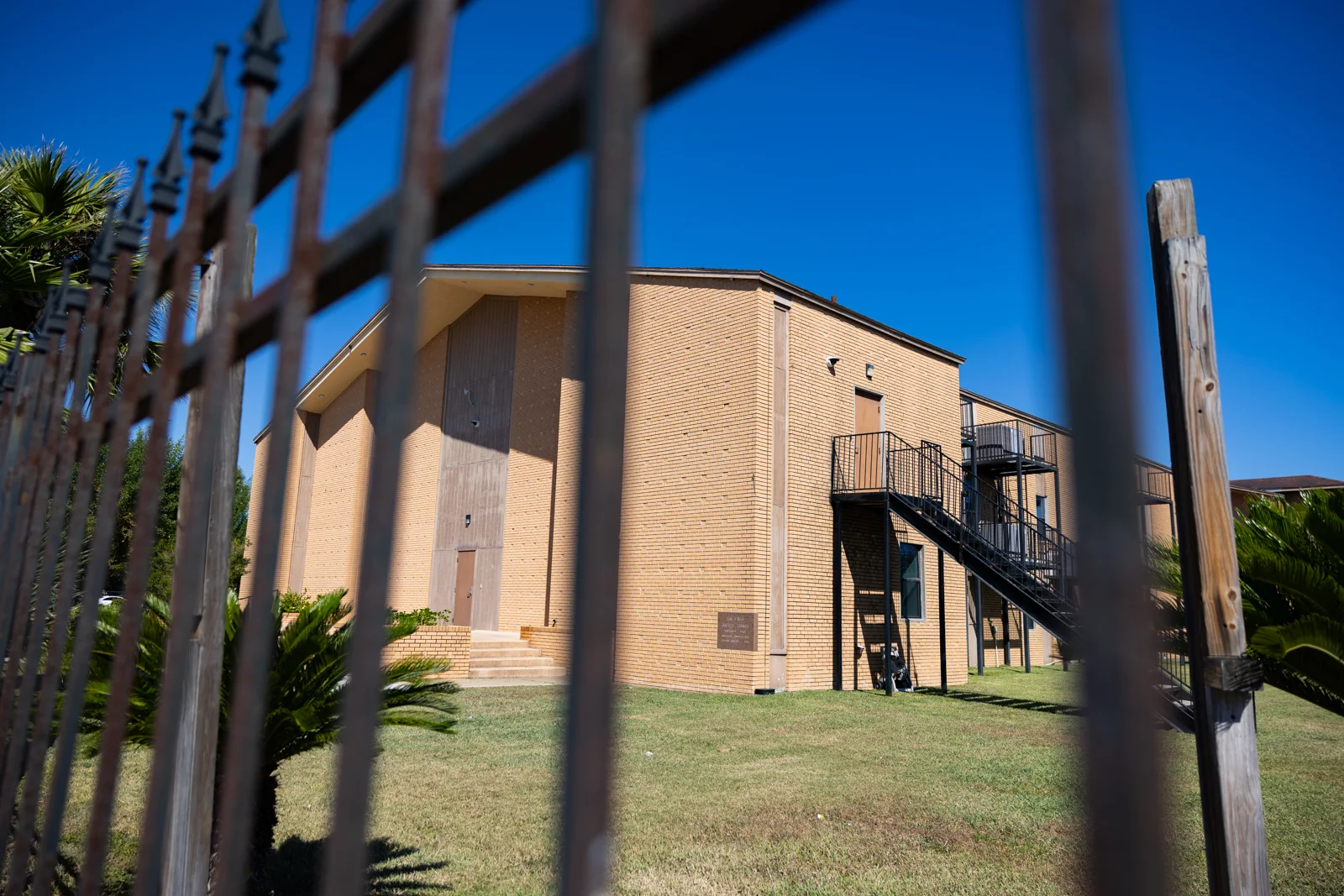
Pregnant migrant youth are still being detained in a region of south Texas where a lack of specialised obstetric care can be life threatening for them, an investigation by The Texas Newsroom and The California Newsroom has found. The practice continues despite concern from current and former government officials and from members of Congress.
Government records show that in the first ten months of the policy, four of the 21 pregnant girls placed in the region had to be transferred out of state to receive specialised medical care, including at least one abortion, that is unavailable in Texas.
The Office of Refugee Resettlement (ORR) is responsible for migrant youth apprehended without a parent or guardian. Jen Smyers, who during the Biden administration helped oversee ORR, said the first such transfer should have been a wake-up call for the administration and it should have stopped placing kids in any remote area where they cannot get care. She called the policy of sending all pregnant children to South Texas "enraging."
This spring, a joint investigation by the two newsrooms revealed the administration's policy of detaining pregnant unaccompanied minors as young as 13, at least half of whom were pregnant as a result of rape, at a single shelter in the city of San Benito near Texas' border with Mexico.
The administration has denied that there is such a policy and said it is ensuring the girls have access to the care they need. In an email in September, the Department of Health and Human Services, which oversees ORR, wrote that ORR's placement policies are based on child welfare best practices to provide a safe environment and the least restrictive setting appropriate to a child's needs, and that this is especially true for expectant minors.
Yet documents obtained through a public records request show ORR explicitly directed its staff in July 2025 to send all pregnant youth to the shelter in San Benito, just outside Brownsville at the extreme southern tip of Texas. Several months later, internal agency data showed pregnant girls started being sent to a different shelter nearby instead, according to three ORR officials who asked not to be named because they feared retaliation.
Forty-eight Democratic members of Congress demanded transparency about the policy in a letter to the Department of Health and Human Services in April. They received a response in September from Assistant Secretary Alex J. Adams, who wrote that ORR does not make placement decisions for pregnant youth based on a blanket rule and that it takes seriously its responsibility to protect the health, safety, dignity and well-being of every unaccompanied child in its custody. HHS did not respond to requests for comment about the discrepancy between Adams' letter and the government's own records.
U.S. Rep. Joaquin Castro, a Democrat from San Antonio, whose office authored the letter, said the administration is obviously not being honest about its policy. He said it was irresponsible to wait several months to respond to basic questions about the care of some of the most vulnerable people in the system.
Unaccompanied migrant children have historically been placed in shelters across the United States, but this summer the Trump administration began detaining far more of them in Texas. According to internal reports provided by two ORR officials, 95% of the roughly 300 children apprehended by immigration officials in September were placed in detention in Texas, up from 45% in June.
In detailed notes for one case, ORR staff wrote that a pregnant 12-year-old girl was transferred from the Rio Grande Valley to a shelter in New York on the recommendation of ORR's division of health. The records note the child needed access to specialists whose availability in South Texas is "extremely limited." In another case, staff wrote that a pregnant girl was transferred to California due to an unspecified "high risk medical need."
Marsha Griffin, a retired professor of pediatrics at the University of Texas Rio Grande Valley School of Medicine, said such outcomes were inevitable. She said the shelters have very few medical staff on hand and the region does not have enough specialised obstetricians, and that young girls who are pregnant, especially those aged 10 to 14, are automatically a high-risk population.
Internal communications obtained through a public records request show officials in ORR's own division of health warned the agency's leadership about the lack of pregnancy-related healthcare in the Rio Grande Valley. On July 18, 2025, Joanna Gaines, then ORR's acting health director, wrote to Melissa Johnston, the agency's head of operations, that Texas has one of the worst rates of maternal mortality in the U.S., that it lacks access to quality perinatal healthcare, and that Cameron County has one of the higher rates of infant mortality in Texas.
Four days later, ORR issued a directive to begin placing "any pregnant children" at the Urban Strategies San Benito shelter in Cameron County. U.S. Rep. Judy Chu, a Democrat from Southern California, asked why, if the government had to transport these pregnant children across the country to get the care they need, it deliberately sent them to Texas in the first place.