What happens when an antibiotic course is stopped halfway: from superbugs to failed treatment
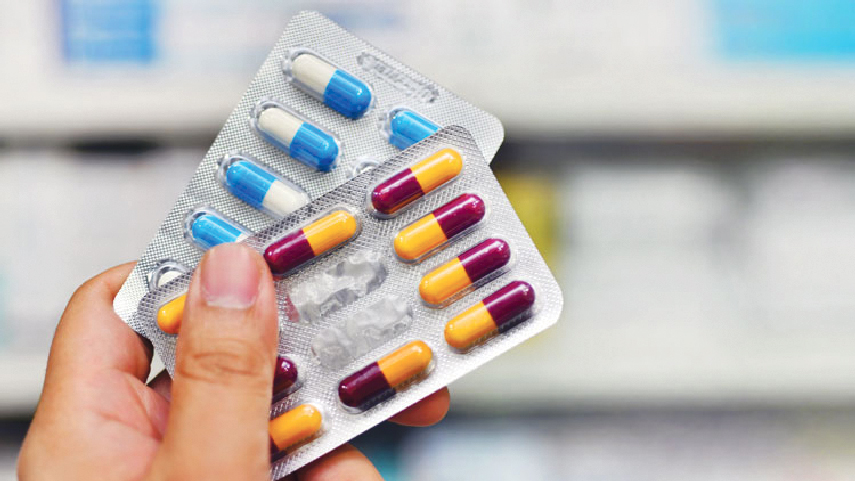
The harm from not completing an antibiotic course is far-reaching and serious. The courses doctors usually prescribe — for 5, 7 or 10 days — have specific scientific reasons behind them.
After two to three days of medicine, when fever, cold or infection symptoms ease, many patients think they have fully recovered. They then stop taking the remaining medicine. The report identifies this as the biggest mistake.
While the first impact of the medicine kills the weaker germs in the body, some stronger and more tolerant bacteria survive. If the dose is not completed, those surviving germs acquire the ability to fight the medicine.
The surviving bacteria multiply through rapid mutation, becoming what medical science calls superbugs, or unstoppable germs. If the same disease or infection returns later, that particular antibiotic no longer works in the patient's body.
Because of incomplete first-round treatment, the disease returns in a second round with twice the strength. Ordinary antibiotics then fail, so doctors must use extremely powerful, expensive reserve-category and third- or fourth-generation antibiotics with many side effects. The report says that even those sometimes fail, pushing the patient towards death.
The current situation of antibiotic resistance, or AMR, in Bangladesh is described as extremely worrying. According to recent data from icddr,b and the Institute of Epidemiology, Disease Control and Research, a large share of patients at hospitals and intensive care units in the country are found to have multidrug-resistant bacterial infections.
Research data say about 41 percent of patients treated in ICUs show pan-drug resistance, and overall about 46 to 89 percent of cases show multidrug resistance in various bacteria. Pan-drug resistance is described as a state that does not die with any medicine.
The data also note that many first- and second-line antibiotics used to treat ordinary typhoid, urinary tract infections and pneumonia are now losing effectiveness.
The report says the unchecked culture of selling medicine without prescriptions is accelerating this crisis. As the first way out, it stresses completing 100 percent of the dose: even if symptoms fully clear, the course must be completed for the prescribed days and dose on a doctor's advice, and medicine must not be stopped midway on one's own judgement.
Other steps include ensuring strict legal monitoring and punishment for selling antibiotics from pharmacies without a valid doctor's prescription, and ensuring rational use. Antibiotics do not work in ordinary viral infections or colds and coughs, so people are advised to refrain from taking them for such illnesses.
Controls in animal treatment are also urged: the uncontrolled use of antibiotics in cattle and poultry feed must be stopped, as it creates resistance in the human body through the food chain.
In the report's words, an antibiotic is not just the name of a personal medicine; it is a shared resource that keeps humanity alive. If people are not conscious now to stop misuse of this resource, even a minor cut could in future become a cause of death.