Nest of England's rarest ant stolen from the species' last remaining site
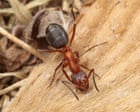
A nest of one of England's rarest ant species has been stolen from a nature reserve. The nest could contain up to 5,000 ants, the conservation charity Devon Wildlife Trust (DWT) has said.
DWT said a nest of narrow-headed ants had been dug up and taken from Chudleigh Knighton Heath nature reserve in south Devon. The reserve is the last place in England where the species still exists.
A single nest can hold a colony of between 1,000 and 5,000 ants, along with one or more breeding queens, which can live for up to 25 years.
DWT said the theft was discovered by conservation researchers carrying out regular checks in mid-October. They found a hole where a known nest had been and clear signs of digging with a spade.
Narrow-headed ants, named after the distinctive pinched look of their heads, were once widespread across southern England's heathlands. Their numbers have shrunk over the last 100 years because of habitat loss caused by agricultural change and building developments. They are now classified as nationally rare and as near threatened on the International Union for Conservation of Nature's red list.
Stephen Hussey, from DWT, said whoever stole the nest knew what they were looking for and would have needed prior knowledge of ant colonies to locate it. 'We keep a close eye on them, so we know exactly where the nests are, but it's not obvious to someone who doesn't know about ants,' he said.
Hussey said it was difficult to speculate on the motive, but it could have been an attempt to rewild nature by placing the ants back in their former habitats, or the ants could have been taken by an insect collector. 'It's still a reckless act because you need a degree of expertise to move ants and prepare new homes for them,' he said.
Julia Balfour, species recovery officer for narrow-headed ants at DWT, said the removal was a significant loss for the species. 'Narrow-headed ant colonies develop slowly, and each mature nest, with its long-lived queens, represents many years of growth that cannot quickly be replaced,' she said. She described the theft as a crime every bit as serious as illegal raids on wild bird eggs.
The theft has been reported to Devon and Cornwall police. It is against the law to deliberately disturb or remove material from a nature reserve. DWT said it was reviewing the security of its reserve and would continue regular ant checks.
PC Lucy Wyatt, of the rural affairs team at Devon and Cornwall police, said sites of special scientific interest are legally protected and it is a criminal offence for any person to intentionally or recklessly damage, destroy or disturb the protected area. Police are asking the public to report any information about the theft via the Devon and Cornwall police website.