Democrats take control of both houses of Congress in midterms, with 54 Senate seats and 228 in the House

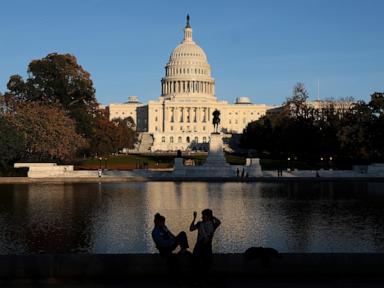
Democrats have won control of both houses of Congress in the US midterm elections, in a major setback for President Donald Trump's Republican Party. Voters rejected Trump's agenda in a "blue wave". Tuesday evening has been described as an extinction-level event for the Republican Party, a worst-case scenario that even the starkest polls might have underestimated.
Democrats flipped seven Senate seats, in Kansas, Iowa, Texas, Maine, Ohio, North Carolina and South Carolina. They defended a crucial Senate seat in Michigan and won the likely pickups in Maine and North Carolina, then flipped five more seats in states normally considered unquestionably red: Ohio, Iowa, Kansas, South Carolina and, the biggest prize of all, Texas.
As of Wednesday morning, Democrats have secured 54 seats in the Senate. A closely watched race in Alaska is yet to be called. The Senate contest in ruby-red Mississippi is down to the wire, with Democrat Scott Colom leading by just a few dozen votes as the final ballots roll in.
The Democrats have already secured 228 seats in the House, ten more than needed for a majority, and could realistically run up the score to 240 seats or more. They have also flipped governor's offices in Texas, Georgia, Iowa, Ohio and Nevada.
Republicans are shell-shocked, with the future of the party deeply uncertain, and some sounding the death knell for a decade of Trump-dominated GOP politics.
Trump, uncharacteristically gracious, accepted his party's resounding defeat, congratulated Democrats, and told The New York Times that he was "absolutely willing to accept" the election results. That had been very much in doubt after the Trump administration spent months seeking to exert greater influence over the elections process through executive orders and the courts.
The election produced several historic firsts. Deb Haaland, running in New Mexico, became the first Native American woman elected as governor. Keisha Bottoms became the first Black woman ever elected governor. Abdul El-Sayed, the victorious Democratic Senate candidate in Michigan, became the first Muslim voted into the upper chamber.
Several key congressional races, including contests in Colorado, Michigan, Maine, New York, California and North Carolina, remain to be called.
The results of a closely fought California ballot proposal to impose a one-time tax on billionaires remain too close to call as of Wednesday morning, the Associated Press reported. If it passes, the measure would hit the state's ultra-wealthy with a one-time 5 percent tax.
The proposal prompted something of an internecine war among California Democrats, winning support from top progressives but getting blowback from some party leaders, including California Governor Gavin Newsom, who fear its passage would force an exodus of the state's ultra-wealthy. Those same ultra-wealthy have also spent lavishly to campaign against the proposal.