A heart attack does not always begin with severe pain — what specialists say to do in the first moments
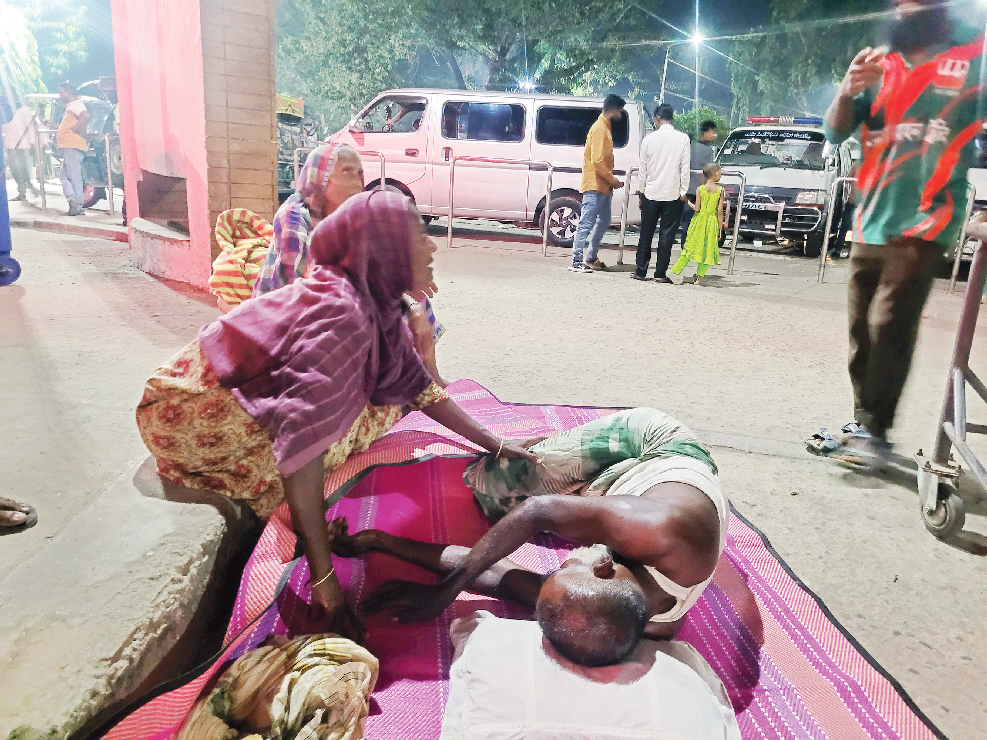
A heart attack does not always begin dramatically or with severe chest pain. It can start quietly, with slight pressure in the chest or symptoms that feel like ordinary gas in the stomach. Doctors say every moment matters in a heart attack, because the heart muscle begins to be damaged quickly at that time. Specialists therefore advise taking the right steps as soon as symptoms appear.
Typically there may be pressure, tightness, squeezing or a feeling of something heavy pressing in the middle of the chest. That pain or discomfort can gradually spread to the left arm, shoulder, neck, jaw or back.
Other symptoms include severe shortness of breath and cold sweating, nausea or vomiting, dizziness and extreme tiredness.
Specialists warn that in women, older people and people with diabetes, symptoms do not always appear in the usual way. Sometimes there is no chest pain at all; only shortness of breath, extreme tiredness, or discomfort in the jaw, back or upper abdomen appears. Many people mistake this for ordinary gas or acidity and delay going to a doctor. The advice is therefore to treat a suspicion as a heart attack.
As a first step, whatever you are doing should be stopped immediately. Walking, climbing stairs or trying to finish an unfinished task should be avoided.
Emergency help should then be sought immediately from people nearby. The advice is to sit calmly, somewhat upright with support behind the back, and keep the knees bent. Tight clothing should be loosened. If you are alone, the lock of the outside door should be left open.
On aspirin, the guidance says that if there is no bleeding problem or allergy and no doctor's prohibition, a 300-milligram aspirin tablet can be chewed, in line with advice from the NHS and the British Heart Foundation. This is not, however, a substitute for emergency treatment.
You should never drive yourself to hospital, the guidance warns. Sitting and hoping the problem will go away on its own is also a serious mistake. Paramedics in an ambulance can begin treatment on the way.
The list of things not to do also includes trying to lie down and sleep, eating or drinking anything other than a little water with aspirin, and relying on home remedies for gas, hot drinks, massage or so-called 'cough CPR'. Aspirin should never be given to anyone under 16, and medicine prescribed for someone else should never be used.
If a person does not respond and is not breathing normally, it should be understood as cardiac arrest. Help should be called quickly and CPR started immediately. Hard, fast compressions should be given in the centre of the chest about 100 to 102 times a minute. If an automated external defibrillator, or AED, is nearby, it should be brought and its instructions followed, and the process continued until help arrives.
When a clot blocks a blood vessel, the heart muscle beyond that vessel begins to be damaged within just a few minutes. After reaching hospital quickly, immediate treatment is given through ECG and blood tests, such as clot-preventing medicine or angioplasty with a stent. Doctors say prompt treatment significantly reduces the risk of heart failure and death.