Smartphones in Children's Hands: How Risky Are They for the Eyes?
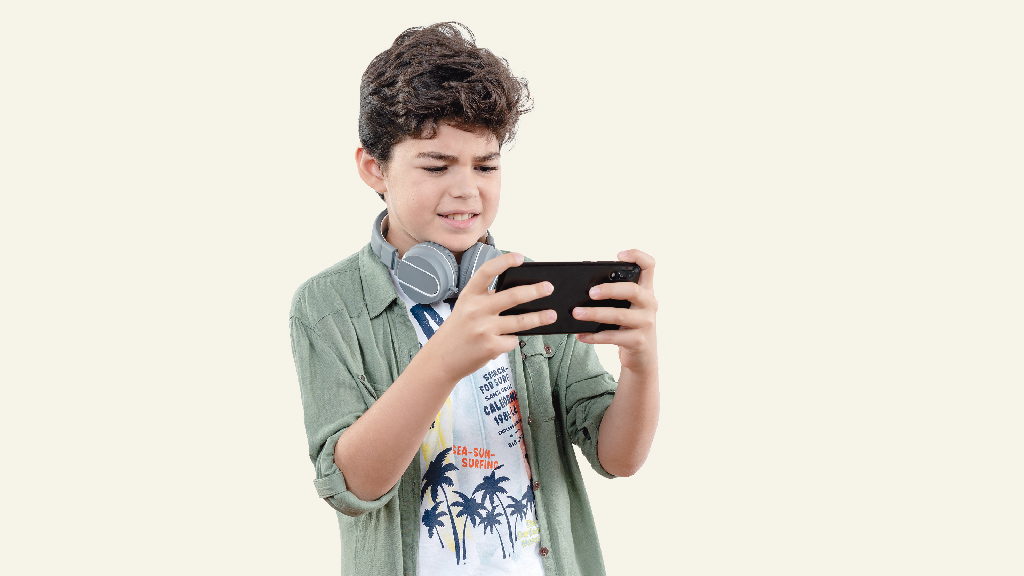
In today's world, the smartphone has become an inseparable part of our daily lives. Alongside adults, children too are now growing accustomed to smartphones.
Many parents hand a smartphone to a child as an easy way to feed them, stop them crying, or keep them busy. But it is important to be aware of how risky this temporary relief can be for a child's eye health.
A child's eyes develop gradually after birth. The normal development of eyesight in childhood is important. Staring at a smartphone screen from close range for long periods, not taking enough breaks, and a lack of outdoor play can be linked to various eye problems in children.
Staring at a mobile screen for a long time puts strain on the eye's focusing system. This can cause discomfort in the eyes, headaches, pain around the eyes and temporarily blurred vision. In medical terms, this is called digital eye strain.
Normally, we blink regularly. But while watching videos or playing games on a smartphone, the rate of blinking falls. As a result, the layer of tears on the eye dries out quickly, which can cause burning, redness, irritation or excessive watering of the eyes.
Myopia, or short-sightedness, is increasing among children worldwide. With myopia, distant objects cannot be seen clearly. Research has found a link between spending long periods focused on nearby objects and spending less time outdoors, and the risk of myopia. However, it cannot be concluded directly that smartphone use alone causes myopia. Hereditary factors also play an important role.
Using a smartphone for a long time before bedtime at night can disturb a child's natural sleep rhythm. Screen light and exciting videos or games are among the reasons children fall asleep late. A lack of adequate sleep can affect a child's attention, behaviour and overall well-being.
Many parents believe that the light from a mobile phone directly damages the retina of the eye. However, there is no reliable scientific evidence that the light from a smartphone screen causes permanent damage to the eyes in ordinary use. The main concerns are staring at a nearby screen for long periods, eye fatigue, disturbed sleep and reduced outdoor activity.
According to the advice of the American Academy of Pediatrics, screen use should be avoided as much as possible for children under two years of age, except for video calls. For children aged two to five, a maximum of one hour of quality screen content per day is recommended. For older children, it is important to set screen-use limits in line with their age, studies, sleep and physical activity.
A few habits are important for protecting a child's eyes. If a child repeatedly rubs their eyes, holds a book or mobile phone very close to the eyes, has difficulty seeing distant writing, suffers frequent headaches, or squints while looking, an eye specialist should be consulted. If needed, a full eye examination can identify the cause of the problem.
Author: Dr. Md. Arman Hossain Rony, Consultant (Eye), Din Mohammad Eye Hospital, Sobhanbagh, Dhaka.