Paraguay's impeached president under house arrest as Peña appears before prosecutors
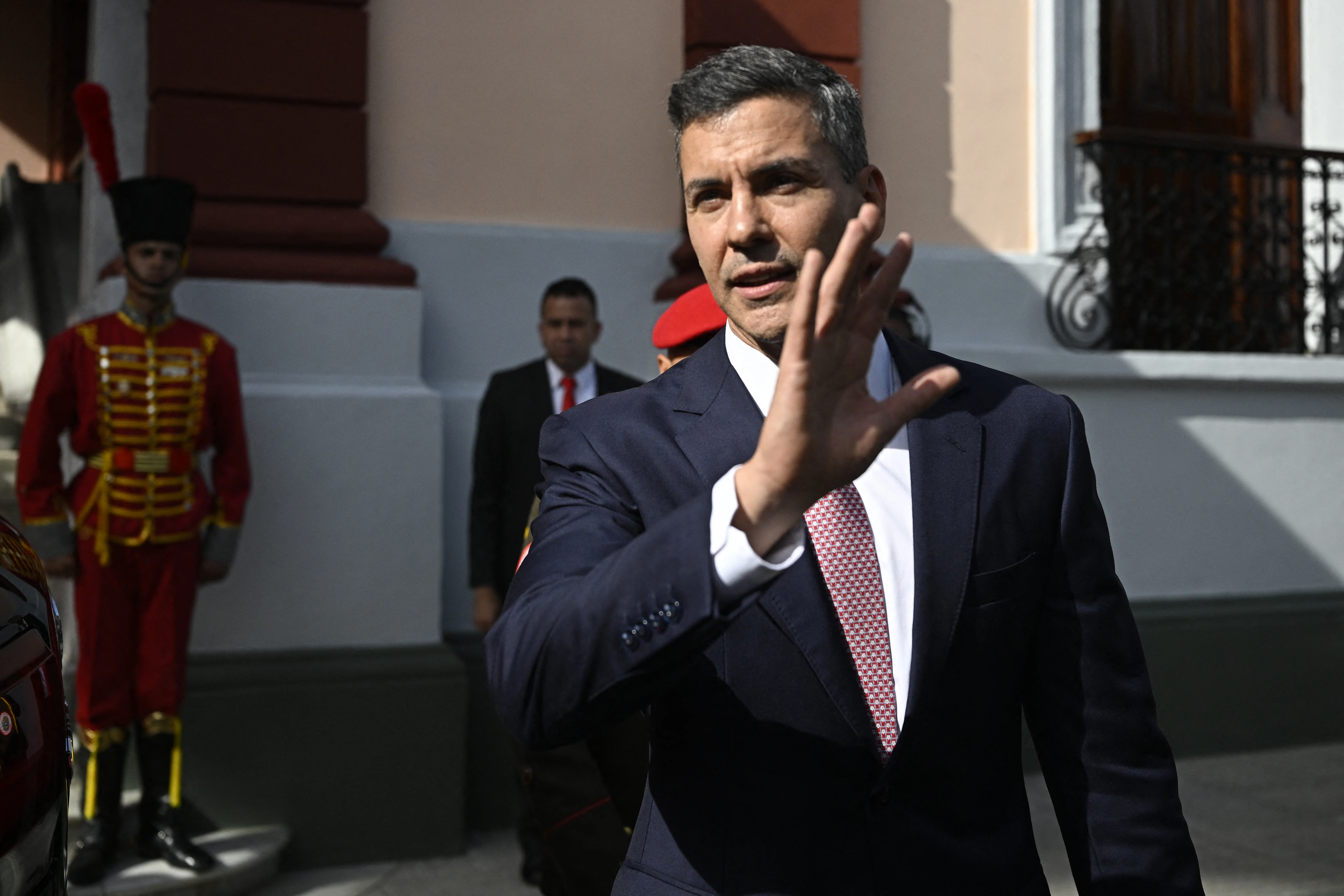
Paraguayan President Santiago Peña has been impeached and placed under house arrest after the collapse of a state-affiliated digital bank. The country's Senate voted on Friday to remove him from office. He is appearing before prosecutors on Saturday morning.
According to the Senate's record, legislators unanimously found Peña guilty of malfeasance in office. Prosecutors accused him of breach of trust, among other charges, before placing him under house arrest.
Peña had announced his resignation on Thursday. But lawmakers refused to accept that resignation and instead moved forward with the impeachment process. A trial is proceeding against him. He is the first Paraguayan president to be removed from office since Fernando Lugo in 2012.
At the centre of the crisis is Ueno Bank. The digital lender served about 3 million customers, more than half of the country's adult population. Peña was a shareholder in the bank. The bank said more than a million people opened bank accounts for the first time using its services, which included generous cashback offers on groceries.
Paraguay's central bank seized control of Ueno Bank on Tuesday, saying its solvency ratio, a measure of a company's long-term financial viability, no longer met legal standards. The fallout has left millions of people across the country without access to their money.
Protests erupted across Asunción, the capital, after the seizure. On November 5, demonstrators burned an image of President Peña during a protest over the banking crisis and his resignation at the main square near the National Congress.
Vice President Pedro Alliana has been sworn in as president. He will serve out the rest of Peña's term until August 2028. In a speech on Friday, he announced he would take action to compensate people whose money was lost in the bank's collapse.
In a speech posted to social media, Peña said, 'I want to apologize to the Paraguayan people if I have failed you.' Peña was known as a pro-market leader and was seen as one of Washington's closest allies in the region. But legislators said he jeopardized state assets and benefited himself through his connection to the bank.