Cop31 climate talks: Who is at the negotiating table, and what is at stake

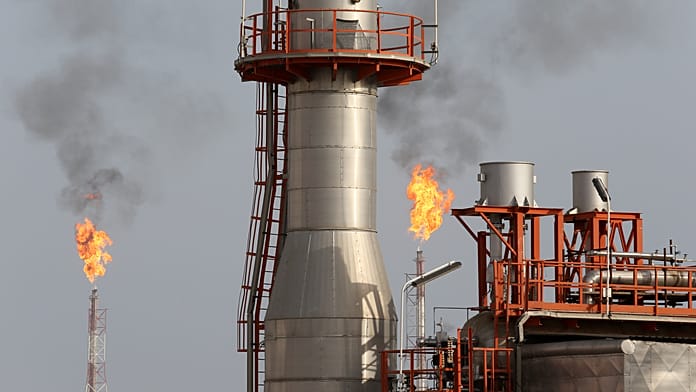
The United Nations climate summit Cop31 has opened in the Turkish city of Antalya. After a bitter row over hosting, Australia is in charge of the negotiations while the Turkish government controls the action agenda. From the first days it is already clear that moving away from fossil fuels, halting deforestation and climate finance will remain the biggest points of disagreement among countries.
Hosting Cop was a key pledge from Australia's prime minister, Anthony Albanese, in 2021, while he was in opposition. But arcane rules meant the country had to wait its turn to bid, and it was then embroiled in an angry row with Turkey over the hosting. The final compromise put Australia in charge of the negotiations, with the summit held in Antalya. The bitter taste left by the row lingers, and Australia has seemed to some a rather half-hearted host.
Chris Bowen, Australia's climate and energy minister, will be in daily charge of the negotiations. As aspects of Australia's energy supply also fall under his portfolio, he has been in the sometimes uncomfortable position of having to boost fossil fuels while insisting on the need for a clean energy transition. Yet Australia has a positive story to tell on decarbonisation: while remaining one of the world's major fossil fuel exporters, the country has also invested heavily in renewables, and solar power has now expanded so much that consumers are sometimes offered free electricity.
Recep Tayyip Erdogan, Turkey's president, showed little interest in climate and environmental issues before bidding to host this year's Cop summit. Turkey's environment minister, Murat Kurum, has control of the action agenda, a programme of voluntary initiatives. Erdogan has used this to push forward a key interest of his wife, Emine Erdogan, in cutting waste and promoting the circular economy. She has called for an end to 'throwaway culture' and for recycling instead of landfill, though Turkey still has sites that leak vast quantities of methane.
Fatih Birol, the head of the International Energy Agency and one of the world's leading energy economists, is understood to be one of the advisers behind this year's emphasis on electrification, displacing fossil fuels with electricity for heating, transport and industrial uses. This could halve the amount of energy we need, and is the next biggest step, after boosting renewable energy generation, needed for a low-carbon world.
The recently re-elected President Lula da Silva will come to Cop31 for his first trip abroad after winning his historic fourth term, and will bring two roadmaps, one a global plan for the transition away from fossil fuels, the other for halting and reversing deforestation. These are non-binding, and contain no deadlines or firm requirements from governments, but show a series of steps that governments can take to achieve these goals.
Xi Jinping, the president of China, will not come to this year's Cop, but his country's rapid energy and industrial transformation will determine the course of the planet's future. China is the world's second biggest economy and the biggest emitter of greenhouse gases, making up nearly a third of global annual carbon output, owing mainly to the use of fossil fuels to power its explosive economic growth for the last 25 years. But it has also invested in renewable energy, which is reshaping the global energy business.
For several months this year, India's prime minister, Narendra Modi, mulled an intriguing proposition: to host the Cop33 UN climate summit in 2028. In the end, India withdrew its bid in April without specifying why, leaving the field open. India is torn between its burgeoning clean energy sector, which now has the world's third biggest installed capacity of renewable energy, after China and the US, and its coal sector, which still supplies about 70% of electricity. Bhupender Yadav, India's environment minister, leads its Cop delegations.
No US delegation is expected at Cop31. The attention of Donald Trump has been fixed on the crucial midterm elections, and soon Trump's withdrawal of the country from the UN framework convention on climate change will mean none can take part. Trump's shadow was felt at Cop30 in Belem last year, as he started to dismantle the US's renewable energy sector and boost fossil fuels, setting the US on course to start increasing greenhouse gas emissions again.
Andy Burnham will attend Cop for the first time this year, after a mixed record on the climate since taking office. During the record-breaking heatwaves and droughts of this summer, the British prime minister was criticised for failing to speak out on the climate crisis. He subsequently made strong interventions affirming his support for the UK's target of reaching net zero greenhouse gas emissions by 2050, but then backed the Jackdaw gasfield. From December, the UK will take over the revolving presidency of the influential G20 group, and the UK is understood to emphasise building resilience against the impacts of the climate crisis as a key focus for its year-long presidency.
The EU has faced a quandary over its climate convictions in recent years. Far-right populists are on the rise, pushing climate denialism, and the bloc has backed down from some key regulations, watering down its green deal package. Despite calling this summer's record-breaking heatwaves and drought a 'summer of truth', the EU commission president, Ursula von der Leyen, is not confirmed for Cop31. Wopke Hoekstra, the Dutch climate commissioner, will oversee the final stages of the talks for the EU, and is expected to make competition with China a key focus.
Cop31 will mark the final outing at a UN climate summit for Antonio Guterres, the UN secretary general, who has regularly intervened powerfully on this subject. A successor to Guterres has still not yet been chosen, and the US has tried to get Viktor Orban, the far-right former president of Hungary, into the role.