No evidence of AI writing found, Caine Prize-winning story stands
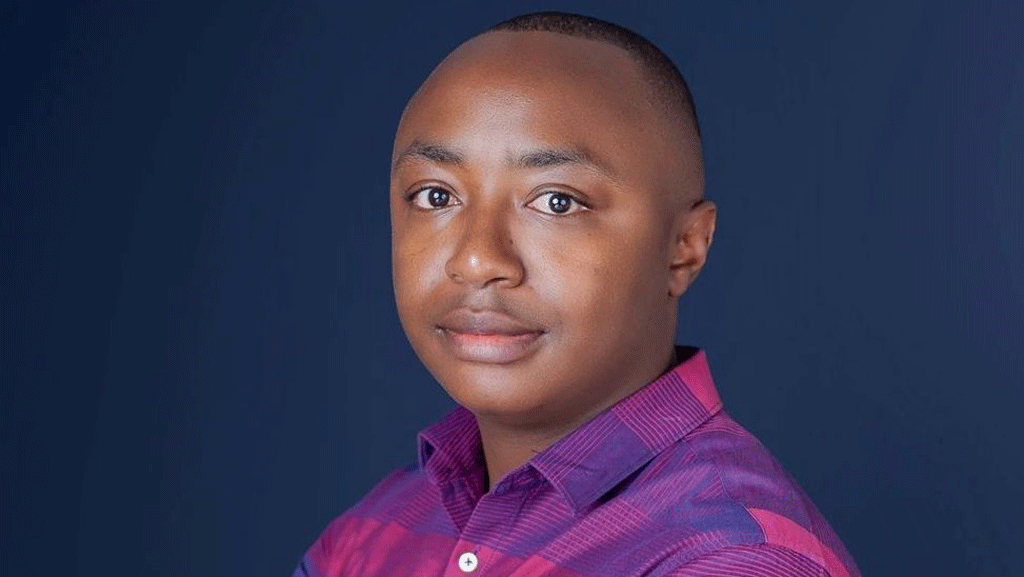
The authorities of the prestigious African literature award, the Caine Prize, have investigated and found that their prize-winning short story was not written with artificial intelligence (AI). As a result, Zimbabwean writer Simbarashe Kundijeza remains the winner of this year's prize worth 10,000 pounds (16 lakh 50 thousand taka).
The BBC reported on Thursday (12 November) that the allegation that the awarded story was written using AI arose after a report published in the US magazine The Atlantic. The report, titled 'Yet Another Literary Prize Winner Seems to Be AI', claimed that Kundijeza's prize-winning story 'The Blue Fighter' was created entirely by AI.
Elah Wakatama, chair of the Caine Prize board of trustees, said the allegation was considered seriously and a detailed investigation was carried out. The investigation made it clear that the story was written by a human being.
In a video published on the social media platform X, he said, 'Our extensive investigation shows the evidence is clear — The Blue Fighter is human-written.'
In The Atlantic report, journalist Vauhini Vara had claimed that testing the story with an AI-detection software called Pangram found it to be 100 percent AI-made. The story is about a boy and his family's financial hardship.
Kundijeza, however, denied the allegation. It sparked wide debate on social media. In particular, many African writers questioned whether such allegations are raised more often against non-white writers.
Wakatama said the investigation interviewed not only the writer but also the 2026 judging panel and people connected with Shallow Tales Review, the magazine where the story was first published. The metadata of the various drafts of the story prepared by the writer was also examined by independent experts. The analysis was led by a cyber security and digital forensics specialist.
This year, several controversies have arisen over allegations of AI use in literary prizes. Commonwealth Short Story Prize winner and Trinidadian writer Jamir Nazir faced the same allegation. Separately, Canadian-Haitian writer Thelisson Orelien withdrew his name from France's prestigious Prix Goncourt. An allegation of AI use was raised against his first novel, which he has denied.
After winning the prize at the start of last October, Kundijeza told the BBC in an interview that last year he was inspired by hearing a poem by Ghanaian and South African poet Vangile Gantsho. The poem was about her father's strong passion for building a fish aquarium. He combined that with some of his own life experiences from around 2002, when Zimbabwe's economic crisis was beginning, to write the story.