Meeting in Dublin, European leaders search for a lead negotiator for peace talks with Russia
European leaders met in Dublin on Thursday to discuss Ukraine and artificial intelligence, while continuing their search for a lead EU negotiator in any peace talks with Russia. Their diplomatic and financial support for Ukraine also featured in the talks.
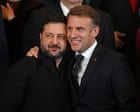
The discussions have become more urgent after US envoy Jared Kushner, following a meeting with Ukraine's President Volodymyr Zelenskyy in Dublin the previous night, said Ukraine and Russia had agreed to expand the next round of peace negotiations to include European countries. That, Kushner said, would allow the broader postwar European security arrangements to be addressed alongside the territorial issues between Ukraine and Russia.
But, as Kushner somewhat mockingly said on Wednesday, if Europe could identify one person to speak on their behalf, that would be a bigger achievement than getting the Russians to include them in the negotiations. That remark has pushed the question of Europe's representation further to the fore.
The host, Ireland's prime minister Micheál Martin, said discussions would focus on what Europe needs to consider any future Ukraine settlement a just and sustainable peace. "The substance of any peace agreement is as important as who represents Europe," he said. "Europe needs to be very clear in terms of what would constitute a sustainable peace for the continent, well into the future. Security guarantees are a significant part of that, and also the reconstruction of Ukraine."
Martin said the outstanding questions on Europe's priorities and representation need to be decided "in the next week or two." On AI, he said the meeting would explore the implications of AI, positive and negative, and the balance between regulation and innovation.
Estonian prime minister Kristen Michal warned that Ukraine faces "winter like hell again," with Russia "bombing everything," as he urged European leaders to double down on their backing for Kyiv. "Putin has to change his goals because the war, aggression, and killing of women, children, and civilians would stop right now if he gave an order," Michal said. The European plan, he added, has long been simple: help Ukraine push Russia back, and so it should remain.
Michal also warned that Putin's attempt to discuss the broader European security architecture before agreeing to end the war is a "mental trap." Does anybody really think that Europe is a threat to Russia, he asked. "Our red line is quite clear: we should have peace, on Ukraine's terms, and after that everything can be talked, but not before and not at the same time."
European Commission president Ursula von der Leyen insisted it is "self-explanatory" that Europe should be included in the peace talks on Ukraine, to safeguard its interests but also to support Ukraine. She said the Commission would come forward with a proposal for financing Ukraine's needs in 2027, and with the 22nd sanctions package, before the next European Council. Today's talks would also focus on the risks and opportunities associated with the rise of AI, she said.
Leaders in Dublin rejected calls that there was any need to recreate a European security architecture, while restating that Russia needed to stop attacking Ukraine. European Council president António Costa summed it up: "There is no need to reinvent the wheel. Europe had a functioning European security architecture until it was first, gradually undermined, and ultimately destroyed by Russia's invasion of Ukraine."
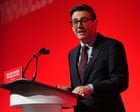
Speaking to reporters, UK prime minister Andy Burnham said Europe "in the wider sense" — not just the EU — would decide on its own arrangements. There was a very strong feeling against Russian demands to put the question of European security architecture or arrangements into this negotiation, he said.
Zelenskyy had urged European leaders to "pay attention" to Vladimir Putin's demands on security. Against that backdrop, the leaders in Dublin continued their talks on diplomatic and financial support for Ukraine.