Government Cancer Treatment Must Expand: 187,000 Cases a Year, Only 31 Radiotherapy Machines

The number of cancer patients in Bangladesh is rising every year, but treatment infrastructure has not been built at the same pace. Citing figures of 21 new cancer patients detected every hour against 16 deaths, it has been said that people with cancer are being forced into a helpless surrender to the disease.
A recently published report titled 'Cancer patients queue from midnight, no guarantee of treatment' detailed the disorganised and flawed picture of cancer treatment in the country. From detection to access to treatment, along with high costs, families affected by this disease are falling into endless suffering.
There is no accurate statistic on how many people are newly affected by cancer in the country each year. However, the 2024 report of Globocan, the World Health Organization's cancer agency, says 187,000 people are affected by cancer in Bangladesh every year and 138,000 die.
The shortage of cancer screening and early detection systems in the country has been identified as the main reason for such a high death rate among cancer patients. There is a shortage of trained manpower, and cancer treatment centres are far fewer than needed. Yet if cancer is detected at an early stage, patients have a much higher chance of recovery and treatment costs also fall considerably.
The main victims of this are poor and marginalised people. Where the country needs 200 to 250 radiotherapy machines, there are only 31.
A study by Bangladesh Institute of Development Studies researcher Abdur Razzaq and his colleagues found that 90 percent of families fall into financial disaster while seeking cancer treatment. In this reality, foreign treatment for the rich, private hospitals in the country for the middle class and the National Institute of Cancer Research and Hospital for the poor have become something like an unwritten rule for cancer care.
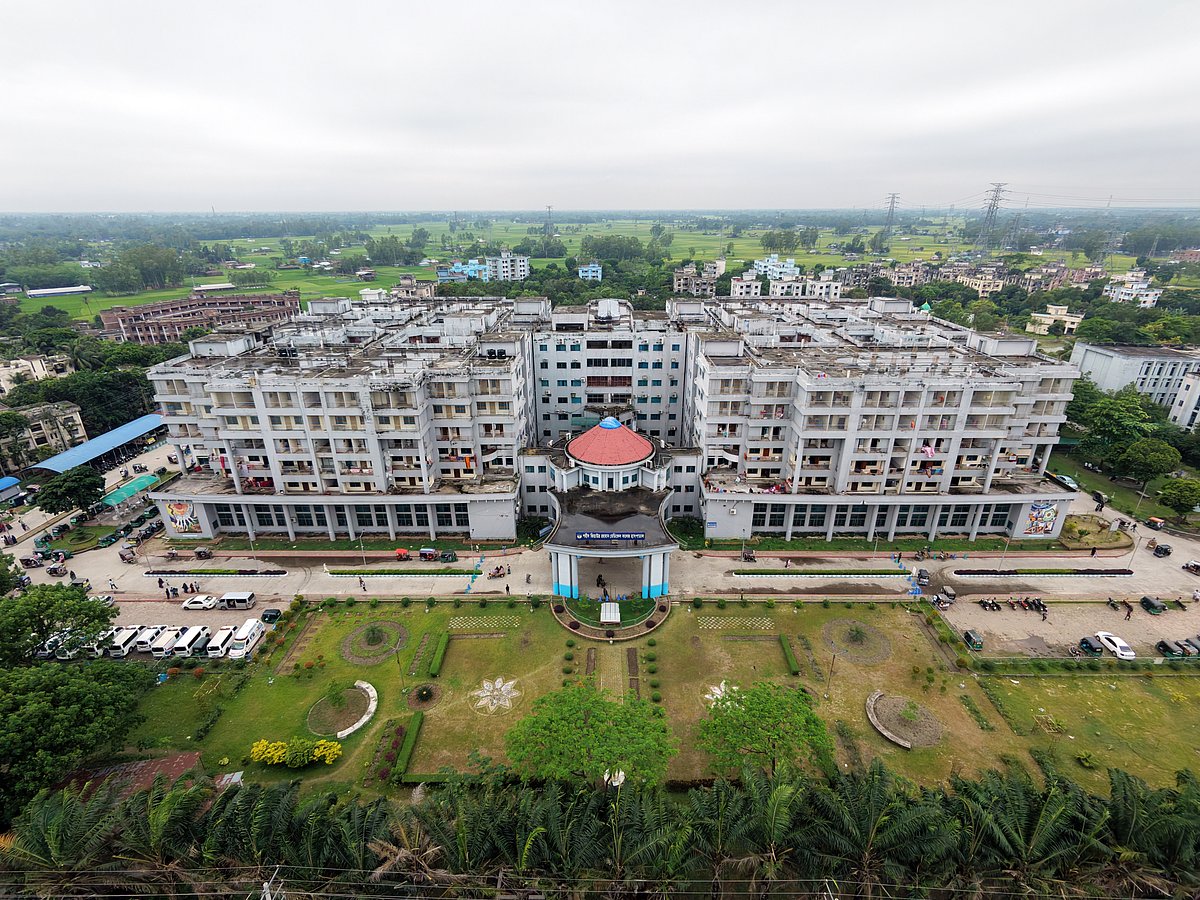
Huge amounts have been spent on health infrastructure construction and procurement in the country over the past decade and a half, yet it can be said that expensive treatment like cancer has received almost no importance at the government level. That becomes clear when looking at the National Institute of Cancer Research and Hospital, the country's largest cancer treatment facility and the last resort for poor patients.
Although everyone has the right to receive cancer treatment, the authorities of this hospital have to decide in selecting patients whose chance of survival is higher. It is also seen that a patient who needs radiotherapy within seven to fifteen days is being given a time one to two years later. This means many cancer patients are receiving only partial treatment.
Several machines of this specialised hospital have expired and become unusable. Although the hospital has been upgraded to 700 beds, it has manpower only to run a 300-bed hospital. As cancer treatment infrastructure and facilities are almost absent across the country, all patients are heading towards Dhaka.
In this situation, under the disorganised and flawed system in which cancer treatment is running in the country, a large portion of those affected are being deprived of treatment. Therefore, opinion has been given that full cancer treatment centres need to be built at every divisional level with long-term government investment, moving away from Dhaka-centricity. The need to quickly upgrade the National Institute of Cancer Research and Hospital into a true 700-bed hospital with necessary equipment and manpower recruitment, and to install a sufficient number of radiotherapy machines in important hospitals of the country, has also been highlighted.