After Two Wars Iran Is Rewriting Its Military Doctrine Around Hormuz, Missiles and Its Nuclear Programme
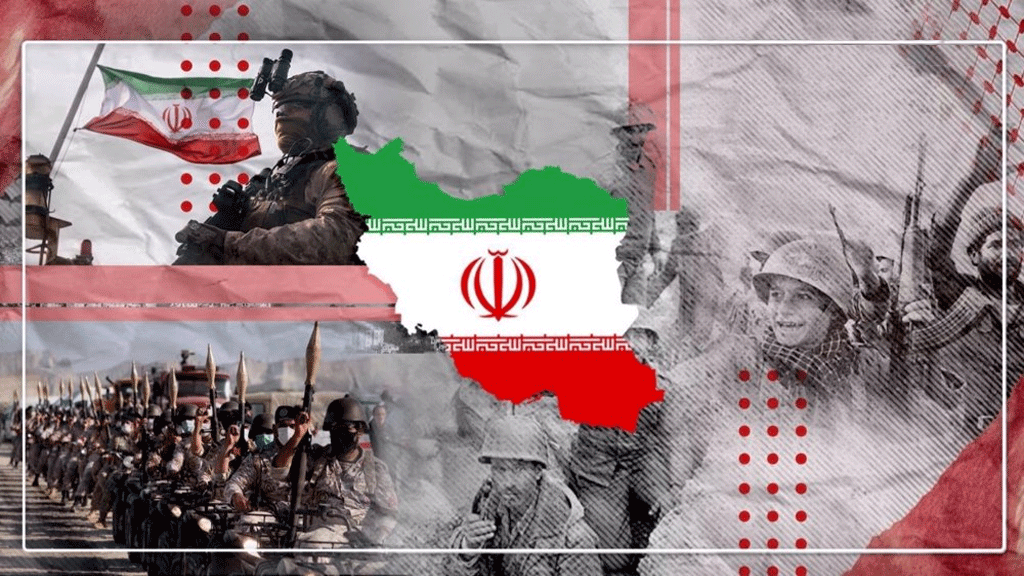
After the two wars waged against Iran in June 2025 and February 2026, a process of major change has begun in the country’s military posture and defence doctrine. Tehran long avoided major retaliatory escalation, but strategic circles in the country are now debating that this restraint ultimately weakened its deterrence.
One of the ‘red lines’ Iran had long refrained from crossing has now been crossed: directly targeting US forces and military capabilities. During the 40-day war, the discussion notes, Tehran built the capacity to deliver a costly military response against the aggressors.
The new strategy is now being summarised in three main pillars. The first is the Strait of Hormuz, the second is the missile programme and other defence programmes, and the third is the nuclear programme.
In the Strait of Hormuz, Iran has stepped up measures aimed at closing off unauthorised naval routes and passage. Where environmental and security concerns once dominated its responses, there is now a greater tendency to strike targets in order to disrupt shipping. Ships that accept protection from US Central Command (CENTCOM), it says, risk being put out of operation for months.
On missiles, Iran’s missile exercises continued throughout October and November. Tehran then announced that it no longer considers itself bound by the commitment it had long observed to limit missile range to a maximum of 2,000 kilometres.
At the same time, Brigadier General Mohsen Rezaei declared that if Iran is attacked again, US bases located outside the region will also be targeted. Iranian military statements have also named several European countries, accusing them of taking part in the previous war by allowing the use of their bases and providing logistics support to US warplanes.
On the nuclear programme, Tehran is refusing to allow inspectors from the International Atomic Energy Agency (IAEA) to visit its nuclear facilities. Tehran argues that there is no effective protocol for inspecting sites that have been attacked, and that the threat to those sites still exists.
Meanwhile, Iran’s Assembly of Experts has recommended changing the country’s defence doctrine and withdrawing from the Nuclear Non-Proliferation Treaty (NPT). Tehran is also refusing to enter talks on its nuclear programme until US conditions are met; in Iran’s view, those conditions amount to surrender.
Amid military preparations under way since last April, a speech by Iran’s supreme leader also hinted at the doctrinal shift, raising a move from a reactive military posture to one of active and pre-emptive steps. Public national unity during the war has given this change a legitimate basis, the analysis says, and the new military doctrine is now the central subject of open discussion and strategic debate in Iran.