Smog season returns: 42 of the world's 50 most polluted cities in 2025 were in India and Pakistan

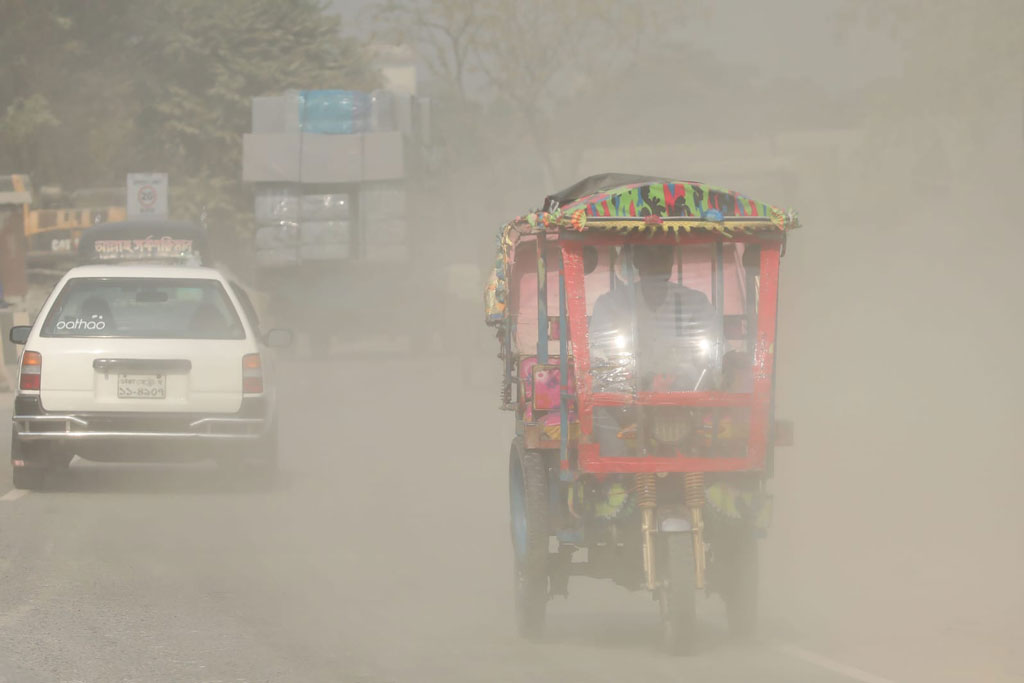
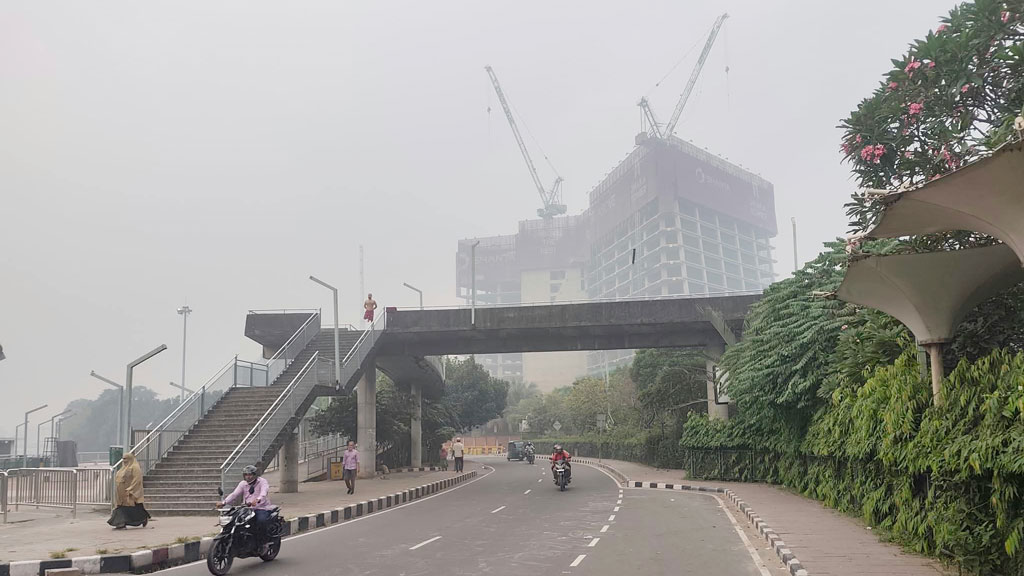
As winter approaches in the Northern Hemisphere, so does smog season, and few places are hit harder than South Asia. Cities across the region, from New Delhi to Dhaka, are blanketed in a thick grey haze, with the Air Quality Index (AQI) exceeding 350 in several parts of India's capital last week, a level classed as hazardous, according to the air quality monitoring platform IQAir.
According to IQAir, all 50 of the world's most polluted cities in 2025 were in Asia, with 42 of them in India and Pakistan. Loni, on the outskirts of Delhi in Uttar Pradesh state, topped the list with average PM2.5 levels of 112.5 micrograms per cubic metre, more than 22 times the WHO's recommended limit, followed by Hotan in China and Byrnihat and New Delhi in India.
In winter, a layer of warmer air can trap cooler air near the ground. Combined with low wind speeds, this stops pollution from vehicles, industry and crop burning from dispersing. In South Asia, winter smog is made worse by geography: the Indo-Gangetic Plain, which stretches across parts of Pakistan, northern India, Nepal and Bangladesh, is hemmed in by the Himalayas to the north and has weak winds and a shallow layer of air in winter, so pollution has nowhere to go.
Smog mostly comes from burning fossil fuels, particularly coal, along with exhaust from vehicles and factories, and smoke from forest and crop fires. Summer smog forms differently, when sunlight reacts with nitrogen oxides and other pollutants to form ground-level ozone, while winter smog forms when a layer of warm air sits on top of cooler air near the ground, trapping pollution.
The most harmful pollutant is PM2.5, particles 2.5 micrometres or less in diameter, about 30 times thinner than a human hair. They can travel deep into the lungs and enter the bloodstream. Vehicles account for 23 percent of Delhi's winter pollution, while biomass burning, including farm stubble fires, contributes 20 percent, according to India's Ministry of Environment, Forest and Climate Change. The four Chinese cities on the list are in Xinjiang, where desert dust is a major source.
Air pollution, both outdoors and inside homes, is linked to about seven million premature deaths worldwide each year, according to the World Health Organization (WHO). Pollutants mainly enter the body through the lungs, where they can cause inflammation, damage cells and weaken the immune system. PM2.5 can also pass into the bloodstream, reaching organs including the heart and brain.
Air pollution is most strongly linked to stroke, heart disease, chronic obstructive pulmonary disease (COPD), lung cancer and pneumonia. It can also worsen asthma and reduce lung function. Long-term exposure has also been linked to dementia and a higher risk of diabetes.
Children, older people, pregnant women and those with heart or lung conditions are most at risk. Exposure during pregnancy has been linked to premature birth and low birth weight.