Flu activity rises early across the US, with six states at high levels, CDC data shows
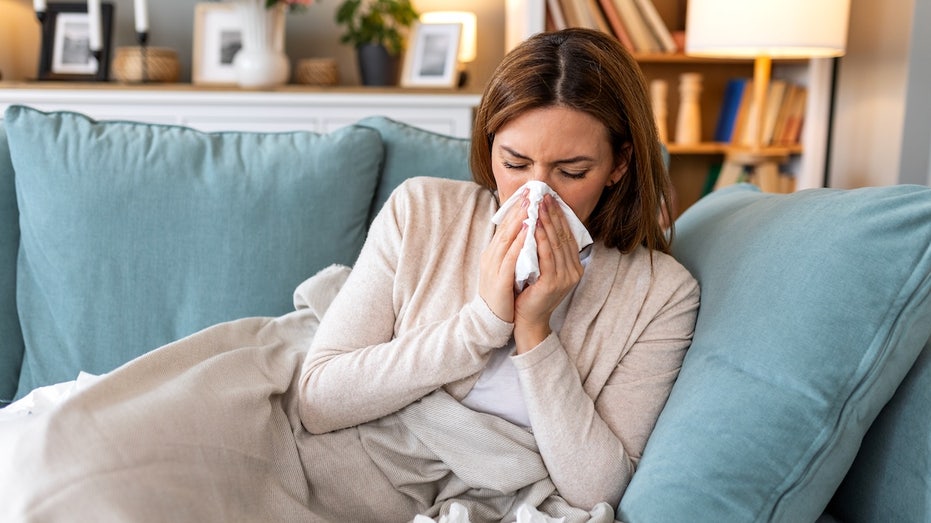
Seasonal flu activity across the United States is higher than typically observed at this time of year, the Centers for Disease Control and Prevention (CDC) has said in its weekly influenza update, as cases spike early nationwide. Six states have reached high levels of flu-like illness, and Louisiana is the only state in the very high category.
In the week ending November 7, about 11 percent of specimens tested for flu at clinical labs were positive, with that percentage rising, according to the CDC. More than 3 percent of doctors' office visits in the same week were due to flu-like symptoms.
On the CDC's map for the week ending November 7 (week 44), New York, Massachusetts and Hawaii were in the moderate category for influenza-like illness. California, Tennessee and Oregon were in the high category, along with South Carolina and Texas. Louisiana was the only state in the very high category.
The CDC noted that an earlier increase in activity does not predict a higher seasonal peak or overall severity. It is also too early to know which flu viruses will be most dominant this season, but in the week ending November 7 the most frequently reported virus was influenza A(H1N1)pdm09, a descendant of the strain that caused the 2009 swine flu pandemic and has circulated seasonally since.
The CDC estimates that so far this season there have been 2.6 million illnesses, 36,000 hospitalizations and 2,100 deaths tied to flu infections. Five flu-associated deaths among children have been reported to the agency.
Dr. Anna Durbin of Johns Hopkins University said in an October media briefing that the flu hospitalization rate in mid-October was the highest it had been in 15 years. Because the flu season is starting a bit earlier, she advised everyone to get a flu vaccine as soon as possible.
Dr. Fred Lopez, an infectious diseases specialist at the LSU Health Sciences Center in New Orleans, told the Associated Press that the flu season is taking off in a direction that is only likely to increase in the next month or two. If you have not been vaccinated, you should get vaccinated now, he added.
The CDC recommends an annual flu vaccine for everyone 6 months and older. Prescription antiviral drugs can treat flu and should be started as early as possible, especially for people at higher risk of complications.
With Thanksgiving approaching, doctors expect flu and other respiratory viruses to spread as people travel and gather with friends and family. Last winter, flu activity surged in late December; at the time, New York City health officials described that season as the city's most intense in 20 years, according to the AP.