Around 21,000 people get lung cancer in the country each year; the earlier it is detected, the better the survival chance: Dr Ishtiaque Ur Rahim

Around 21,000 people in the country are affected by lung cancer every year. Lung cancer can also occur among younger people, non-smokers and women. The earlier the disease is detected and treatment started, the better the patient's chance of survival.
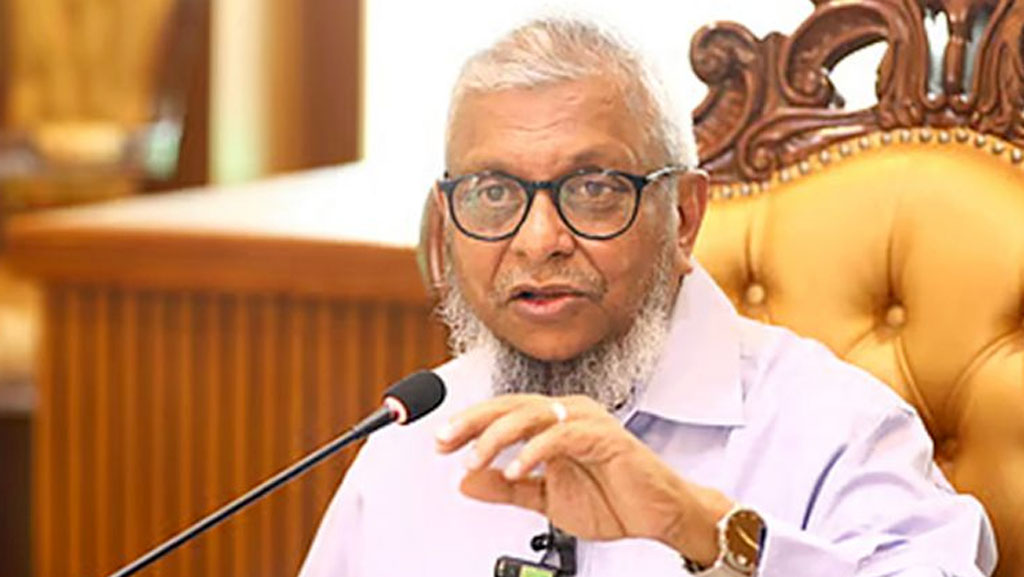
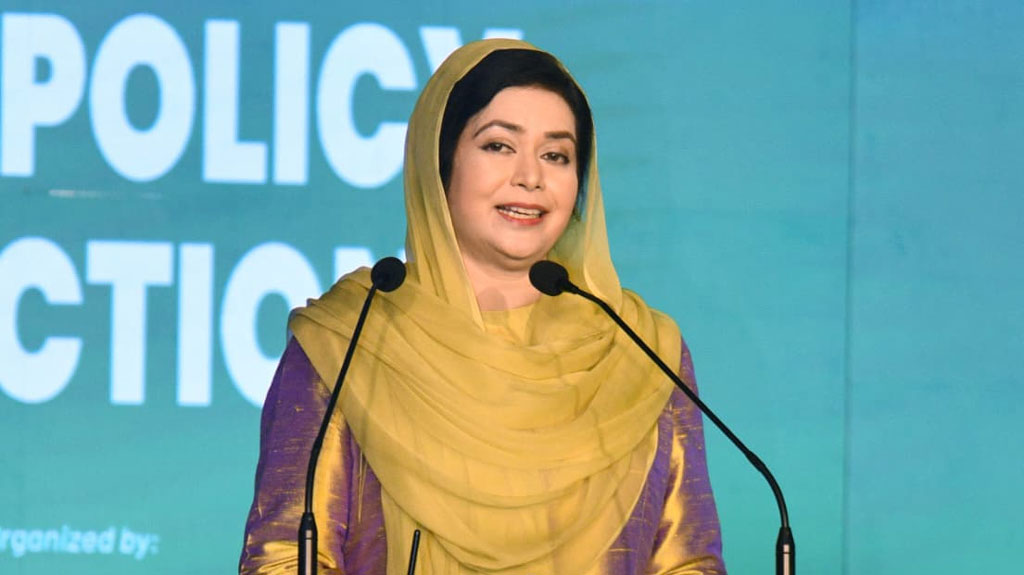
Dr Ishtiaque Ur Rahim, consultant (medical oncology) at BIRDEM General Hospital, presented the information to explain the importance of detecting lung cancer in an online discussion titled 'World-class cancer treatment now in Bangladesh'. The programme was broadcast live last Monday, hosted by Nasiha Tahsin.
The programme discussed in detail the lung cancer situation in Bangladesh, types of the disease and risk factors, the effect of air pollution, early symptoms, diagnosis and molecular testing, modern treatment methods, the benefits of radiotherapy, side effects of treatment and follow-up.
Presenting the global and Bangladesh situation of lung cancer, Dr Ishtiaque Ur Rahim said around 2.5 million people worldwide are affected by lung cancer every year. Around 1.5 million people die of the disease annually. In this country too, around 21,000 people are being affected by lung cancer every year. Earlier the disease was generally seen more among older men who smoked. But now a rising trend of lung cancer is being seen among younger people, non-smokers and women as well.
Dr Ishtiaque Ur Rahim also said that among lung cancer patients in South and Southeast Asia, mutation of the EGFR gene is comparatively more common. This type of mutation is found in 32 to 36 percent of cases.
On symptoms, he said that coughing up blood or blood with phlegm, loss of appetite, sudden weight loss, pain in various parts of the body, and fluid collecting in the lungs or abdomen must also be considered seriously. These symptoms must not be neglected.
On tests to detect lung cancer, Dr Ishtiaque Ur Rahim said, 'Initially, a chest X-ray or CT scan is used to see whether there is any abnormality or tumour in the lungs. If anything suspicious is found, the disease is confirmed through bronchoscopy, FNAC or core biopsy.'
Highlighting the need for molecular testing, he also said, 'Various types of genetic mutations are tested from the biopsy sample. For example, testing biomarkers such as EGFR, ALK, ROS1, BRAF and PD-L1 plays an important role in determining the treatment method.'
Explaining the type of treatment and the chance of recovery at different stages of lung cancer, Dr Ishtiaque Ur Rahim said stage one and stage two cancers fall within the early stage. At this stage, if the tumour can be removed through surgery, the patient's chance of recovery is much higher. If surgery is done at stage one, the survival rate can be up to around 90 percent. At stage two, chemotherapy may be needed after surgery according to the biopsy report.
Highlighting the importance of when treatment starts, he said the earlier the disease is detected and treatment begun, the more the patient's chance of survival increases. If diagnosis is delayed, there is a risk that the cancer stage will advance. The treatment method then also has to be changed.
On risk factors, Dr Ishtiaque Ur Rahim said air pollution is linked to lung inflammation and a later risk of cancer. Smoke from vehicles and factories contains various harmful metallic substances and chemical elements. These elements are risky for the lungs.
On smoking, he said around 35 percent of people in Bangladesh smoke. That number is around 40 million. The harmful elements in smoking directly create the risk of lung cancer.
On the risk of taking herbal or kabiraji medicine alongside cancer treatment, Dr Ishtiaque Ur Rahim said that at times patients are told that various kinds of leaves or herbal medicines can completely cure cancer. Believing such claims, many patients, especially in villages, take such medicines hoping to save money. But it has been seen that these medicines do not cure cancer; rather, many patients come to doctors in a physically worse condition. He said that taking herbal medicine without the doctor's knowledge alongside chemotherapy or targeted therapy can cause unexpected and serious side effects. So herbal or kabiraji medicine should not be taken without a doctor's advice.
Highlighting the importance of follow-up after lung cancer treatment, Dr Ishtiaque Ur Rahim said, 'Even after all kinds of treatment end, the cancer can come back. Especially for patients with advanced-stage cancer, they need to be kept in regular follow-up considering this risk.' He said that generally, for the first one to two years after treatment ends, the patient is kept under observation every three months; during this time the patient's physical condition, whether any new problem has appeared and whether there are side effects of medicine are checked. After that, follow-up is done every six months for three to five years.