After Rohingya Genocide Verdict, Question Returns: Who Armed and Trained Myanmar?
The International Court of Justice, the United Nations' highest court, on Thursday, November 19, for the first time found a state directly guilty of genocide in a historic verdict. The court said Myanmar, as a state, committed genocide in its 2017 operation against Rohingya Muslims in Rakhine State.
After the world court's declaration, a question has returned strongly in international human rights and legal circles: who supplied arms, patrol boats and special training to Myanmar's military at that time, ignoring Western arms embargoes?
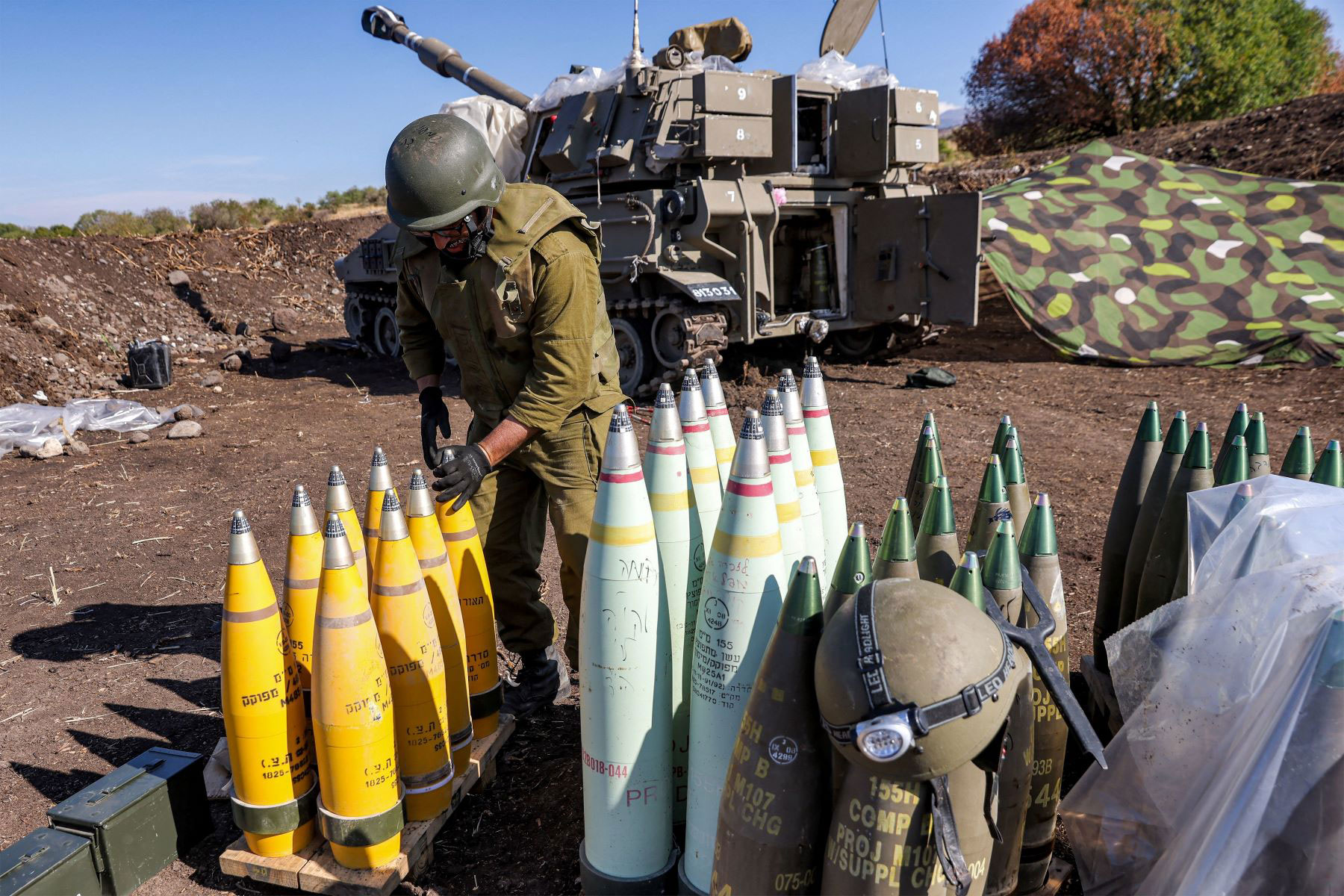
In searching for that answer, Israel's name comes up repeatedly. In 2017, when village after village was being burned in Rakhine and hundreds of thousands of Rohingya were fleeing to Bangladesh to save their lives, Tel Aviv continued supplying military equipment to Myanmar's junta forces despite US and European Union arms embargoes.
According to human rights organisations and Myanmar government documents, there are records of more than 100 tanks, armed patrol boats and firearms being supplied to Myanmar's military.
The report said Israel's military relationship was not an isolated incident but part of a policy pursued for decades. An investigative journalist for the Israeli newspaper Haaretz, writing under the pseudonym John Brown, described it as Uzi diplomacy.
In his view, if a country wants the best weapons it goes to the United States or Europe, but when no one else will sell you weapons, you turn to Israel.
According to the information, Israel's defence ministry approves 99.8 percent of arms export licence applications, and only a handful of officials oversee about 400,000 approvals a year.
Beyond Myanmar, the report noted documented Israeli arms sales to war-torn South Sudan, Serb forces in Bosnia in the 1990s, Hutu militias in Rwanda, Chile, apartheid South Africa and Argentina's military junta in the 1970s.
Penny Green, director of Queen Mary University's International State Crime Initiative, and Israeli activist Ofer Neiman said Israeli companies use the experience of long military control over occupied Palestinian territory to market their weapons and training as battle-tested in real war zones.
Yair Auron, a genocide researcher at the Open University of Israel, warned in 2017 itself that sending weapons to a regime like Myanmar's amounted to aiding genocide.
Nine years later, in November 2026, when the ICJ formally declared that Myanmar's military operation was state-sponsored genocide, the moral and legal responsibility for that past arms trade has come to the fore again. Lawyer Itay Mack said war crimes and crimes against humanity have no statute of limitations.
The report also said the same ICJ that found Myanmar guilty over the Rohingya genocide is hearing South Africa's genocide case against Israel over the Gaza war, whose final hearing is expected in 2029. In the Myanmar verdict, the court said a state can have genocidal intent alongside a legitimate military purpose.