Australia's unemployment to pass 5%, Treasurer Jim Chalmers warns
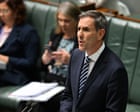
Australia's Treasurer Jim Chalmers has warned Australians that things will get a bit harder before they get easier, revealing that next month's budget update will show unemployment climbing above 5 percent alongside slower economic growth for the next two years.
In a ministerial statement during question time, Chalmers revealed what he described as 'concerning' economic numbers in the upcoming mid-year economic and fiscal outlook. Under the new forecasts, Australia's economy is expected to grow by less than 2 percent in both 2027 and 2028.
Alongside higher unemployment, high fuel costs mean inflation will slow from 4.7 percent now to only the mid-3s by the middle of next year — about 1 percentage point higher than anticipated in the May budget. 'We say with humility and with honesty that things might get a bit harder before they get easier,' Chalmers told parliament. He added that if Treasury were updating the mid-year forecasts today, they would reflect softer growth, higher inflation and higher unemployment.
News last week that the unemployment rate had climbed to 4.9 percent in October has heightened fears that the Reserve Bank's series of interest rate hikes is weighing more heavily than anticipated, and that the economy could tip into a deeper downturn next year. The full effect of the five rate hikes is likely to become apparent through 2027.
Chalmers promised that the mid-year budget update will include 'net savings' to assist in the battle against persistently high price pressures. 'It's not a mini-budget full of new initiatives but it will have some budget-sized savings. At this stage, we expect to more than offset our new spending decisions, without slashing and burning the services people rely on,' he said. He foreshadowed that new spending decisions — such as Monday's announcement that the $25 price cap on prescription medicine would be extended until the end of the decade at a cost of $242 million — would be more than offset by savings measures.
Shane Oliver, AMP's chief economist, predicted economic growth would slump from 2.3 percent to below 1 percent. 'We could flirt with recession next year,' Oliver said, putting the chances of a more severe downturn at a 'high and rising' 40 percent. Official figures on Wednesday are likely to show inflation climbing to nearly 5 percent, he added.
Chalmers said the government's short-term goal was cutting spending enough without threatening growth — an approach he described as 'a delicate balance.' He also argued that the mix of a weaker economy and 'big unavoidable spending commitments' meant bigger deficits in the later years, and that it would not be responsible to fully offset the big changes to revenue and payments that flow through automatically from weaker economic parameters.