Can patients take home body parts removed in surgery? Doctors explain the complicated rules
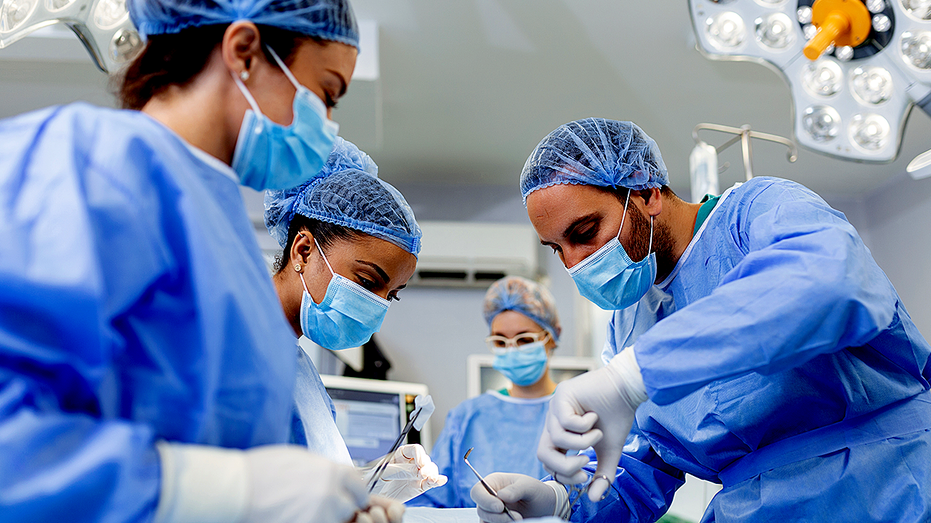
Most people want to forget their time on the operating table, but some patients insist on taking the body parts removed from them home as souvenirs. Hospitals usually throw removed tissue away as medical waste, yet a small number of patients ask doctors to pack up their organs, teeth and worn-out joints after surgery, according to a report in TIME magazine.
Doctors say patients want these keepsakes for many reasons, from marking personal milestones to honouring cultural traditions. Examples in the report included a patient who kept her removed uterus in a jar after a hysterectomy as a reminder of the pain she had survived, and another who dried her removed fallopian tubes to display in a box with flowers. Other saved items included a pulled wisdom tooth fashioned into a calligraphy pen and a piece of medical tubing saved from a hospital stay and later given to a future spouse.
Dr Robyn Power, a gynaecologic surgeon in South Florida, told TIME that only about five of her patients completed the paperwork to take tissue home over the past year, although more people are asking about it. She said patients living with painful conditions such as endometriosis sometimes want the removed tissue as physical proof of what disrupted their lives. In Power's words, "It means something different to everybody."
Taking a body part home, however, takes more than asking a surgeon in the recovery room. Dr Kenneth Perry, an emergency room physician based in South Carolina, told Fox News Digital that the rules surrounding who owns removed tissue vary widely. "As odd as it sounds, the ownership of tissue and other things removed from a person's body is actually not settled law," Perry said. "Each state and each institution will have its own views on how to handle different tissues."
In the emergency room, Perry said, doctors often let patients take home low-risk items such as passed kidney stones, salivary gland stones or splinters, as long as the objects are not tied to a police case, like a bullet. Larger organs or body parts carry more risk, because doctors must rule out infection or serious disease before releasing them. "For instance, if an extremity or an organ has been removed due to infection or bleeding, it is often required that it goes through pathology testing to ensure it is safe," Perry said. He added that for pregnancy-related tissues, such as a placenta or remains from a miscarriage, hospitals typically have different rules and separate steps for families who ask to take them home.
Some surgical patients have taken to Reddit to share their confusion and experiences with trying to keep removed body parts. One user, writing ahead of a hip replacement in Washington State, said a surgeon claimed state law rejected his request to keep the bone. "Seeing as the hip bone is coming from my own body, I don't understand why I cannot," the user wrote. The same user added, "My best friend's son got to keep one of his tonsils to take to school for show and tell."
Others pushed back, pointing to health hazards and hospital rules. "It's considered medical waste. Yes, bones can carry risks," one commenter wrote. Another user, who said they worked in pathology, wrote, "It really depends on the state laws, but most will not allow it. You can have a funeral home bury it if you like, but probably not take it home."