An Erasmus Mundus Scholarship to a Joint Master's Across Five Universities: One Bangladeshi Student's Journey to Europe
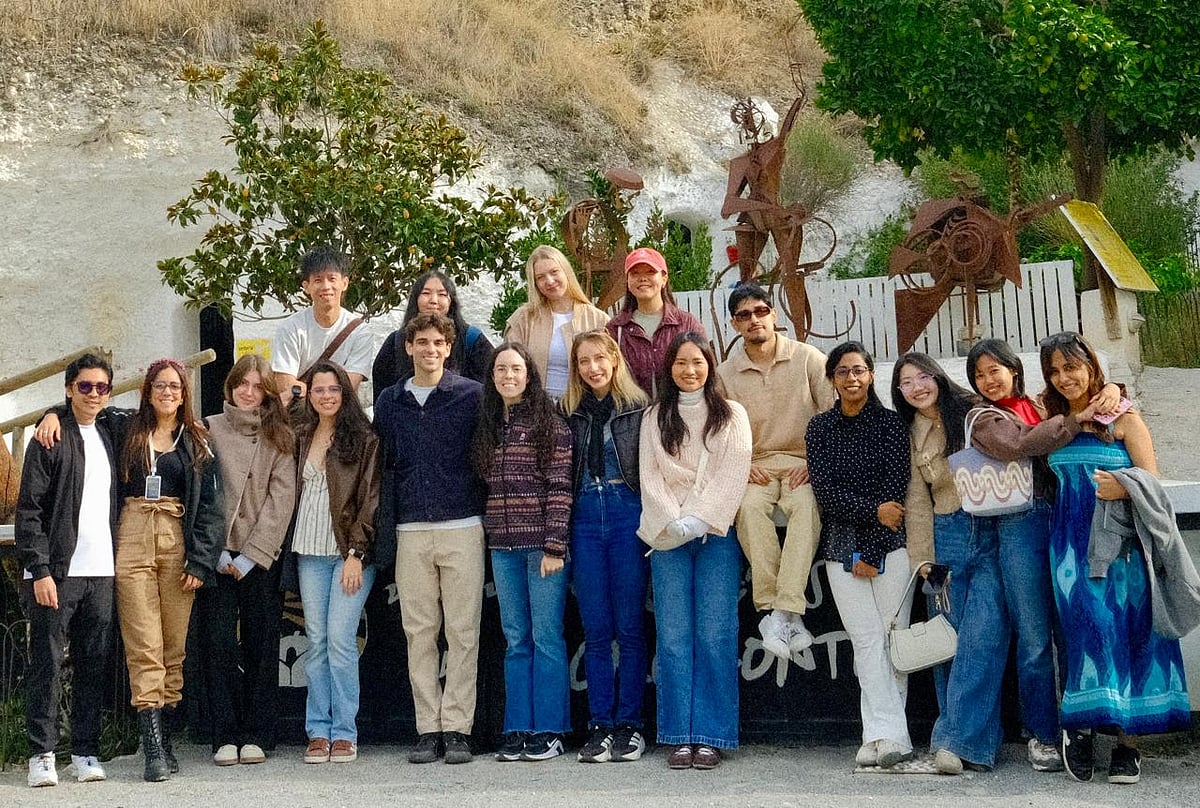
Having finished his studies at home, a Bangladeshi student is now studying at a university in Europe. He won the opportunity through an Erasmus Mundus scholarship. His programme is called 'Intercultural Leadership in the Digital Era' — it teaches how to lead teams made up of people from many countries and cultures in this technology-driven age.
The two-year master's is jointly organised by five universities: Poland's Nicolaus Copernicus University (NCU), Spain's University of Granada, Austria's University of Applied Sciences Upper Austria, Ukraine's Simon Kuznets Kharkiv National University of Economics, and Morocco's Hassan II University of Casablanca. In other words, Africa is part of the journey alongside Europe.
The journey began in the Polish city of Torun, with an integration phase for everyone at NCU, and from there to Granada. The programme has two tracks, so in the second semester the students will split into two groups — one going to Poland and the other to Austria. The student is now taking first-semester classes in Granada, Spain.
At home, he completed an honours degree in management at the University of Barishal. He then did an MBA in human resource management at Bangladesh University of Professionals (BUP). It was his wish to research the human side of organisations that brought him to Erasmus Mundus.
His preparation began about a year in advance, before the application portal had even opened. Gradually he wrote research papers and gathered work experience, while also searching for a programme. After finding this programme, he looked for someone who had applied there before but found no one, because his cohort is the programme's first batch.
To choose a programme, he went through the Erasmus Mundus catalogue asking two questions — whether the programme matched his previous studies, and whether he was genuinely interested in the subject. After deciding, he read everything he could find about the programme and, following the list of what applicants were asked for, prepared his documents one by one. Throughout the application, his main reliance was the programme's website.
Every part of the submitted documents carries marks, and the interview carries marks too; candidates are selected on those marks. Applicants can see their own marks on the application portal itself.
For those who will apply next time, he has two pieces of advice. First, start early — rather than waiting for the portal to open, find which programme fits and learn what is required, then prepare gradually, because a research paper, work experience or a good recommendation letter cannot be produced in a day. Second, present yourself properly — the CV, motivation letter and experience should make it clear why the programme is right for the applicant, and why the programme needs them too.
In his words, Erasmus Mundus is not some distant dream; with time taken to prepare, it is within reach. So he advises applicants not to rule themselves out before applying, and to leave the selection to the committee.