A forest surviving inside concrete Dhaka: 1,042 plant species across 208 acres at the National Botanical Garden in Mirpur
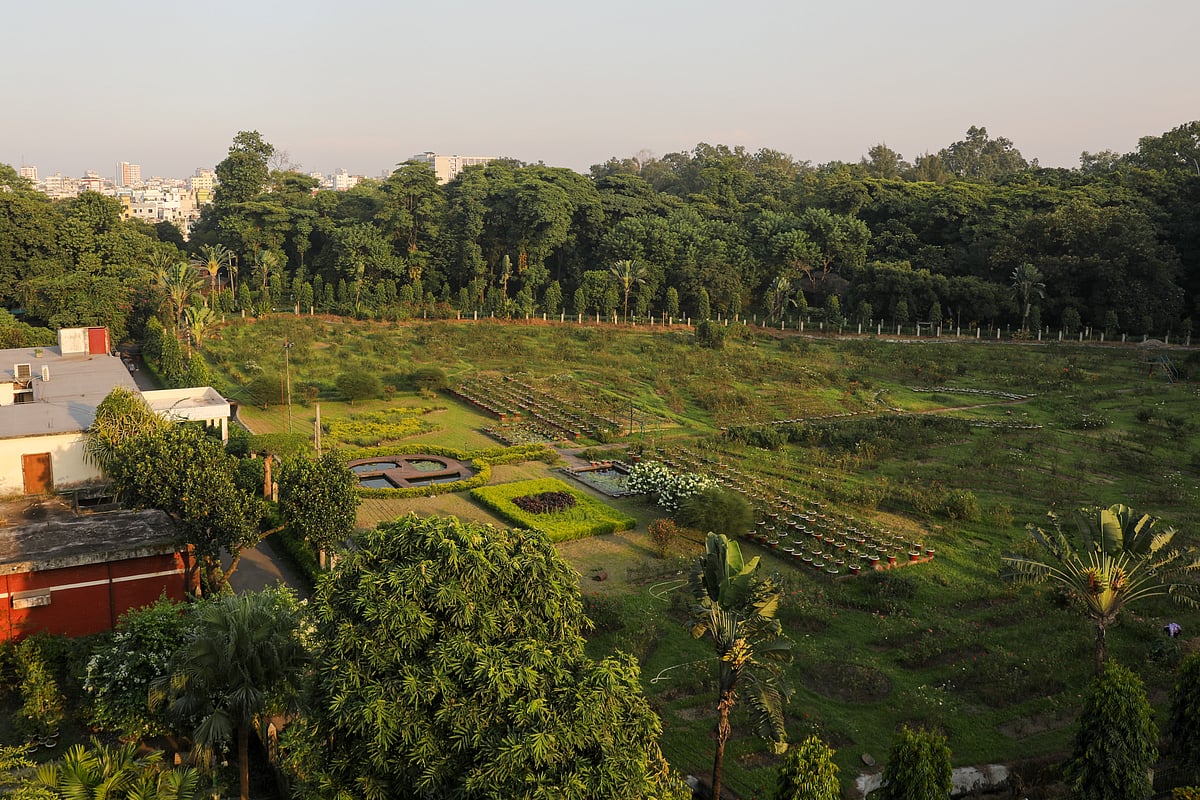
Trees everywhere, great canopies and ponds in one place, flowers of many colours in another — yet the place is in Mirpur, Dhaka. Stepping into the National Botanical Garden in this concrete city feels like entering a small forest that has survived inside the capital.
The garden, also known as the Botanical Garden, stands in Mirpur, about 14 kilometres from the capital's Zero Point. It covers 208 acres and formally began its journey in 1961.
According to the garden authorities, it holds 1,042 species of herbs, shrubs, trees and aquatic plants — 513 native species and 529 foreign ones. In all, the garden has roughly 80,000 trees.
On 13 October, gardener Abdul Alim spoke at one of the garden's nurseries. He has worked here for 35 years. Asked what trees the garden has, he laughed and replied that one should rather ask what tree it does not have — every kind of tree can be found here, and such a green place still survives in Dhaka city.
The garden is arranged in 57 sections, including a rose garden, a seasonal garden, a cactus house, an orchid house, a fern house, a water-lily pond and a lotus pond. It has 11 water bodies and two nurseries.
Besides Bangladesh, plants have been collected here from India, Nepal, Malaysia, Mexico, Brazil, South Africa and other countries, acclimatised to the local climate, with regular propagation arranged. Notable trees include akashmoni, mangium, baobab, kalo koroi, raintree and bailam.
Plant conservation is the garden's main goal. It also works to create opportunities for research and education on plants and wildlife, ensure safe habitat for wild animals, protect ecological balance and reduce environmental pollution, and it helps shield city residents from the adverse effects of climate change.
The garden's director, Shawkat Imran Arafat, said the environment of the garden has improved after long effort; teamwork and regular supervision have removed any security crisis, security receives the highest priority, and visitors are reaping the benefit.
Professor Mohammad Jashim Uddin of Dhaka University's botany department said a person needs seven trees, yet research shows Dhaka has only one tree for every seven people. In his words, the city's gardens can be compared to lungs — trees not only give oxygen, they also reduce environmental pollution.
Professor Jashim Uddin added that trees from different regions of the country should be preserved here, where they can serve as mother trees, because historic trees in many areas are disappearing.
Many people visit the garden every day — some to see the plants, some to rest a while. With open space scarce in Dhaka, some bring their children; visitors say being in nature away from the city's noise brings a distinct peace of mind.
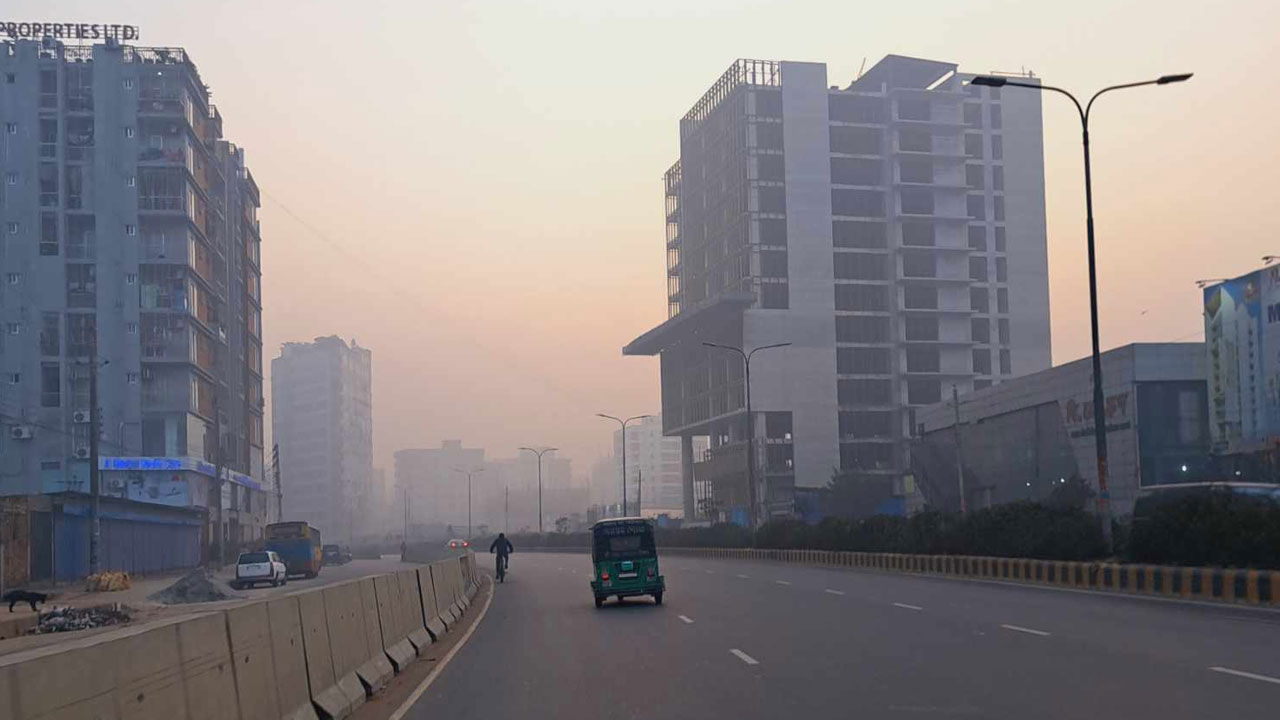
As the capital steadily turns into a city of concrete, with high-rises rising one after another and greenery shrinking, experts say the importance of this garden has grown further under the pressure of unplanned urbanisation, making its proper conservation essential.