
Energy Bills in Great Britain to Rise 26% in January, Annual Bills to Pass £2,000
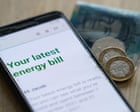
Gas and electricity prices in Great Britain will rise by 26 percent from January. The increase will take effect under the government's new price cap. After a rise in wholesale gas prices, regulator Ofgem's price cap is set to climb for a third straight quarter.
Millions of British households will therefore face annual energy bills of more than £2,000 for the first time since Russia's invasion of Ukraine. Ofgem said about 22 million households covered by the price cap would need to pay an average of £2,166 a year for gas and electricity from the new year, up from £1,723 under the current quarterly cap.
The increase means the average household will be forced to pay almost £600 a year more on its dual-fuel bill than before the start of the Middle East crisis. There was a 4 percent rise at the start of October and a 13 percent increase at the start of July.
About a third of households that pay for gas and electricity on fixed tariffs will not be affected by the latest price cap rise. However, the highest energy price cap since early 2023 is still expected to reignite calls for the government to help struggling families and reduce reliance on fossil fuels.
The cap is a limit on how much energy suppliers can charge for a unit of electricity or gas, not a ceiling on how high bills can rise.
The government has promised to give breathing space to struggling households this winter through a one-off payment of £100 in January for 20 million households in council tax bands A to D. The payment will be in addition to the warm home discount, which offers about 6 million means-tested households in England, Wales and Scotland £150 off winter fuel bills.
A further small rise in energy bills is expected in April, according to forecasts from Cornwall Insight. The energy consultancy said market volatility caused by disruption to the Strait of Hormuz meant its predictions could change several times in the coming months.
Europe's benchmark gas price has tripled in response to a global supply squeeze, which meant the continent entered the cooler months with gas stores at some of the lowest levels ever recorded. According to Goldman Sachs, the price could climb even higher if disruption to Gulf gas exports causes storage facilities to empty before the end of the heating season.
Ministers have sought to cushion the blow by moving electricity levies into general taxation over the past year, which has shaved about £150 a year off costs. The Treasury also promised to keep the 5 percent VAT levy off electricity bills for 29 million households until July next year, which should extend the tax relief to £50 a year.
