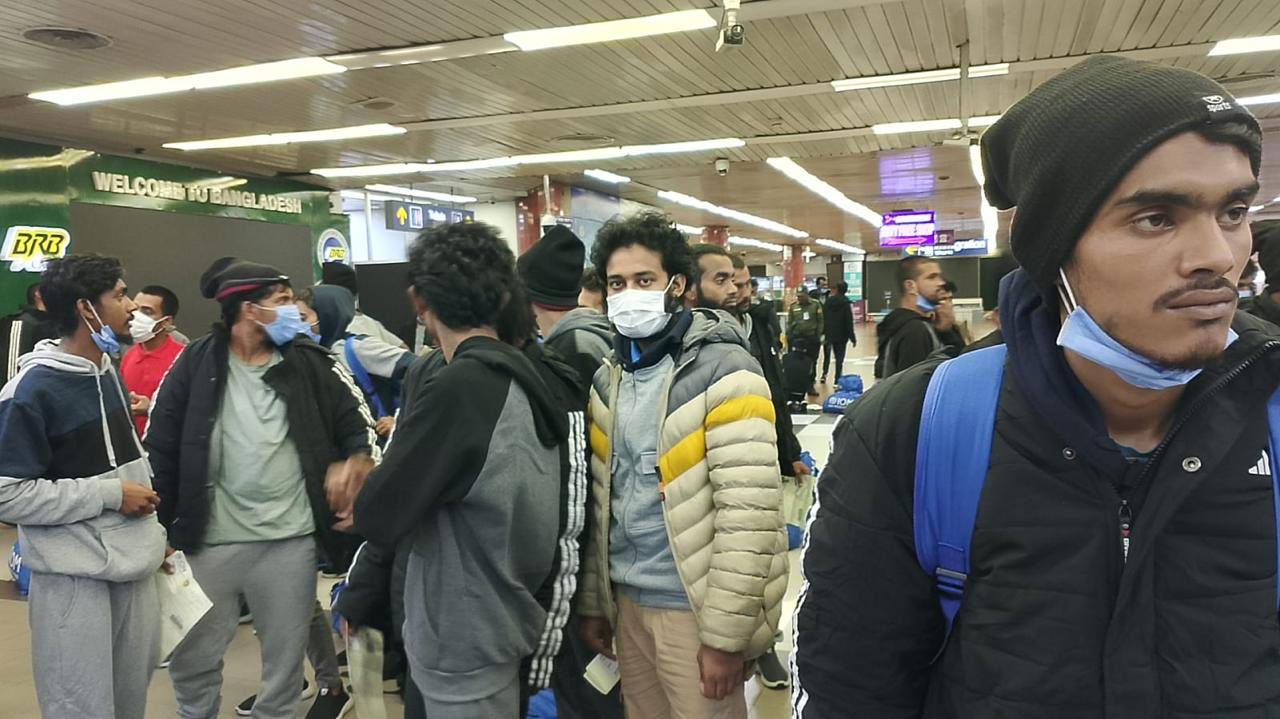
52 of 85 migration fraud complaints still unresolved, compensation only a fraction of costs: OKAP
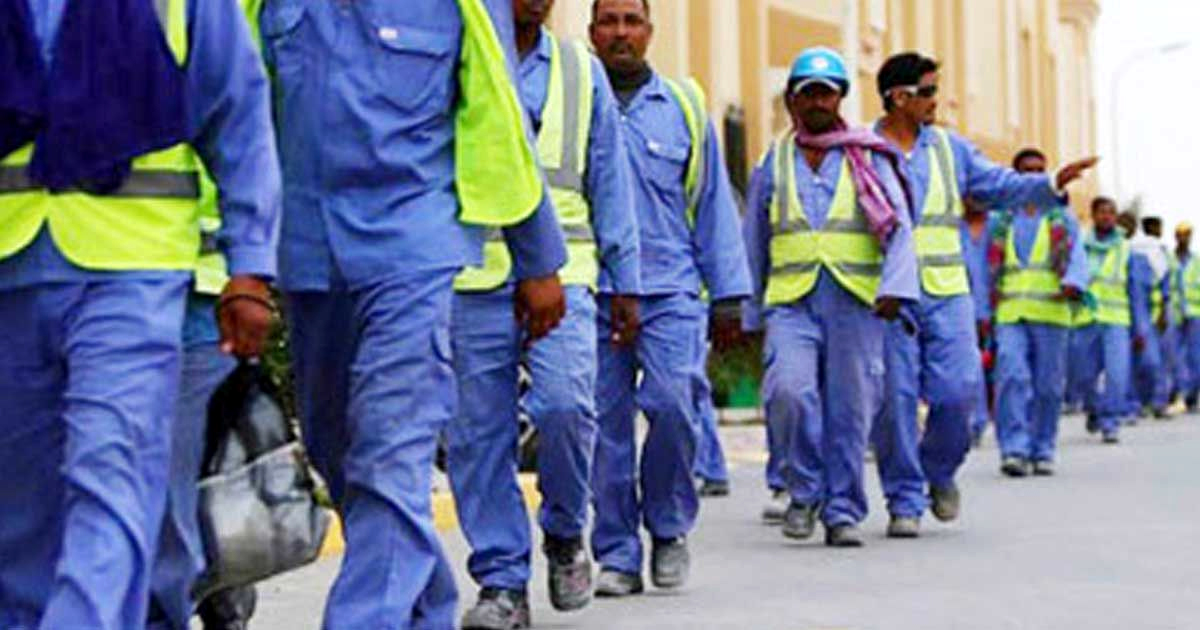
Of 85 complaints filed by migrant workers who were cheated abroad, 52 are still awaiting resolution. Twenty-eight complaints have been settled and the proceedings of five have been closed. The picture emerged in a study by the Ovibashi Karmi Unnayan Program (OKAP).
The research report, titled "Justice by Procedure? Why Migrant Workers Need Binding Justice, Not Mediation", was released on Wednesday at a hotel in the capital.
According to the report, migrant workers who fell victim to recruitment fraud and exploitation abroad seek redress through the arbitration system of the Bureau of Manpower, Employment and Training (BMET), but as compensation they recover only a small part of their migration costs. Through arbitration, male workers have recovered on average only 15 percent of their total migration cost, and female workers 12 percent. As a result, many remain burdened with debt and financial loss even after receiving redress.
The study found that male workers spent an average of 458,000 taka to go abroad, while the average migration cost for female workers was 31,900 taka. In half of the 28 settled complaints, complainants received between 30,000 and 50,000 taka in compensation. Most female workers who received compensation got between 15,000 and 30,000 taka. In one case, however, a female worker was awarded the highest compensation of 145,000 taka.
The study reviewed 85 complaints filed with the BMET arbitration system between November 2024 and June 2026. Of the complainants, 50 were men and 35 were women. About 86 percent of them had travelled to Saudi Arabia through legal channels.
The report also highlighted the long delays in resolving complaints. Although hearings are supposed to be arranged within 30 working days under the rules, in 44 percent of complaints the proceedings took up to 12 weeks even to begin. And 29 percent of complainants were never called for a hearing at all.
In none of the 85 complaints reviewed did the study find evidence of a separately documented investigation. In other words, the existing system relies more on hearings and compromise than on formally verifying the truth of a complaint. The report said that without investigation, it becomes difficult to assign responsibility when a recruiting agency denies liability, when informal sub-agents or brokers are involved, or when workers lack the necessary documents.
Presenting the findings, OKAP chairperson Shakirul Islam said the existing complaint resolution system plays a greater role in brokering compromises between migrant workers and recruiting agencies than in providing legally binding solutions. Agencies hold more bargaining power in this process, while financially insolvent workers, many of them from distant areas, remain in a weak position.
He said recruiting agencies stay absent from hearings without any fine or punishment. Workers, on the other hand, come under pressure to accept settlements that are not enough to cover their recruitment costs, unpaid wages, loans and other financial losses. Several workers also complained of pressure, harassment and disrespectful behaviour during mediation.
The study documented various forms of fraud and exploitation before and after departure. Ninety-one percent of complainants said they had not received the legally mandatory employment contract before leaving the country, and 72 percent received no written contract even after reaching their destination. For 62 percent of male workers, there was a major mismatch between the promised job, the profession stated on the visa and the work actually given. Thirty-two percent of workers did not receive a work permit. Overall, 78 percent of workers reported job-related fraud, 68 percent wage fraud and 42 percent exploitation.
The situation of female domestic workers is more alarming. All of the female workers surveyed said they had suffered wage exploitation. In addition, 97 percent reported mental abuse, 77 percent physical abuse and 89 percent experiences of confinement or isolation. The study also found that 40 percent of complainants were forced to return home within six months of migration, before their initial contract period ended. Some female returnees also faced family rejection and social stigma.
The OKAP report noted that the Overseas Employment and Migrants Act, 2013 provides legal remedies including criminal punishment against recruitment fraud and forgery. But the administrative complaint process places more emphasis on mediation and compromise than on investigation and accountability. The organisation recommended strengthening the investigation system, ensuring neutrality in complaint resolution, formulating a structured compensation policy and putting effective mechanisms in place to implement decisions, so that migrant workers receive effective redress.
Speakers in the first session of the event included Premangshu Shekhar Sarkar, project director of the SIMS-2 project of Helvetas Swiss Interco-operation Bangladesh; Mohammad Gazi Salauddin, deputy director of the National Human Rights Commission; Rahnuma Salam Khan, national programme manager of the ILO Dhaka office; and Erifa Sultana, international co-operation adviser of Caritas Finland. The session was moderated by OKAP programme coordinator A A Mamun. The second session, on strengthening access to justice, was joined by BMET director (employment) Md Masud Rana, IOM Bangladesh head of protection Sadia Aleem and Wage Earners' Welfare Board director general Md Asaduzzaman. The chief guest was Ahmadul Haque, additional secretary of the Ministry of Expatriates' Welfare and Overseas Employment.