US pressed Iraq and Venezuela to quit OPEC, raising risk of a split in the oil alliance
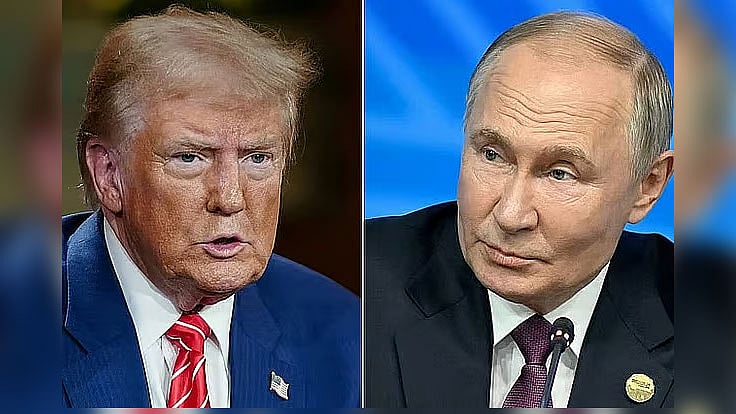
The administration of US President Donald Trump pressured Venezuela and Iraq to consider leaving the oil producers' alliance OPEC, according to a Reuters report on Friday citing 10 sources familiar with the matter. Venezuela was also blocked from paying its annual OPEC membership fee.
The moves, targeting two of OPEC's five founding members, had not been reported before. Trump has long accused OPEC of artificially keeping oil prices high. People familiar with the matter said US officials at the time were encouraging both countries to raise oil production and investment, and feared OPEC's production limits could obstruct those plans.
US pressure on Venezuela grew so intense that Saudi Crown Prince Mohammed bin Salman intervened this summer. Through his efforts, the Trump administration agreed not to press the issue further, two people familiar with the matter said.
Iraq's Prime Minister Ali Faleh al-Zaidi raised the possibility of leaving OPEC at a government meeting this summer after talks with US officials. The country's oil ministry, however, advised him to stay in OPEC and, if necessary, seek a larger production quota.
In January, after Nicolas Maduro was removed from power, the United States took control over the use of Venezuela's state funds. Iraq's oil sale revenues, meanwhile, are still deposited in an account at the Federal Reserve Bank of New York, an arrangement introduced after the US invasion of Iraq in 2003.
The US State Department did not directly answer questions about blocking Venezuela's membership fee payment. It confirmed, however, that Washington has the authority to decide how Venezuelan state funds under US control are used.
A State Department official said lower-level US officials may have raised the subject of leaving OPEC with the Venezuelan government, but that it was not part of senior-level discussions. Talks with Iraq, the official said, concerned developing energy infrastructure and increasing production and transport, not OPEC. OPEC and the governments of Venezuela, Iraq and Saudi Arabia did not comment.
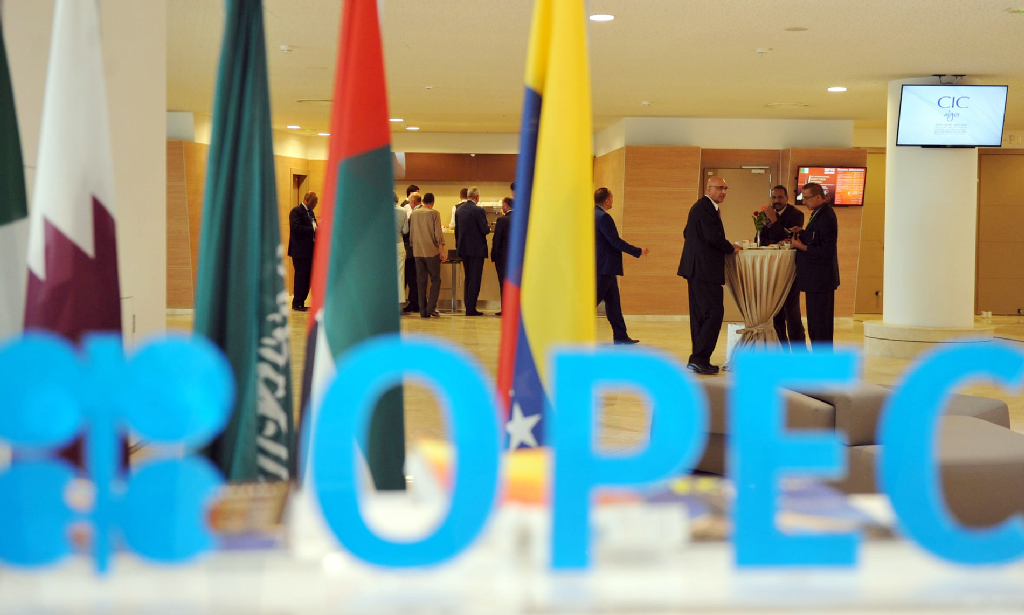
OPEC was founded in Baghdad in 1960 by Iraq, Iran, Saudi Arabia, Kuwait and Venezuela. The alliance now has 11 member countries and has also formed the OPEC+ alliance with Russia and several other countries. As the world's largest oil producer, the United States is now OPEC's market rival. Trump has long criticised the organisation as a cartel and a monopoly.
OPEC's membership fee is about 2.8 million euros, or $3.08 million, a year. The money pays for the staff, research and travel costs of the organisation's secretariat in Vienna. Washington argued that Venezuela's money could be spent on more important things. Two OPEC sources, however, said there is no plan to expel the country for non-payment of fees.
Earlier this year, the United Arab Emirates announced it was leaving OPEC, dissatisfied with production limits. Before that, Angola left in 2024, Ecuador in 2020 and Qatar in 2019. There is no indication of US involvement in those decisions. Dan Alamariu, chief geopolitical strategist at Alpine Macro, said: "The risk of an OPEC breakup is rising."
Venezuela is currently exempt from OPEC+ production quotas. Sanctions and mismanagement have driven its output down from historic highs; in September the country produced about 1.2 million barrels of oil a day. State oil company PDVSA wants to raise production to 1.5 million barrels by the end of next year.
In 2017-2018, Venezuela's production quota was about 2 million barrels a day, and one person familiar with the matter said the country is unlikely to return to the quota system until output reaches that level again. Parts of Iraq's ruling coalition also favour leaving OPEC and OPEC+, believing the two alliances are run under Saudi and Russian dominance. There is, however, no evidence that Baghdad was blocked from paying its membership fee.
This year, the United States threatened to cut Iraq off from its oil sale revenues if it failed to reduce Iran's influence in the Iraqi government. Meanwhile, the US Government Accountability Office began an investigation in July into how Venezuela's oil revenues are being managed. The Trump administration says the money is being spent on the needs of the Venezuelan people, public employees' salaries and emergency services.