Garment orders shift from Bangladesh to India: Zara and H&M among brands moving over $250m in orders
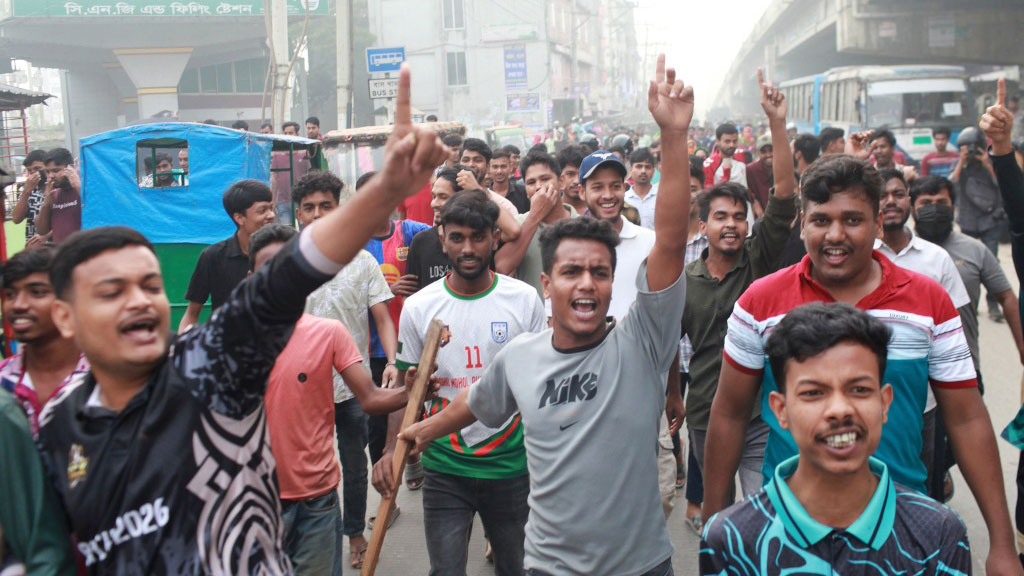
Major global fashion brands are moving garment orders out of Bangladesh because of labour unrest, disrupted production and rising production costs. International brands such as Zara and H&M moved about 10 percent of their monthly orders from Bangladesh to other Asian countries in the first half of November. The largest share of those orders is going to neighbouring India.
Reuters reported on Friday (27 November), citing factory owners, that between 1 and 18 November about $254 million worth of garment orders were transferred out of Bangladesh to other countries. One of the main pillars of Bangladesh's economy now faces a major challenge, and industry insiders fear the orders may not return even after the current unrest subsides.
According to the Bangladesh Garment Manufacturers and Exporters Association (BGMEA), production losses from the labour unrest have so far exceeded $400 million. The ready-made garment sector accounts for more than 80 percent of the country's total export earnings, and the industry is linked to about 40 percent of productive employment in the country.
Alongside India, orders are also going to Vietnam, Cambodia and Indonesia. International buyers are looking for alternative production centres to reduce supply-chain risk and ensure products are delivered on schedule.
According to factory owners, international brands including Zara, H&M, Marks & Spencer and Celio have moved orders out of Bangladesh. Several of the brands concerned did not comment on the matter.
Meanwhile, on Wednesday the Bangladesh government decided to raise garment workers' minimum wage by 36 percent — the smallest wage increase in four decades. Workers had demanded that the wage be more than doubled. There were also clashes between police and workers over the new wage announcement. However, Labour and Employment Ministry secretary Abdur Rahman Tarafdar described the increase as satisfactory and expressed hope that workers would return to work from Saturday.
Industry owners say the wage rise will further reduce Bangladesh's labour-cost competitiveness compared with India. Alongside that, an energy crisis, rising raw material prices and political uncertainty are disrupting production.
BGMEA director M Mohiuddin Chowdhury said buyers are pressing to lower product prices on one side, while workers' wages and production costs are rising on the other. As a result, staying competitive is becoming difficult.
Production and delivery lead times have also become a major challenge for Bangladesh. Mohiuddin Chowdhury said an order takes about 120 days to produce and deliver in Bangladesh, while in India, Vietnam and Cambodia it is possible within 60 to 90 days. India saves about a week, and Vietnam and Cambodia save up to 15 days.
Alps Apparels Group managing director Khan Monirul Alam said most of his buyers have stopped placing new orders since 1 November. Some orders have been moved to other countries, and some have been postponed or cancelled.
Analysts say restoring normal production and regaining the confidence of international buyers is now the main challenge for Bangladesh's garment industry. If the situation does not improve, orders moved temporarily could turn into a long-term shift of business.