Russian Sabotage in Europe Rose 16 Percent, IISS Warns of Risk of Major Loss of Life
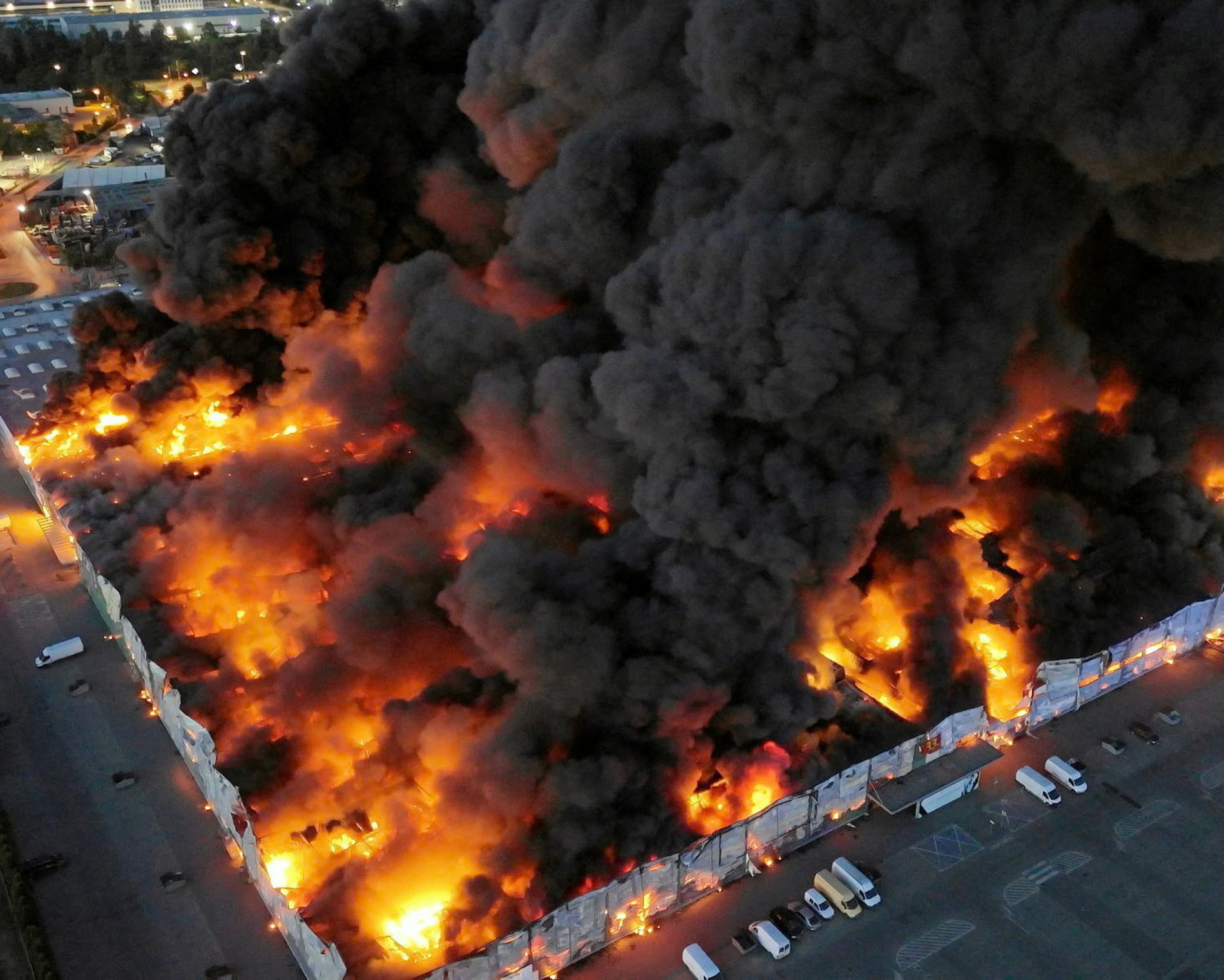
Russian sabotage activity in Europe is steadily increasing. The International Institute for Strategic Studies (IISS) has warned that, as Russian intelligence agencies and their collaborators target Europe's critical infrastructure, a risk of major loss of life has emerged.
The report said a miscalculation in any attack could lead to retaliatory strikes between Europe and Russia and a wider spread of the conflict.
According to the IISS report, Russian intelligence agencies and their collaborators are carrying out sabotage against railways, energy networks and the defence industry in various countries in order to weaken European support for Ukraine. Russian sabotage activity has risen by 16 percent in the past 12 months, while incidents involving arson and explosives have doubled over the same period.
The report said most sabotage still uses comparatively low-skilled individuals. However, a more skilled group is carrying out attacks using more complex methods, including improvised explosives fitted with timers and remote detonation, increasing the risk of major loss of life.
Germany and Poland were identified as the main targets of Russian sabotage because of their importance in supplying military and other assistance to Ukraine. Attacks on critical infrastructure accounted for more than half of all incidents in the past year.
Between October 2025 and September 2026, 29 sabotage incidents linked to Moscow were recorded in Poland, including an explosive attack in November 2025 on a railway line used to send supplies to Ukraine.
In Leipzig, Germany, on 4 August an explosives-laden drone was found near an Antonov cargo aircraft used to transport Ukrainian military equipment. Investigators believe a second drone may have collided with a DHL cargo aircraft a short time later.
The IISS said Europe's major challenge now is to build a coordinated security strategy instead of isolated national efforts. A major loss-of-life incident could raise demands for retaliation, which would deepen disagreements among European Union countries.
Moscow, meanwhile, has consistently rejected allegations of Russian involvement in drones, cyber attacks, arson and explosions across Europe.