38 acts of sabotage on the railways in 13 days: 2,000 Ansar and 500 battalion Ansar to guard the network for two months
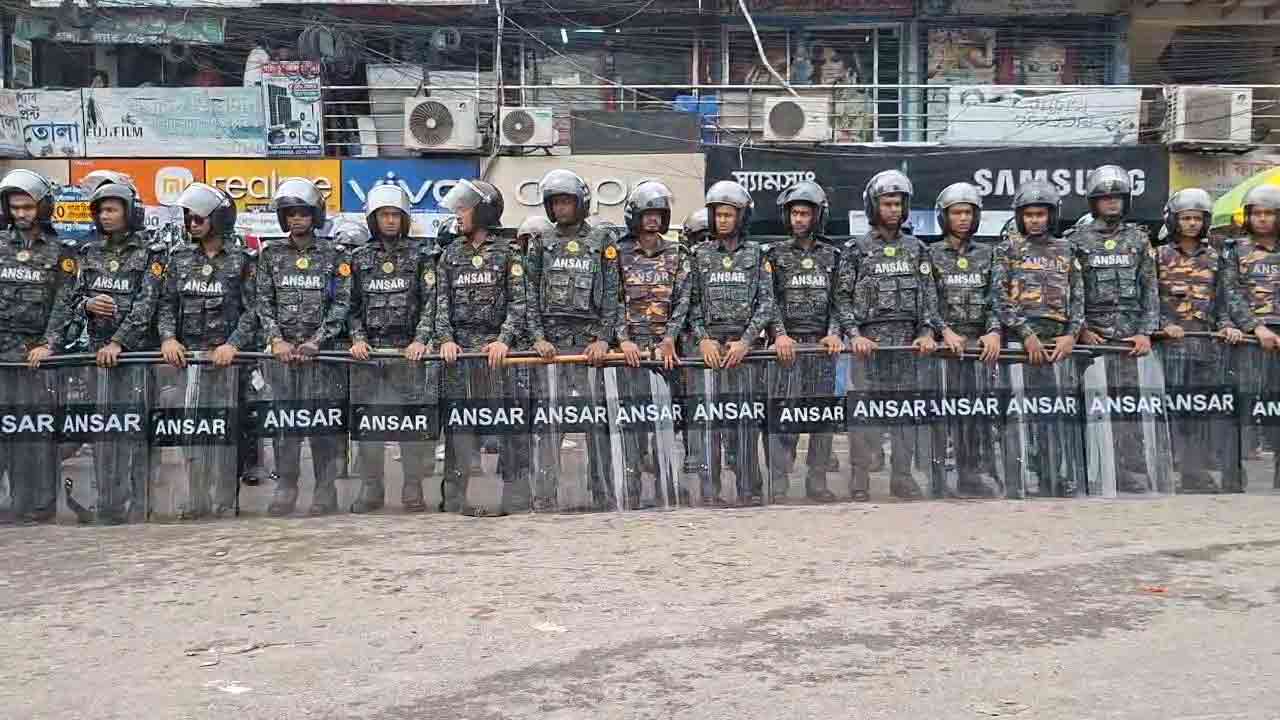
Mounting acts of sabotage on the railways have raised concern over the safety of passengers, trains and key railway installations. To prevent sabotage and strengthen security on the rail network, the Ministry of Railways has proposed deploying 2,000 Ansar members and 500 battalion Ansar members for two months, December and January.
According to figures presented at a ministry meeting, 38 acts of sabotage took place in just 13 days, from 9 to 21 November — 21 in the railway's eastern zone and 17 in the western zone. That is an average of almost three incidents a day. So many incidents in such a short time have also raised questions about the effectiveness of the existing railway security arrangements.
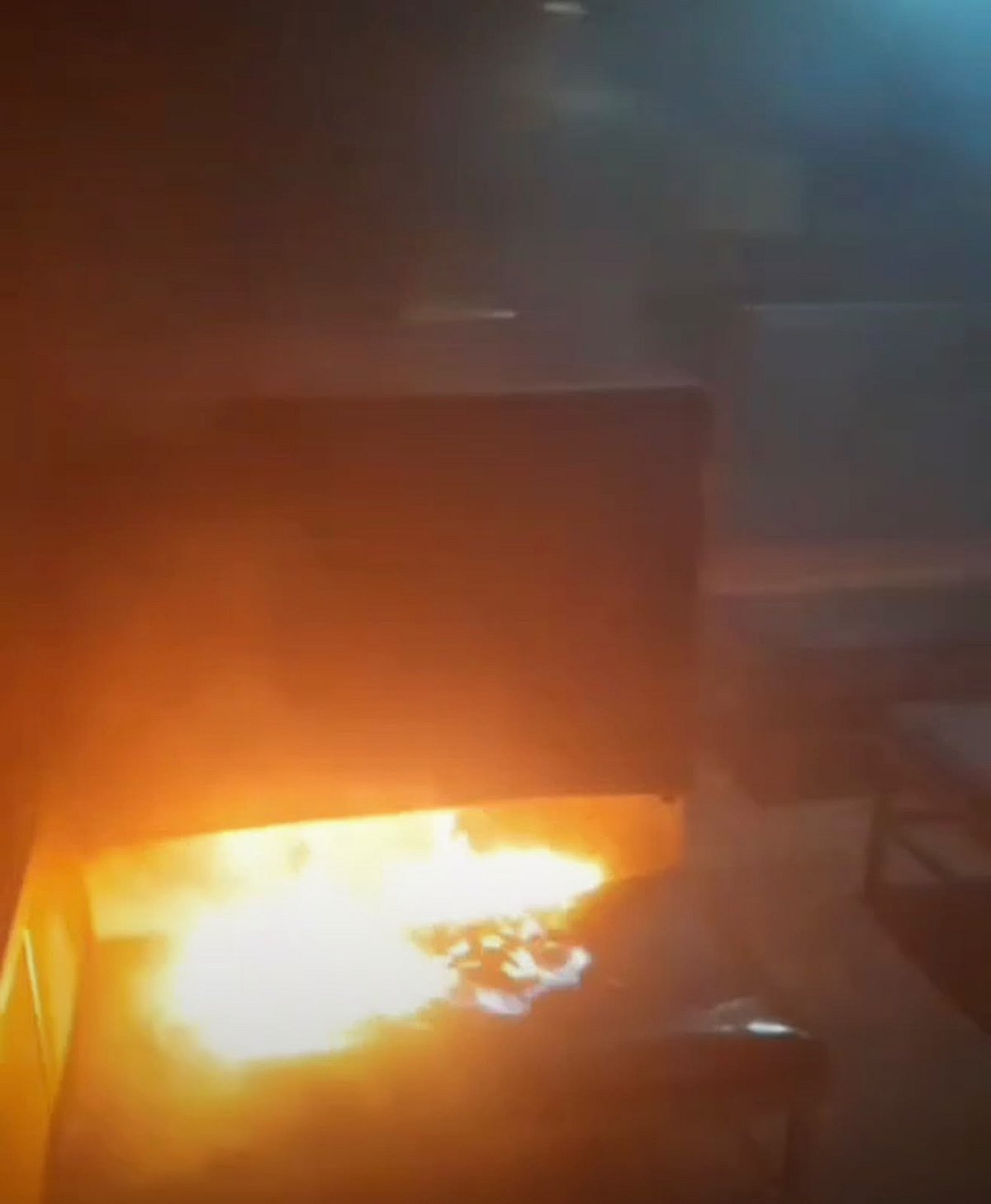
Most recently, on Saturday (28 November) at around 11 pm, miscreants set fire to a coach of a Dhaka-bound mail train near the railway station in the Kadamtali area of Chattogram city, burning two seats of the coach. Concern has been expressed that acts such as loosening the nuts, bolts and fishplates of rail lines or setting trains on fire could cause a major accident and heavy casualties among passengers.
A special law-and-order meeting was held at the Ministry of Railways last Thursday to decide what must be done to protect passengers and the railway's sensitive installations and lines. The proposals were presented at that meeting. Under its decisions, a letter has already been sent to the Ministry of Home Affairs requesting the deployment of 2,000 Ansar members, while the Railway Police has written to Police Headquarters seeking 500 battalion Ansar members.
Railways Secretary Md Fahimul Islam said: 'We have given a plan to deploy 2,000 embodied Ansar members. They have been deployed in line with that plan. And 500 battalion Ansar members will work with the GRP. They have been deployed since Saturday. They will perform duties at stations and designated areas adjoining stations under the direction of the railway's Divisional Railway Managers (DRM) and the Railway Security Force.'
On the 38 acts of sabotage in November and the weaknesses in railway security, Secretary Md Fahimul Islam said: 'The political situation may be one reason. These incidents have happened sporadically at various places. There was no deficiency in our security. Even so, we are deploying additional security personnel as a precautionary measure.'
Alongside the extra manpower, special importance has been given to station entrances. Under the proposals, additional law-enforcement personnel will be deployed at every station in the country. Passengers' bags and luggage are to be checked with X-ray scanners or metal detectors at main entrances. There is also a proposal to install CCTV cameras quickly at important stations and to repair existing cameras that are out of order.
The proposals also call for closing the railway's unprotected boundary walls and unauthorised entry points. When a train is at a station, in a yard or waiting during a break, responsibility for its security is to be handed over properly and the duty records kept in a logbook. Following the 1985 Security Manual has been emphasised in this regard.
Intelligence surveillance is to be increased to prevent attempts to cause accidents by loosening the nuts, bolts and fishplates of rail lines. Round-the-clock joint patrols are proposed to stop violence and sabotage by miscreants in disguise. Greater coordination between the Railway Nirapatta Bahini (RNB) and the Railway Police (GRP) has been stressed, and railway officials and staff, RNB and GRP members on duty on moving trains are to be instructed to remain more alert.
The fire risk to trains and railway installations has also been taken into account alongside sabotage. The proposals include checking the functionality and expiry of fire extinguishers at stations, on trains and at installations, and regular firefighting and rescue drills for railway employees and RNB and GRP members so that a fire can be brought under control quickly.
The proposals further include clearing bushes around railway installations and ensuring adequate lighting. Quick Response Teams and striking forces are to be kept ready at trains and stations to act as soon as there is news of sabotage or terrorist activity, local public representatives and notables are to be involved, and public awareness is to be raised through media campaigns. Bangladesh Railway, the Railway Police, the RNB, Police Headquarters, the Ansar and Village Defence Party and the relevant intelligence agencies are to be given responsibility for implementing the measures.
However, transport expert Professor Shamsul Haque of the Department of Civil Engineering at the Bangladesh University of Engineering and Technology (BUET) said: 'Security cannot be ensured by temporarily increasing manpower. The weaknesses in the existing railway security system must be identified and regular surveillance and an effective permanent system must be built.'