Saving for a child's higher education from birth: Tk 3,000 a month could grow to about Tk 1.4 million in 18 years
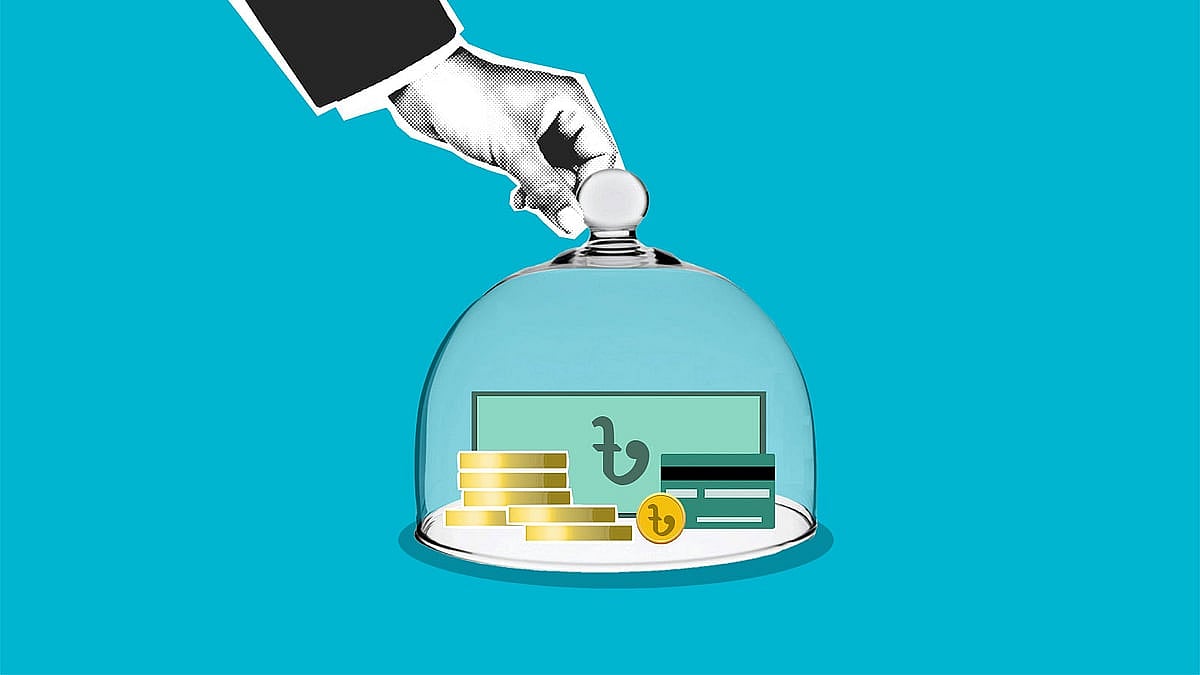
As a child grows, the cost of their education keeps rising. Expenses start increasing as soon as a child is admitted to secondary school. A middle-class family spends several thousand taka a month on each secondary-school child. The amount keeps growing up to university level.
To study at a private university, a large sum is needed for admission, tuition fees, housing, books and other costs. If there is a plan to send the child abroad for study, the expense will rise further. But with planned saving, it is possible to meet this cost even on a limited income.
That is why the wisest course is to start saving little by little from the child's birth. Even if a large amount cannot be saved each month, regular saving over a long period can eventually turn into a big sum. In this case the most important thing is not the amount saved but building the habit of saving regularly.
Suppose a parent starts saving Tk 2,000 a month from the child's birth. Even without any interest or profit, the total deposit in 18 years will be Tk 432,000. Similarly, saving Tk 3,000 a month will amount to Tk 648,000 in 18 years. And saving Tk 5,000 a month will make it Tk 1,080,000.
A major benefit of long-term investment is compound profit. Alongside the principal deposit, profit is later earned on the profit gained in earlier periods as well. As time passes, the prospect of the fund growing increases.
For example, if someone invests Tk 3,000 a month for 18 years and receives an average annual profit of 8 percent, they could receive about Tk 1.4 million at the end of the term. Their deposit in this case will be Tk 648,000, and the rest will come from the possible profit on the investment. Similarly, investing Tk 5,000 a month could make the fund about Tk 2.33 million after 18 years. However, the 8 percent profit rate here is assumed only to explain the calculation; in reality it may be higher or lower.
A bank DPS is a familiar means of regular saving. A fixed amount is deposited every month and a lump sum is received at the end of a fixed term. If income is limited, it is possible to start with a small DPS. But before opening an account, one should learn about the profit rate, the maturity amount, the rules for early encashment and taxes.
If a lump sum is at hand, it can be kept in a term deposit. Interest is paid under the contract when money is kept for a fixed term. The deposit term can be set to match the child's likely time of education. Fixed deposits of one year or more carry interest of 8.25 to 8.50 percent.
For those who want to invest at comparatively low risk, savings certificates can be considered, subject to eligibility, investment limits and prevailing rules. But before buying, the current profit rate, taxes and encashment conditions need to be checked. The profit rate on investment in savings certificates ranges from 11.77 percent to 11.98 percent.
Education insurance is a combined arrangement of long-term saving and financial protection for a child's higher education. The parent pays premiums over a fixed term. At the end of the term, the child receives the insurance money and bonus. If the parent dies, many policies waive future premiums and provide financial support for the child's studies.
Saving and investment should be planned considering the child's age. When the child is young, there is more scope for long-term investment. As income grows, the amount saved can be increased by 5 to 10 percent every year. A part of any bonus can also be kept in the education fund. Alongside this, the target for future education costs must be set taking inflation into account.
Most importantly, instead of saving after spending everything, one must first decide how much will be saved. The most common rule of saving is to set aside 20 percent of income first and spend the rest. With such planned saving, the necessary savings are possible even on a limited income.