Families in Sudan Wait Years Searching for the Missing, With About 11,000 Names on the ICRC List

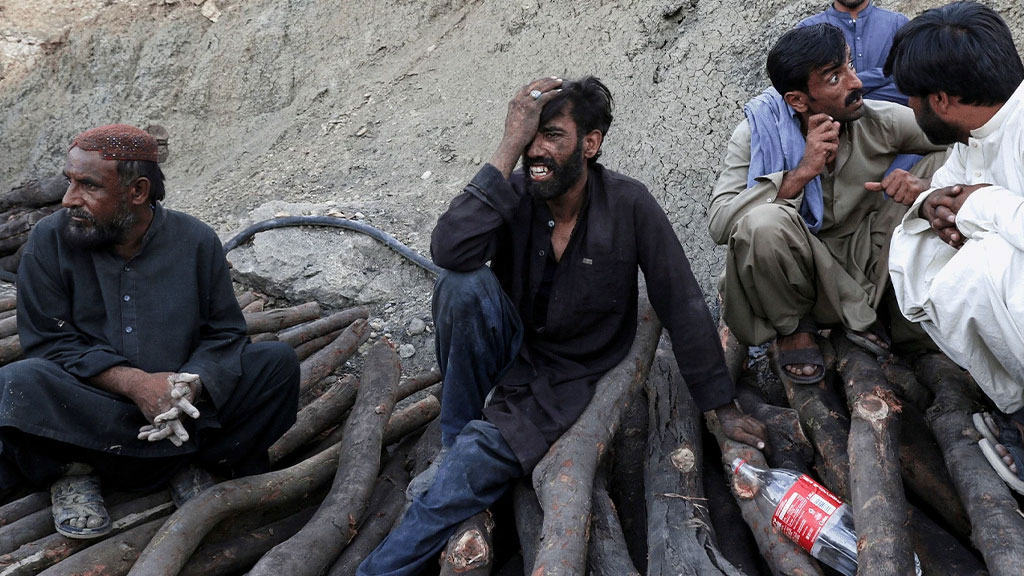
Thousands of families in Sudan have spent months, and in some cases years, searching for relatives who went missing during the war. Displacement and detentions have torn countless families apart.
Hussam Sid Ahmed, 27, from Khartoum, has been looking for his mother for more than 100 days. His mother, Omaima Mohamed, 53, disappeared in Khartoum in mid-August with no warning or reason.
Sid Ahmed told Al Jazeera it was a normal day. They had breakfast together, he went out and his father went to work as usual. When they returned, they could not find her.
He said his mother was psychologically sound and had never disappeared before. He is her only son and has four sisters. Their lives have been turned upside down since she went missing, he said.
His search took him to the border town of Al-Rank in South Sudan, where he received word of multiple sightings of her in October. The trail then went cold, forcing him to resume his search elsewhere.
Sid Ahmed said some people reported seeing her in Eastern Nile province, while others reported seeing her near the border with South Sudan. He went to many places across Khartoum, Bahri, Omdurman and even South Sudan, and sent people to places he could not reach himself. He said he will not give up.
The war between the Sudanese armed forces (SAF) and the Rapid Support Forces (RSF), which broke out in April 2023, has seen the collapse of law and order, displaced about 13 million people and killed tens of thousands.
The International Committee of the Red Cross (ICRC) said it has registered about 11,000 active cases of missing people in Sudan, including more than 9,000 documented cases since the fighting broke out about 43 months ago.
In 2025, the ICRC revealed the fate and whereabouts of 846 missing people, giving hundreds of families the opportunity to reunite.
Sudan's war has decimated telecommunications, public services and infrastructure, and many areas have become too dangerous for NGOs to operate in, making efforts to track down missing people even more difficult. The ICRC this year provided wireless internet access to thousands of people in remote areas and displacement camps, and is working with the Sudanese Red Crescent to trace missing people.
Mohammed Kumi, 34, disappeared from his home in Eastern Nile State, and his family spent the next two years trying to find information on his fate. Unbeknownst to his family, he had been taken from his home and detained by the RSF in Nyala, the capital of South Darfur.
Kumi told Al Jazeera they beat him severely and accused him of cooperating with the army. He was interrogated and held for 18 days before being transferred to another detention facility within the capital.
During his 24 months in detention, he said he saw many people killed or taken by the militia to unknown locations, and most of them were missing people. On his last day in detention, the militia leader carried out three mass executions; the last group he witnessed consisted of 17 men.
Kumi said that a few days before the army retook the capital, he and approximately 500 other detainees were taken to Nyala, where they were tortured and starved, losing around 10 people every day due to the horrific conditions.
After two years in detention, Nyala was attacked by the SAF, allowing Kumi and others to break out of the detention facility. After escaping, he set out to find his family and discovered they had been displaced hours away from his home village.
Kumi eventually arrived in White Nile State before making his way to Khartoum, where he contacted his family. They had relocated to al-Damazin in Blue Nile State, and he is now planning to travel there to reunite with them.