People's verdict cannot be ignored by invoking the constitution: Barrister Fuad

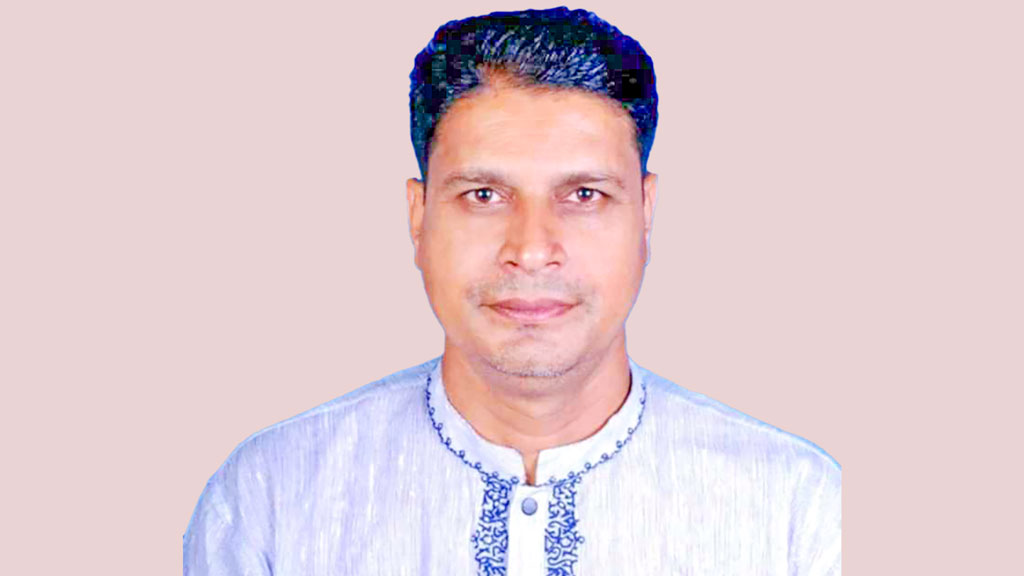
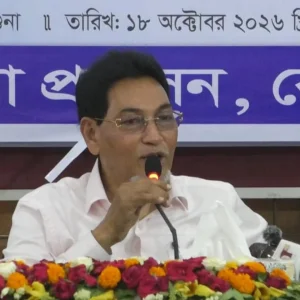
The people's opinion cannot be ignored by invoking the constitution when it comes to implementing the July National Charter and the verdict of the referendum, said Barrister Asaduzzaman Fuad, general secretary of Amar Bangladesh Party (AB Party). He made the remarks at an open discussion organized by the AB Party at the Shafiqul Kabir auditorium of the Dhaka Reporters Unity (DRU) at Segunbagicha in the capital on Sunday afternoon (18 October).
At the discussion, titled 'One Year of the July Charter's Promises and Expectations: A Review,' Barrister Fuad said the reform proposals in the July National Charter — strengthening state institutions, decentralizing power and ensuring people's rights — must be implemented. He also called on the government to take the initiative to implement the charter and the referendum verdict without raising questions about them.
He said the political question has already been settled through the mass uprising. In his words, the political question will not be settled by the constitution, and the student leaders did not carry out the mass uprising after taking permission from parliament.
Barrister Fuad said the people's opinion has been expressed through the signing of the July National Charter and the referendum, and what remains now is to implement it. He also remarked that if the implementation of the people's verdict is called into question by bringing forward constitutional provisions, the very idea of the people's sovereignty will be harmed.
Regarding the government's position, he said the government is talking about the amendment process under Article 142 of the constitution, and questions are also being raised about the legality and process of holding the referendum. But in his view, there is no scope to view the question of implementing the July National Charter and the referendum verdict as confined only to the constitutional process.
Criticizing the failure to implement the reforms, the AB Party general secretary said that strengthening state institutions, decentralizing power and making the Election Commission effective and independent have received importance in the charter. But he alleged that instead of implementing these reforms, the government is keeping the institutions under political influence through various decisions.
He also raised allegations that development allocations are being given to people of the ruling party and that benefits are being distributed on the basis of party identity. He said there are questions over the timing of allocations at the union level and various card distribution programs; the purpose behind taking up these programs before the union parishad elections needs to be clarified. In his view, such initiatives put the goals of decentralization of power and institutional reform into question.
Fuad also raised questions about appointments to the Election Commission. He claimed that a person who led the movement of Secretariat officials and employees during the interim government has been given responsibility in the Election Commission. Calling for an explanation of the reason behind such appointments, he said there needs to be a transparent policy for appointments to keep state institutions neutral and effective.
Raising the issue of the prime minister's visits to various institutions, he said problems will not be solved merely by visiting institutions. The real situation of health and educational institutions must be reviewed and the necessary reforms ensured. He mentioned that strengthening state institutions and preventing the abuse of power are among the fundamental objectives of the July National Charter.
Referring to the government's earlier statements about the cost of the referendum, he said that although questions were raised earlier about the cost of holding a referendum, now the referendum is being talked about again through the process of constitutional amendment.
Presenting the position of the 11-party alliance on implementing the July National Charter, he said they will cooperate if the government starts discussions on the charter's implementation process. However, he opposed terming the charter a 'charter of fraud' and questioning its acceptability on that basis. In his words, on the day the government starts talking about the implementation process, they will be with the government, stand beside it and cooperate together.
Finally, Barrister Fuad said they will go to the people demanding implementation of the July National Charter and the verdict of the referendum, and will try to compel the government through democratic means to accept the verdict of the charter and the referendum. He also expressed the expectation that the state should be built in such a way that the people can live with their rights and state institutions can work independently.