
After a Weekend of Violence, Macron Addresses the Nation: ‘Those Who Destroyed Will Have to Pay the Price’
After a weekend of widespread unrest across France, President Emmanuel Macron addressed the nation on Sunday. He promised that ‘full transparency will be ensured’ in this incident, and said in stern words — ‘Those who have destroyed will have to pay the price; those who have looted will have to pay compensation.’
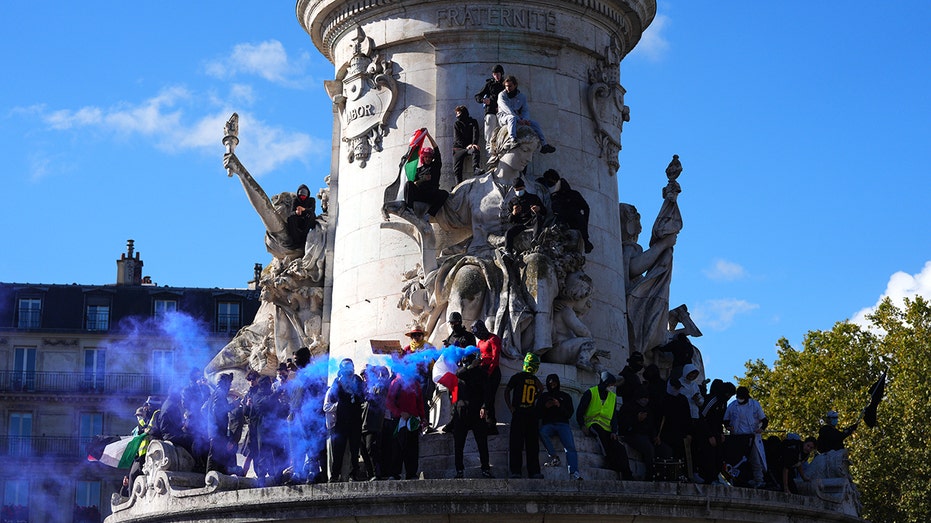
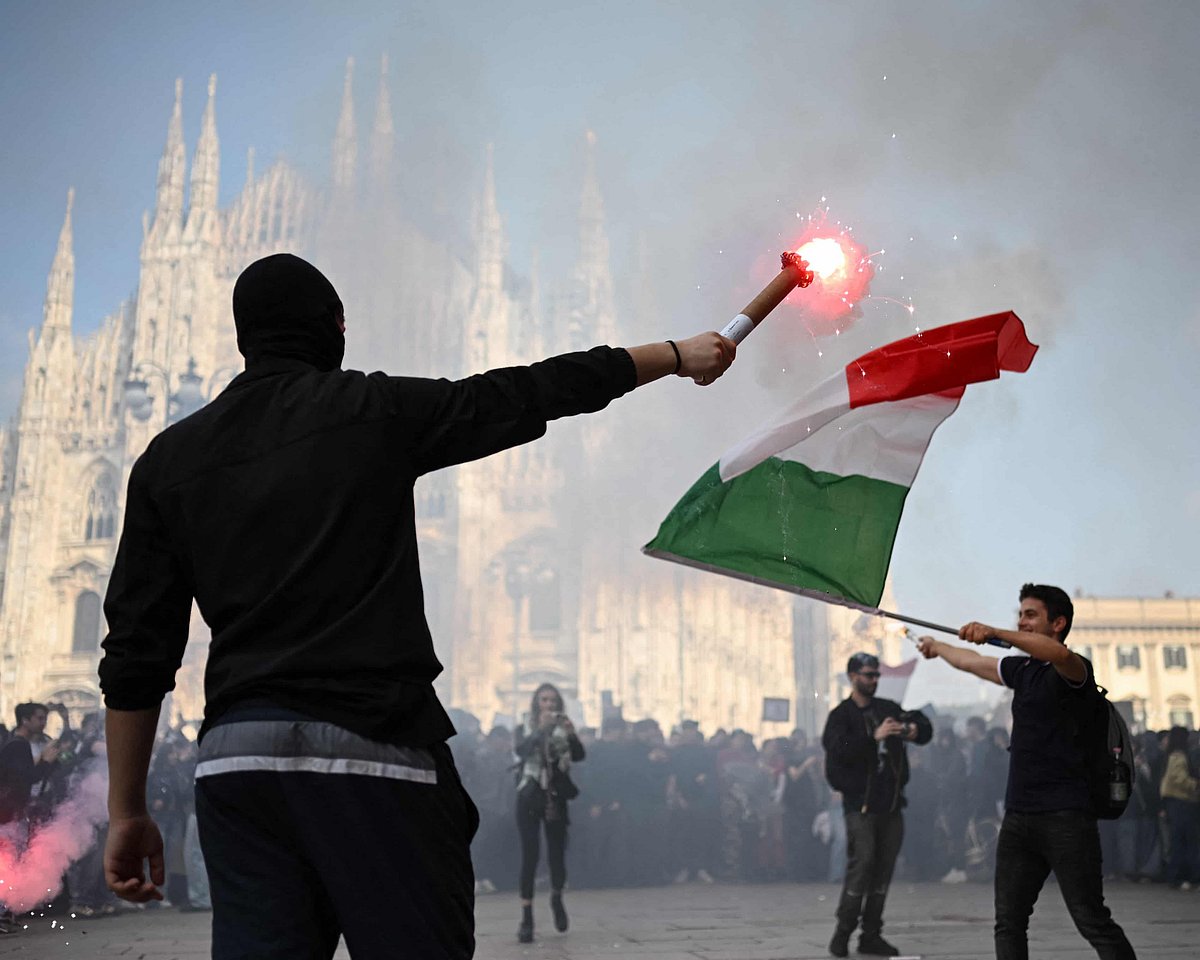
On Saturday, millions of protesters took to the streets across the country. Students joined trade unions and ordinary people in protesting the cost of living. The protests were mostly peaceful, but videos of government buildings being set on fire, shops being looted and clashes with riot police have drawn widespread condemnation in France and abroad.
According to the latest figures from the French Interior Ministry, around 2,000 people have been arrested amid this unrest. Police, firefighters and protesters were injured as the situation went out of control.
Allegations have been raised against the government that it failed to deal with the protests and downplayed the gravity of the situation. Demands for the resignation of Interior Minister Laurent Nuñez have risen from both camps — the left and the far right.
Small business minister Serge Papin will meet company representatives at the finance ministry on Monday regarding assistance for the affected businesses. At that meeting, proposals for assistance for the affected businesses will be made after assessing the extent of the losses.
Macron said he is waiting for ‘clear answers’ on why the protests turned violent. He blamed the violence on ‘troublemakers from fringe far-left groups, who were joined by numerous criminals’, and condemned their ‘unbridled violence’.
With only six months left before next year’s presidential election, Saturday’s events quickly took a political shape. Prime Minister Sébastien Lecornu also blamed the ‘ultra-left’ for inciting the violence; he alleged that the France Unbowed movement and their presidential candidate Jean-Luc Mélenchon played an important role in a ‘far-left network’ that carried out the violence.
Mélenchon, however, joined Saturday’s protests alongside representatives of several left parties and encouraged supporters to take part, although he condemned the looting and violence. According to him, the aim of the allegations blaming him for the violence is to weaken his presidential election prospects, and Macron, without offering any solution to calm public anger, has ‘allowed the situation to deteriorate’.
The picture of the election race is also at the centre of this debate. Mélenchon is currently in a tough contest with centre-left candidate Raphaël Glucksmann and centre-right candidate Édouard Philippe — in the fight to take second place behind far-right frontrunner Marine Le Pen. If no one wins a majority of votes in the first round, the top two candidates will go to a runoff.
Before Macron’s remarks, Philippe warned, ‘At stake is France’s image, credibility and its influence across the world. The consequences of these images of violence spread beyond our borders too.’
On the other hand, Le Pen and her far-right National Rally are wielding the footage of the violence to present herself as the candidate of a ‘peaceful France’. The party has accused Macron and his government of being the ‘party of chaos’ and Mélenchon’s France Unbowed of ‘legitimising violence’. Le Pen said the protesters have ‘legitimate social demands’ and that the French people, stuck between the government’s austerity and heavy tax burden and the rebellious activists, have become ‘fed up’.
The events have also drawn reactions across the Atlantic. Ahead of the 3 November midterm elections, US President Donald Trump blamed immigration for the violence. On Sunday afternoon he wrote on Truth Social, ‘France is burning! Immigration by people from a completely different world, with hatred in their hearts, has torn apart that once-great country.’
Now all eyes are on the government’s next steps — when the ‘clear answers’ Macron wants will come, what assistance is announced for the affected businesses, and whether the government can present any proposal at all to calm public anger over the cost of living — on these depends whether France’s political temperature will fall or rise further before the election.