

UN food agency to cut aid for 500,000 people in Gaza as funding dries up
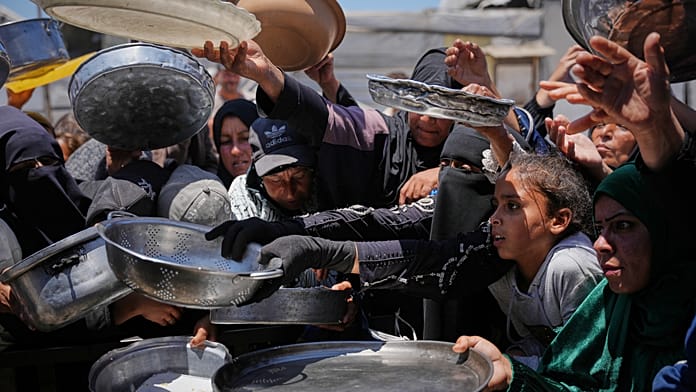
The UN World Food Programme (WFP) says it will have to stop monthly assistance to half a million people in Gaza because of a funding shortfall. The agency announced the decision on Monday.
Even after the cuts, about 1.1 million Palestinians, around half of Gaza's population, will continue to receive food or cash each month.
Since the October 2025 ceasefire, the WFP had been reaching between 1.5 million and 1.8 million people a month. That number is now falling.
Shaun Hughes, the WFP's country director, told AFP in east Jerusalem that the assistance had been a lifeline. Now, instead of sustaining and scaling it up, the agency is having to reduce it.
Hughes said the problem was not humanitarian access to deliver food; the problem was money. The agency can deliver aid, but without funding it cannot maintain previous levels.
Families who keep their support will receive less. Instead of two food parcels, they will now get one, along with a smaller bag of wheat flour.
The 75,000 families who receive cash will see their monthly payments fall from 1,250 shekels to 750 shekels, roughly from $400 to $240.
Hughes said conditions had not improved enough to justify the cuts. People are not safe, airstrikes continue on a daily basis, people continue to be displaced, and almost everybody remains without a permanent home. Humanitarian conditions, he said, are brutal.
According to the latest assessments, 1.4 million people, two-thirds of the population, remain acutely food insecure and need aid to survive. The WFP warns that needs could rise again with the onset of winter.
In August 2025, the UN-backed Integrated Food Security Phase Classification declared famine conditions in Gaza, a finding Israel called a lie. The classification was lifted in December, two months after the US-brokered ceasefire, though Israeli strikes have continued.
The agency's resources have fallen sharply, partly because US President Donald Trump drastically cut contributions to UN agencies. The WFP needs about $450 million over the next six months for Gaza and the West Bank, but has received only around half its usual funding for the Palestinian territories this year. In September, it also halved the number of people it helps in the West Bank to 200,000.
Israel has let more goods into Gaza under the ceasefire but still blocks items it considers to have potential military use, including, according to the UN, prosthetic limbs. Israel also accuses the UN of bias.
Hughes warned that now is not the time to turn away from what is happening in Gaza and Palestine. Without fresh funding, assistance for still more people may have to be reduced.


