Intelligence failure in France before riots, Macron rejects ministers' resignation offers
France's government is facing a major intelligence failure after authorities badly underestimated the scale of nationwide protests that descended into riots. The situation became so serious that several senior ministers offered to resign, and President Emmanuel Macron ordered a review of security arrangements.
According to the Interior Ministry, about 550,000 people joined 110 marches nationwide on Saturday. Intelligence services had expected roughly 200,000 demonstrators. Organizers put the turnout even higher, at about 800,000.
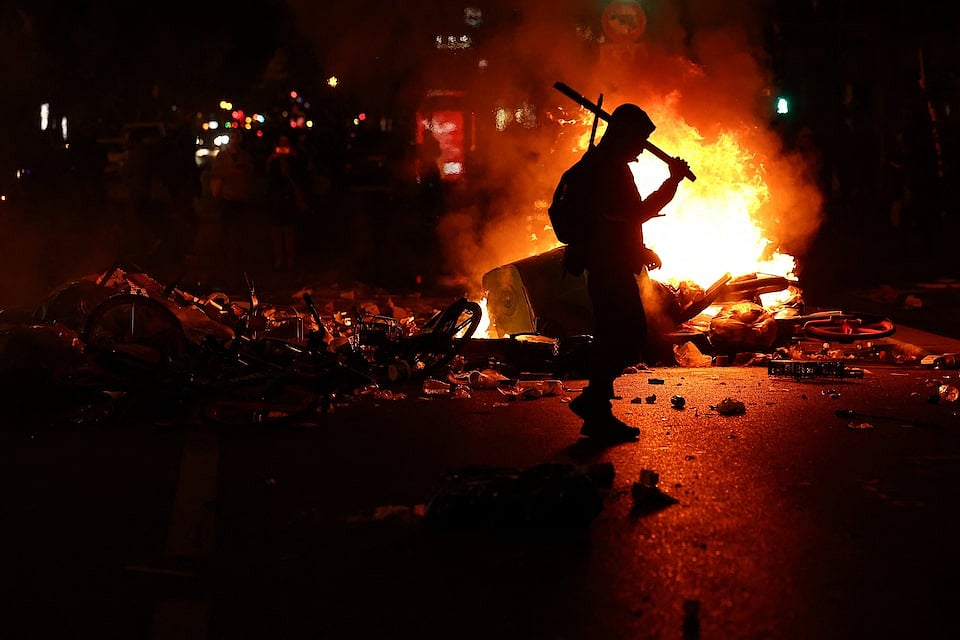
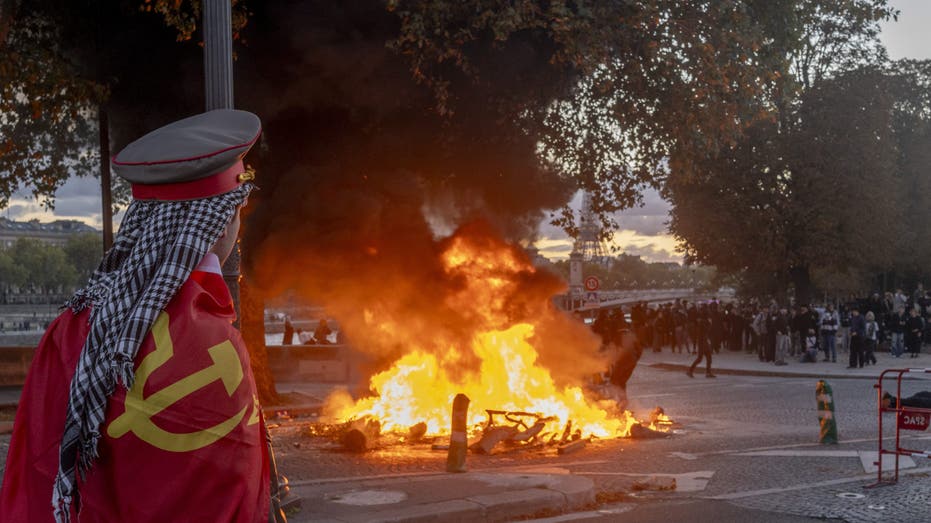
During the protests cars were burned, more than 1,500 stores were ransacked or destroyed and public buildings were attacked in several cities. In Limoges, rioters broke into a 19th-century city hall that had survived both world wars, set it on fire and caused its roof to collapse.
The disruption continued into Monday. The Louvre remained closed as student protesters blocked its entrances, extending the unrest into another day.
About 60,000 police, gendarmes and other security personnel were deployed nationwide, yet they were overwhelmed at multiple flashpoints. Nearly 1,000 law enforcement officers and firefighters were injured, at least 2,400 people were arrested and authorities estimate some 3,000 businesses sustained damage.
On Monday Interior Minister Laurent Nuñez acknowledged that on Saturday, in certain large cities, authorities lost control. He admitted a lack of anticipation, saying officials had underestimated not only the number of protesters but also the violent groups that would exploit the unrest.
Nuñez offered his resignation to Macron. The president refused it and instead ordered a review of what were described as failures in planning and intelligence, demanding an accounting of how authorities were caught so badly off guard.
Justice Minister Gérald Darmanin was even more direct, saying the government had unquestionably failed. He pointed specifically to intelligence and to France's difficulty in tracking and confronting the ultra-left.
The failure is striking because warning signs had been building for weeks. The unrest began in September with high school students protesting teacher shortages, deteriorating school buildings and classroom conditions around Paris. It spread nationwide, drawing teachers, labour unions and other groups frustrated by rising living costs and declining public services.
At an October 1 government crisis meeting, intelligence officials themselves assessed that the movement had reached a tipping point from school blockades toward urban violence, and attributed its origins to the hard-left France Unbowed party and its allies. Yet little more than two weeks later, authorities were still caught off guard by Saturday's scale.
Saturday brought together students, trade unionists, Yellow Vest veterans and other groups in a loose convergence. Hundreds of thousands marched peacefully, while smaller groups of masked rioters broke away, looting stores, setting fires and clashing with police.
The violence has also ignited a separate political fight over immigration. US President Donald Trump on Monday blamed the destruction on France's migration policies. French authorities, however, have not blamed immigrants; they say ultra-left militants and criminals exploited demonstrations rooted in education, living costs and public services.
Marine Le Pen's National Rally has seized on the violence to argue that Macron's government has lost control of the country. Macron cannot seek a third consecutive term in the 2027 presidential election, and immigration, security and purchasing power are becoming voters' major concerns. For the government, the immediate question is concrete: how security services that were already tracking a volatile movement still failed to anticipate Saturday's scale.