Middle East seeks alternatives to Hormuz; the strait’s strategic weight may fade within five years, with effects reaching Bangladesh
Middle Eastern countries are stepping up efforts to build alternative pipelines, ports and transport corridors to reduce dependence on the Strait of Hormuz, one of the most important routes in the international energy trade. The conflict surrounding Iran has given this push new momentum.
If the change is realised, it could affect not only the Gulf region’s economic and strategic calculations but also Asia’s energy markets and Bangladesh’s economy.
HSBC Group chief executive Georges Elhedery forecast at an event in Dubai last Tuesday that if alternative transport systems keep expanding, the strategic importance of the Strait of Hormuz could decline significantly within the next five years. This is a forecast about a possible future scenario, however, not a certain outcome.
According to the US Energy Information Administration (EIA), an average of 20.9 million barrels of oil and petroleum liquids per day passed through Hormuz in the first half of 2025. In the same period, about a quarter of the world’s seaborne oil trade and more than a fifth of liquefied natural gas (LNG) crossed this route. So even if alternatives are built, Hormuz’s importance is unlikely to end overnight.
Much of the oil carried through Hormuz goes to Asian markets — China, India, Japan and South Korea are among the main destinations. The Gulf states’ alternative export infrastructure could therefore change Asia’s energy-security calculations as well as the Middle East’s.
There is no guarantee, however, that new pipelines will bring oil prices down. Production, international demand, war risk, shipping insurance, transport costs and decisions by major exporters also matter in price setting. Big economies may respond with more focus on long-term energy contracts, strategic reserves and diversified supply sources — and Bangladesh is not outside this competition.
For Bangladesh the significance is particularly direct. A large part of the country’s power generation, industry, transport and fertiliser production depends on imported fuel. When oil and gas prices rise internationally, the effects reach generation costs, government subsidies, demand for foreign currency and ultimately ordinary people’s cost of living.
The most direct impact on Bangladesh would be on fuel import costs. Higher international prices for crude and refined oil, LNG and other fuels raise the import bill, increasing demand for dollars, pressure on foreign-exchange reserves and the risk of higher government fuel-subsidy spending.
In May 2026 the World Bank approved an additional $350 million in financing to strengthen Bangladesh’s LNG imports and energy security. According to the World Bank, the Middle East conflict has increased price and supply uncertainty in international energy markets, putting pressure on Bangladesh’s foreign currency and public finances.
Natural gas and imported fuels play an important role in Bangladesh’s power generation and factories. If LNG supply falls or spot-market prices rise, generation costs increase, and gas shortages can disrupt industrial production.
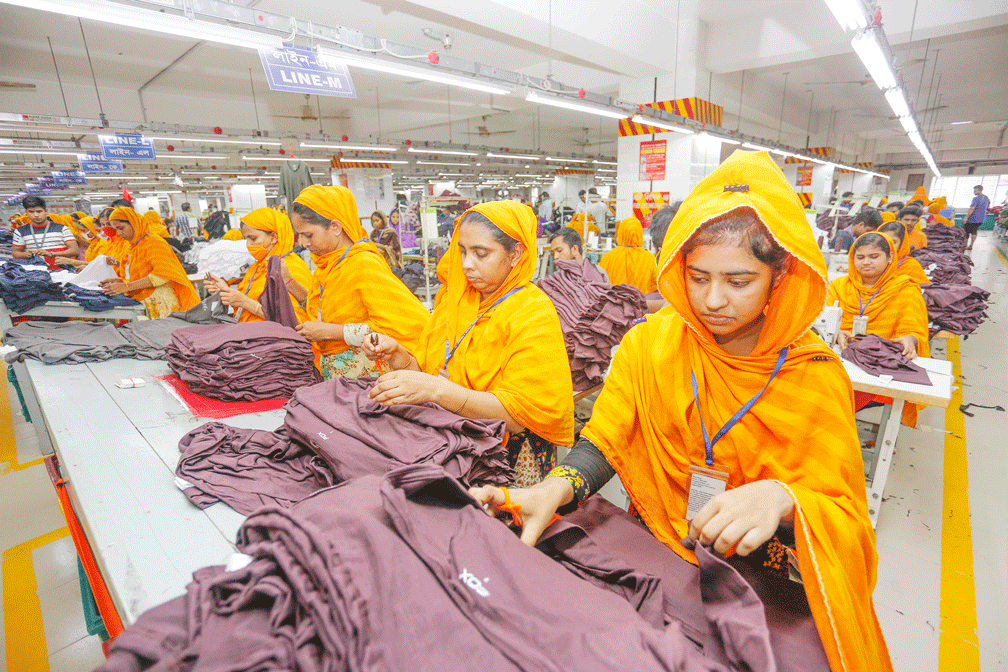
A Reuters report highlighted the impact of gas and power crises on Bangladesh’s garment sector. A survey of 134 knitwear factories cited in the report found 78 percent had been forced to partially halt production and 55 percent said orders had been cancelled or reduced. Stable fuel supply could help protect industrial production and export capacity; prolonged Middle East instability and higher fuel costs, by contrast, could weaken garment exporters’ competitiveness.
Higher fuel prices can also raise costs across transport, agriculture, food production and goods supply. Government can absorb some pressure through price adjustment, subsidies, reserve management and import timing, but importing fuel at high prices for a long time can make public spending and inflation harder to control.
The Middle East is also one of Bangladesh’s most important labour markets and sources of remittances. Gulf states are now increasing investment in transport, industry, tourism and infrastructure, and new trade corridors could create employment in these sectors. A prolonged conflict, on the other hand, risks reduced investment, delayed projects and labour-market uncertainty. Bangladesh Bank’s financial stability report notes that weaker Middle East growth could hurt expatriate Bangladeshis’ jobs and incomes, with effects on remittance flows.
Overall, workable alternative transport systems could somewhat reduce the risk of disruption to fuel supplies from the Middle East. But Bangladesh’s benefit will depend on international prices, contracts with suppliers and actual import sources. Merely being able to ship oil while avoiding Hormuz is no guarantee that Bangladesh’s import costs will fall.