Beaches closed in the Emirates as oil spills from a tanker amid attacks near Hormuz
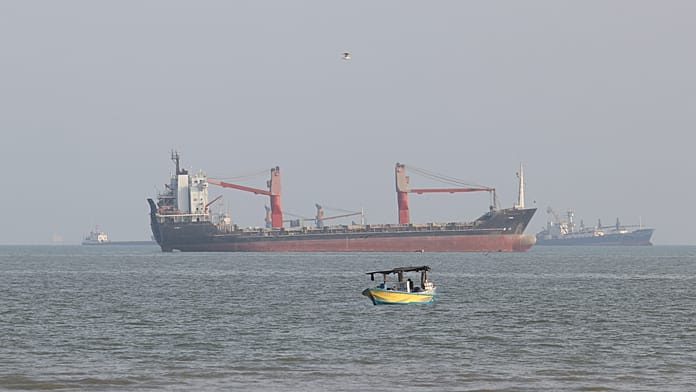
Amid a string of attacks on vessels in Gulf waters during the Iran war, the United Arab Emirates has now reported an oil spill from a tanker. The country said on Friday that oil leaking from a tanker off its coast had affected the beaches of Umm Al Quwain.
The UAE's Ministry of Climate Change and Environment said in a statement that it had 'detected a tanker oil spill affecting Umm Al Quwain's beaches'. Umm Al Quwain is an emirate north of Dubai.
The ministry said teams immediately began containment, cordoning, clean-up and remediation work to limit the environmental impact. The emirate's beaches have in the meantime been closed.
For several days, residents in the country's north had been reporting unusual oil-like smells on social media. Such complaints also came from northern districts of Dubai. The official announcement of the spill has made the likely cause of that smell clearer.
In recent weeks, frequent attacks on ships have been reported near the Strait of Hormuz. Control of the strait remains at the heart of the war between Iran and the United States. It is against this backdrop that the spill has deepened concern over maritime security in the Gulf.
The maritime security agency UKMTO had reported that on 9 October a vessel was hit by a projectile off the UAE coast, causing a fire that was later brought under control.
According to the maritime security company Vanguard, that vessel was the oil tanker GEM NO.2, sailing under the Panamanian flag. Although the statement did not directly link the spill to that attack, the timing has brought the connection into discussion.
Before the war that began with US-Israeli strikes on Iran in late February, roughly one-fifth of the world's oil passed through the Strait of Hormuz. Both Tehran and Washington have implemented blockades in the strait, while Iran has repeatedly targeted cargo vessels using the waterway's southern section.
Earlier this week, Iran's IRGC said in a statement that it targets tankers trying to use what Tehran unilaterally designates as an 'unauthorised' route through the strait's southern section, near the Omani coast.
Under the UN Convention on the Law of the Sea, however, the right of transit passage applies through Hormuz; international maritime law notes that Tehran has no recognised authority to restrict or authorise passage through the strait.
The UAE lies just 40 to 50 nautical miles from the narrowest point of the Strait of Hormuz. Because of that proximity, the shockwaves of every military incident around the strait reach the Emirati coast directly — this time evidenced by closed beaches and spilled oil.
Attention will now be on how quickly the clean-up can restore normality and how safe shipping remains in Gulf waters amid the war. The full picture of the spill's environmental damage will also take time to emerge.