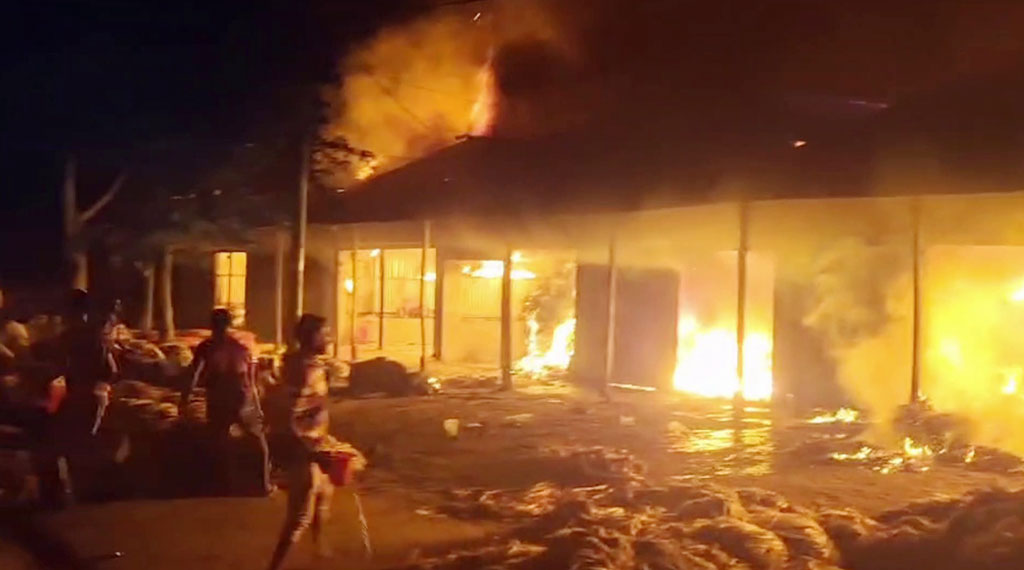
Jamuna fertilizer plant shuts down again over gas shortage, two days after restarting

Urea production at the Jamuna fertilizer plant in Sarishabari, Jamalpur, has been shut down once again because of a gas shortage. The plant authorities stopped production from early Sunday.
Fazlul Haque, head of the Jamuna plant’s production department, said 42 to 43 PSI of gas is needed daily to keep production running uninterrupted. As supply fell short of demand, production was stopped at 5am on Sunday. He said production would resume once gas supply returns to normal. Gas is supplied to the plant by Titas Gas.
The plant, which has a daily production capacity of 1,700 metric tons of urea, had been closed for a long eight months because of the gas crisis. Production restarted after gas was reconnected on September 20 this year.
Production then stopped temporarily on October 7 when a fault developed in the boiler plant. After the mechanical fault was repaired, the plant returned to production on October 23, following a 16-day gap. But just two days after restarting, the gas shortage has shut the Jamuna plant down again.
The plant has a longer history of the same pattern: gas shortages and mechanical faults kept it closed for 23 months from January 2024 to November 2025. Production later restarted as gas pressure rose, but it closed again from February 12 this year because of the gas crisis.
Plant sources said the long shutdowns have caused various mechanical and technical faults at the plant, hampering efforts to achieve its production targets.
The Jamuna plant supplies fertilizer through 1,900 BCIC-listed dealers to 21 districts, including Jamalpur, Sherpur, Mymensingh and Tangail and districts across northern Bangladesh.
When gas supply is normal and the plant is running, it produces about 200 crore taka worth of fertilizer a month, with a profit of about 60 crore taka. When the plant is closed, by contrast, it still has to pay around 6 crore taka in gas bills just to keep the plant operational, apart from other costs.
A prolonged shutdown of production could create a fertilizer shortage at the marginal farmer level and risks disrupting agricultural production.