
One summer of heatwaves killed 50,000 people in Europe and caused €17 billion in economic losses
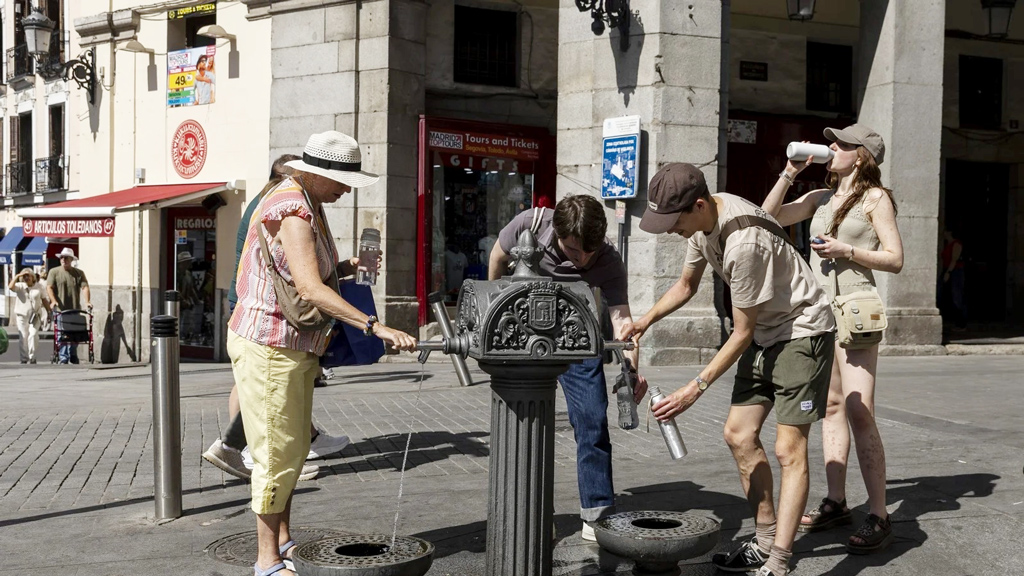
Heatwaves across Europe this summer killed 50,000 people. Over the same period, from April to September, the European Union's gross domestic product fell by about 0.17 percent, a financial amount of roughly €17 billion.
The figures come from two separate studies. Their findings show how much risk rising temperatures pose to Europe. The picture emerged amid a forecast that 2026 will be one of the warmest years in modern history.
One study, published last Friday, set out the toll of heat-related deaths. Led by scientists at Imperial College London, it found that almost two-thirds of deaths linked to high summer temperatures would not have happened without climate change.
A recent Bloomberg Economics study, meanwhile, found that the hit heatwaves dealt to Europe's GDP was two and a half times the average loss over the same period in the past decade.
Successive record-breaking heatwaves pushed the overall death toll far above the most lethal previous years. The study is due to be published this week in the journal Nature Health. It said about 29,000 people died for heat-related reasons in European cities in 2022. In 2003 the figure was about 28,000.
Clair Barnes, a researcher on extreme weather and climate change at Imperial College London and the study's lead author, said in an interview that heatwaves had struck again and again. Even without the extra temperature caused by human-made warming such events would have been dangerous, she said, but warming had raised temperatures further and made the situation truly extremely dangerous.
Extreme temperatures were seen in European countries throughout the summer. A heatwave that began in May continued until September. In many countries previous temperature records were beaten by large margins. In western Europe, average summer temperatures this year were about 3 degrees Celsius higher than the 1991-2020 summer average. On some days the difference was as much as 12 degrees Celsius.
The heat also damaged important infrastructure across the continent. Wildfires burned homes, temperatures inside hospitals rose in the excessive heat, transport systems were disrupted, and the cooling systems of fridges and air conditioners broke down.
Ulrich Eberle, author of the Bloomberg Economics report, said extreme temperatures cut France's GDP by 0.2 percentage points in the second quarter of this year. Germany's economy shrank by 0.1 percent over the same period. The heatwave's effect on Spain's GDP was 0.05 percent.
The joint study by Imperial College London and the London School of Hygiene & Tropical Medicine covered 854 cities in 30 countries: the European Union, the United Kingdom, Switzerland and Norway. The population of those cities is about 40 percent of the total population of the countries concerned.
The study found that the number of heat-related deaths linked to climate change has risen over time, a trend created by gases emitted from burning fossil fuels raising temperatures. In 2003 climate change was responsible for about 40 percent of excess deaths. This summer that share rose to almost two-thirds.
Counting heat-related deaths accurately is difficult, because people do not usually die directly from exposure to heat. Excessive temperature instead puts extra strain on the body and worsens pre-existing conditions. People with heart and respiratory diseases are at particular risk.
At a news briefing on Wednesday, Andrew Hartle, a consultant in intensive care at Imperial College Healthcare NHS Trust, said older patients are often seen becoming confused, having strokes or developing heart problems, and temperature can play an important role behind death in such cases. A post-mortem cannot establish whether someone had been overheated, he added.
Toby Perkins, chair of the UK's environmental audit committee, said the people most at risk, such as older, sick and poor populations, must be protected. Steps must also be taken to stop the infrastructure that helps keep at-risk people safe in extreme heat from collapsing, he said.
There are fears that next year could be even hotter than 2026. On Wednesday the United Nations said exceeding 1.5 degrees Celsius of global warming compared with the pre-industrial era is now almost inevitable.


