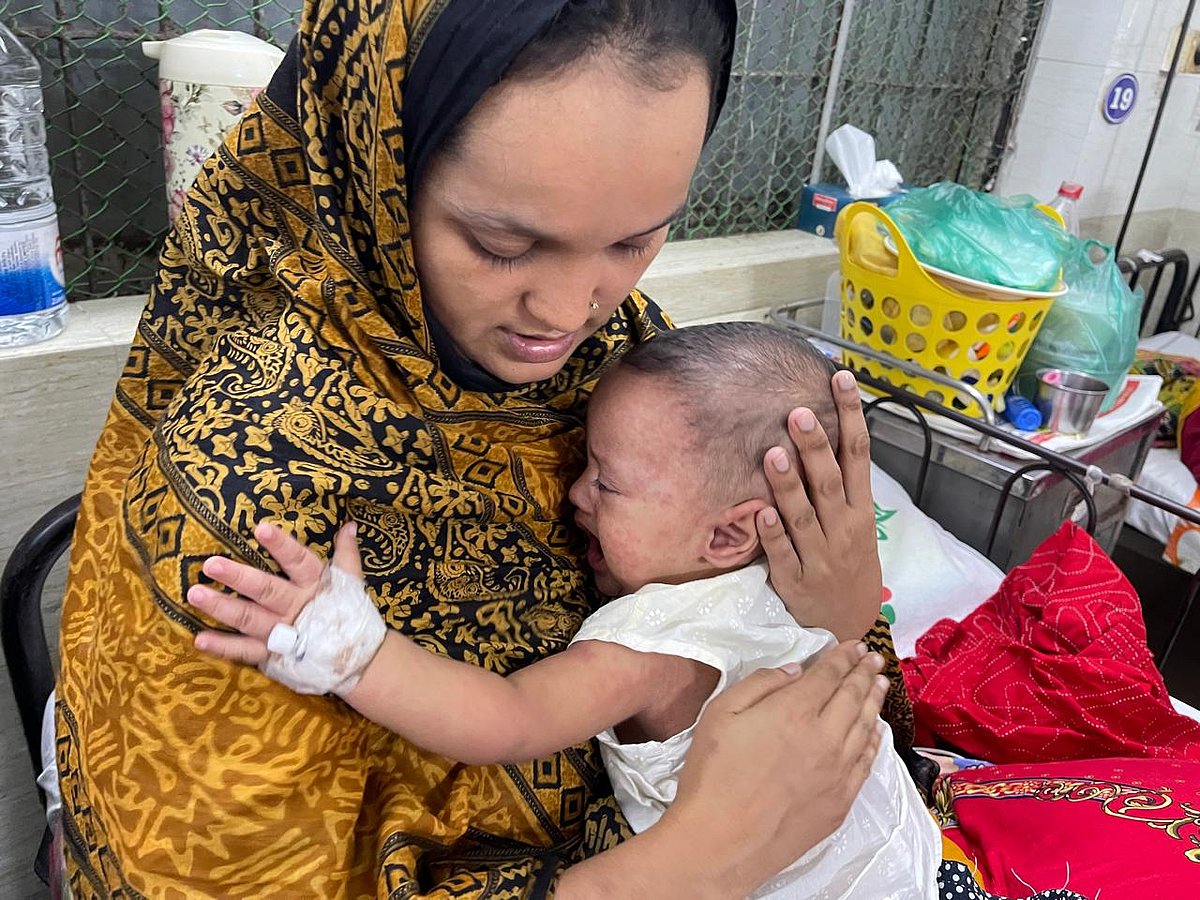
After 1,200 children die of measles, experts warn three more diseases could follow if vaccination gaps are not closed

Bangladesh's severe measles outbreak has exposed weaknesses and manpower shortages in the country's immunisation programme. If those gaps are not filled quickly, whooping cough, diphtheria and vaccine-derived poliovirus could, alongside measles, create a major public health crisis. An independent committee of Bangladeshi and foreign experts has warned of this and recommended urgent action.
According to an AFP report, the committee evaluated Bangladesh's immunisation programme at the beginning of October and submitted its report to the government. It described the current measles outbreak as an important test of the weaknesses of the country's immunisation system and a warning sign for the future.
According to the Directorate General of Health Services, authorities have been working since March to control the measles outbreak in the country. The report said more than 1,200 children have died in this outbreak and 220,000 people have been infected. It has been described as the country's deadliest measles outbreak in decades.
Experts fear that if the gaps in the immunisation programme are not filled quickly, the spread of other preventable infectious diseases may also increase.
On Monday (26 October), the health ministry promised to take action on the matter. Ministry spokesman Zahid Raihan told AFP that vaccinators would be recruited as quickly as possible as an initial step in implementing the recommendations.
With support from the World Health Organization (WHO), the United Nations Children's Fund (UNICEF), the Gavi vaccine alliance and other partner organisations, a 70-member team evaluated Bangladesh's immunisation programme at the start of this month. The evaluation found that only 82 percent of children in the country have received full vaccination, against a national target of 95 percent — 13 percentage points below target.
In addition, about 40 percent of vaccinator posts are vacant. This manpower shortage could become a major obstacle to running regular immunisation activities and bringing children in remote and disadvantaged communities under vaccination coverage.
Bangladesh's immunisation programme has long been regarded internationally as a successful example. Since the programme began in 1979, the country has eliminated polio and neonatal tetanus, and has also achieved notable success in controlling rubella and hepatitis B.
However, concerns have arisen in recent years over continuity in immunisation activities. The report said a planned anti-measles vaccination campaign in 2024 fell behind because of the political change surrounding Sheikh Hasina's ouster, and another campaign in 2025 was also disrupted by strikes and political instability.
Measles is a highly contagious viral disease. It spreads through the coughs and sneezes of an infected person. There is no specific treatment for the disease, but infection can be prevented through vaccination. In severe cases, measles can lead to complications including pneumonia and inflammation of the brain, and the risk of severe illness is higher among young children in particular.
Whooping cough, on the other hand, can cause severe illness and even death in children. Diphtheria can obstruct breathing as well as damage the heart and nervous system. And vaccine-derived poliovirus, if it spreads among populations outside vaccination coverage, can create a risk of paralysis.
To prevent the spread of these diseases, it is essential to keep regular immunisation activities running, identify children who have been missed, and conduct additional vaccination campaigns as needed. Experts have also stressed filling vaccinator vacancies, ensuring vaccine supply, and raising public awareness at the local level.
Authorities have launched a mass vaccination drive across the country to tackle the measles outbreak. But with concern over the infection situation, the need to remove the weaknesses of the regular immunisation system — rather than relying only on emergency programmes — has come to the fore.
According to experts, if the national vaccination target is achieved, the manpower crisis resolved, and all necessary vaccines ensured for children on time, the risk of other preventable diseases alongside measles can also be reduced. Otherwise, despite its long record of success, Bangladesh's public health system could face a major new challenge.