Voting Nears Close in Israel: Turnout Highest in Half a Century as Netanyahu's Future Hangs on the Result
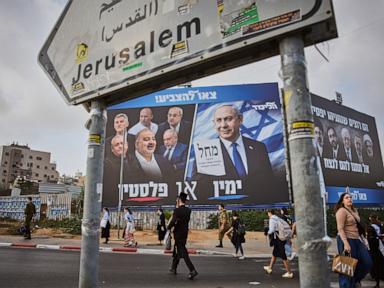
Polling stations opened across Israel on Tuesday morning for a general election shaping up as a tight contest between the parties led by incumbent Prime Minister Benjamin Netanyahu and the opposition camp led by former military chief of staff Gadi Eisenkot.
According to Israel's Central Elections Committee, 66.7 percent of eligible voters had cast a ballot by 6 p.m., up from 57.7 percent by the same time in the 2022 election. Turnout had therefore already exceeded the total turnout of the last election.
The military said turnout among soldiers had climbed beyond 68 percent by 5 p.m., higher than the 65 percent recorded at the same stage in 2022. Observers say overall participation could reach its highest level in around 50 years.
Voting is scheduled to end at 10 p.m. local time, but the Elections Commission says anyone still waiting in line at that time will be allowed to vote. Reports say the Commission rejected a request by Netanyahu's Likud party to extend voting hours beyond 10 p.m.
Exit polls are expected to give an early indication once voting ends, but final results are not expected until Wednesday afternoon. Horse-trading with smaller parties to build a coalition capable of commanding a parliamentary majority is likely to begin immediately afterwards.
President Isaac Herzog will then consult party leaders and offer the chance to form a government to the leader he believes has the best chance of doing so, usually the leader of the largest party. Netanyahu will remain caretaker prime minister while negotiations, which can last several weeks, go on.
It is the first general election in Israel since the Hamas attack on southern Israel on October 7, 2023, in which some 1,200 Israelis were killed. The subsequent war in Gaza has killed at least 74,555 people in the enclave to date, according to the Hamas-run Health Ministry.
It is also the first vote since the joint U.S.-Israeli 12-day war on Iran in 2025 and the ongoing U.S.-Israeli campaign against Tehran launched in February. With Israeli forces embroiled in conflicts on multiple fronts — Gaza, Lebanon, Syria, Iran and the occupied West Bank — foreign policy and security issues are dominating the election.
Both camps spent polling day trying to turn out their supporters. Finance Minister Bezalel Smotrich issued a last-hour appeal to right-wing voters, saying turnout in the Arab sector was unprecedented and warning that a 'dangerous left-wing government' could take power.
Netanyahu himself urged supporters to vote more than five hours after polls opened, saying turnout was high among his opponents and among Palestinian citizens of Israel, who make up about a fifth of the population. 'We need it to be high too. You all need to stream to the polls. This is a fateful moment,' he said.
Prominent politicians from Arab-led lists, meanwhile, accused right-wing figures of incitement against Palestinian citizens and of questioning their legitimacy to vote.
Pollster Mitchell Barak, a former aide to Netanyahu, told Al Jazeera that turnout was 'really high and that's good,' adding that it would probably pass its historic peak in 1973, when Israel was also involved in a huge war.
Netanyahu is the longest-serving prime minister in Israel's history. First elected in 1996, he held the office for 12 consecutive years between 2009 and 2021 and returned to power in 2022 despite facing charges of bribery, fraud and breach of trust. He leads the right-wing Likud party, which heads the governing coalition.
A party needs at least 3.25 percent of the vote to win seats in the Knesset, Israel's parliament, and analysts note that higher turnout dramatically increases the number of votes needed to clear that threshold.